Sourcing & Wholesale
Levantine food supplier in Canada: who to buy from, and how to judge them
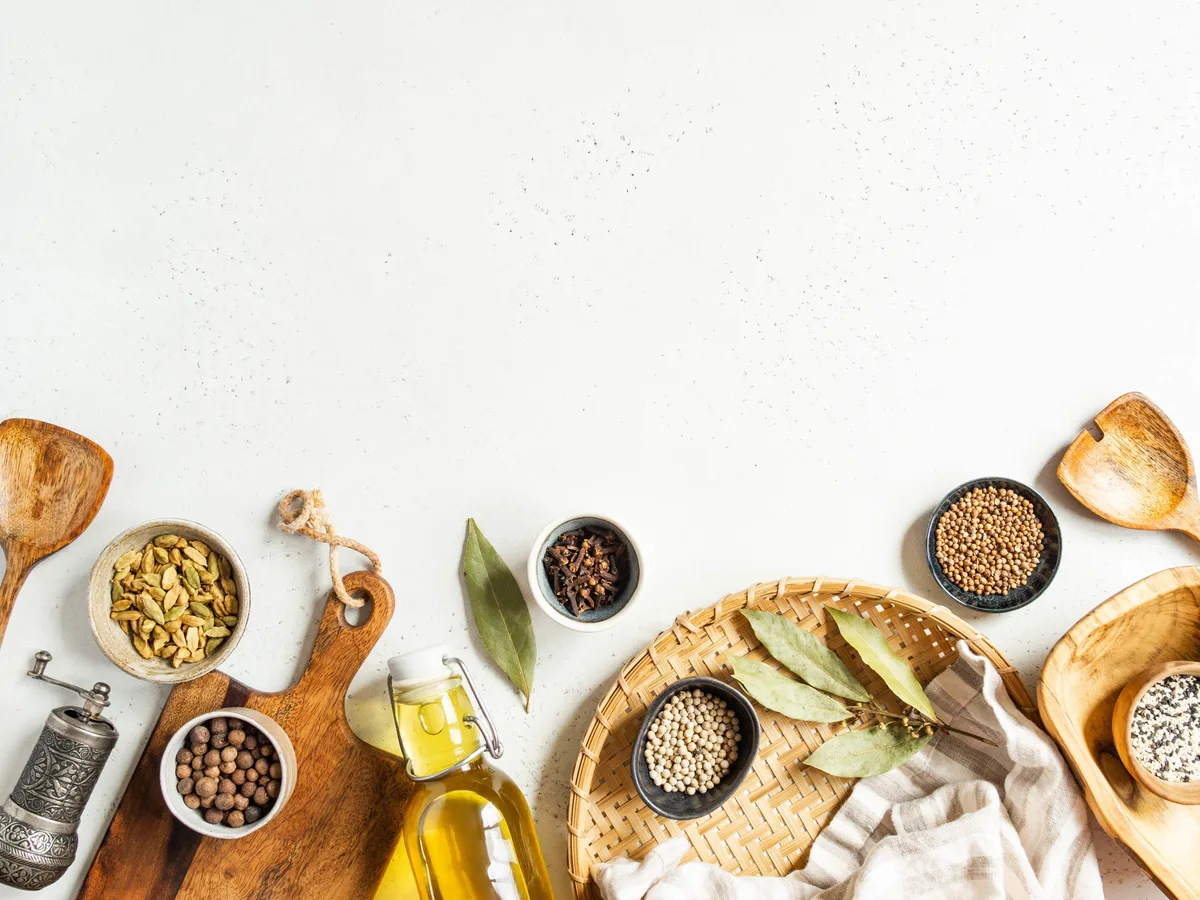
Judge a Levantine food supplier in Canada by whether they can tell you, in writing, who made each product, where it was made, and what the case format is. Levant Direct is built on that standard: an import catalogue of Levantine pantry goods from ten named supplier houses across Jordan, Syria, Türkiye and Egypt, with no list prices — you send an inquiry list and receive one written quotation, typically within a business day.
This guide explains what separates a genuine Levantine supplier from a general importer carrying a few Middle Eastern SKUs, introduces the supplier houses behind our catalogue, and walks through how quote-based wholesale ordering works for restaurants, grocers and cafés — delivered across the GTA, quoted across Canada.
A Levantine supplier names producers, not just brands
The fastest filter is the producer's name. A general importer lists za'atar as a line item; a Levantine supplier tells you it is Green Jordanian Thyme milled by AbdulRahim Mills, a Jordanian house of Palestinian heritage, and can put that provenance on paper. Your Levantine customers read shelves exactly this way — the family name on a soap stamp or a halawa tub is the first thing they check.
Provenance is not sentiment; it is the product. A Damascus-recipe halawa, an Aleppo-tradition laurel soap and a Gaziantep pomegranate sauce are each the work of a specific place and craft, and the producer's name is your working guarantee that the tradition is actually in the jar. When a supplier cannot name the house behind a product, what you are really buying is a label.
The ten supplier houses behind the catalogue
Our range comes from ten houses, each listed openly so you can see who makes what before you inquire. Between them they cover the working Levantine pantry: spices and herbs, sweets and bakery, olives and preserves, soap and traditional personal care.
| Supplier house | Origin | What they bring |
|---|---|---|
| AbdulRahim Mills | Jordan — Palestinian heritage | Spices, za'atar-style blends, dried herbs, sumac |
| Ibrahim Srour Est. | Jordan — Damascus tradition | Pistachio halawa |
| Hamdan for Foods | Jordan — Damascus origin | Maamoul, barazek, ghraybeh, breadsticks |
| Zer Group | Türkiye — Gaziantep | Olives, pomegranate sauce, tomato paste, dessert creams |
| Lio Food | Syria — Latakia | Olive oil, green olives, cardamom coffee, capers, truffles |
| Noon Foods | Jordan — Amman | Baking powders, dessert mixes, instant soups |
| Nader Barakat & Sons | Türkiye — Aleppo tradition | Laurel (ghar) soap |
| El Captain | Egypt — Cairo | Natural and herbal oils, traditional personal care |
The evaluation checklist buyers actually use
Whoever you buy from, the same six checks apply. They take one email to run, and they separate suppliers who import a tradition from suppliers who import a container.
- Producer named on every listing — a house, not a brand shell.
- Origin stated — country and, ideally, the tradition: Damascus halawa, Aleppo soap, Gaziantep olives.
- Case formats published before you ask — pack size and units per carton, so you can plan shelf and storage.
- One written quotation covering every line you asked about, so items can be compared side by side.
- Sourcing flexibility — can they bring in adjacent products on request through their houses, or is the list the list?
- Clear delivery terms for your area, confirmed on the quotation rather than promised verbally.
How quote-based ordering works, start to finish
The mechanics are simpler than they sound: browse the catalogue, add what interests you to an inquiry list with quantities, and send it once. One written quotation comes back — typically within a business day — covering every line. Nothing is committed by asking, which is why experienced buyers send their whole wish list and use the quotation itself as the comparison document. The full mechanics are covered in how inquiry ordering works.
First orders do not need to be brave: start with the two or three categories your customers judge you on, keep the rest of the quotation as your reorder shortlist, and let delivery cadence build from there. Because everything in the catalogue is shelf-stable, a conservative first order carries no waste risk while you learn what moves.
Buying from a Canadian supplier also keeps you out of the import paperwork. Businesses that import food themselves need a Safe Food for Canadians licence and a preventive control plan before goods reach the border; businesses buying from a licensed importer or distributor do not import at all — the importer holds the licence. That is general guidance, not legal advice: confirm your own situation with the Canadian Food Inspection Agency.
Who buys this way — and where
Restaurants building a menu, grocers building a shelf, cafés building a counter and gift retailers building a soap display all order the same way: by the case, on a quotation. Shelf-stable goods — spices, Aleppo soap, sweets, preserves — make the model work for small operations too, because a single case lasts weeks without refrigeration.
The demand is not speculative. In the 2021 Census, 163,405 people in the Toronto CMA reported being able to converse in Arabic (Statistics Canada, 2021 Census) — a customer base that knows these products by producer and by region. We deliver across the GTA — Toronto, Mississauga, Brampton, Scarborough, Vaughan, Markham and beyond — and quote shelf-stable goods for buyers elsewhere in Canada. For a wider view of the channels, see our guide to buying Middle Eastern food wholesale in Toronto.
Related questions
Is there a minimum order when buying from a Levantine food supplier?
Minimums vary by supplier and product; the case is the working unit. With a quote-based catalogue you state the quantities you want and the quotation reflects them — asking costs nothing and commits you to nothing.
Can a supplier source Levantine products that are not in the catalogue?
Often, yes. Products we do not list — dates, freekeh, floral waters and similar pantry lines — can be sourced on request through our supplier houses. Add the request to your inquiry and it is answered in the same quotation.
Do I need an import licence to buy from a Canadian Levantine supplier?
No — businesses buying from a licensed Canadian importer or distributor are not importing; the importer holds the Safe Food for Canadians licence. Businesses importing directly themselves do need one. General guidance only — confirm with the CFIA.