Sourcing & Wholesale
How to evaluate a wholesale food supplier: a working checklist
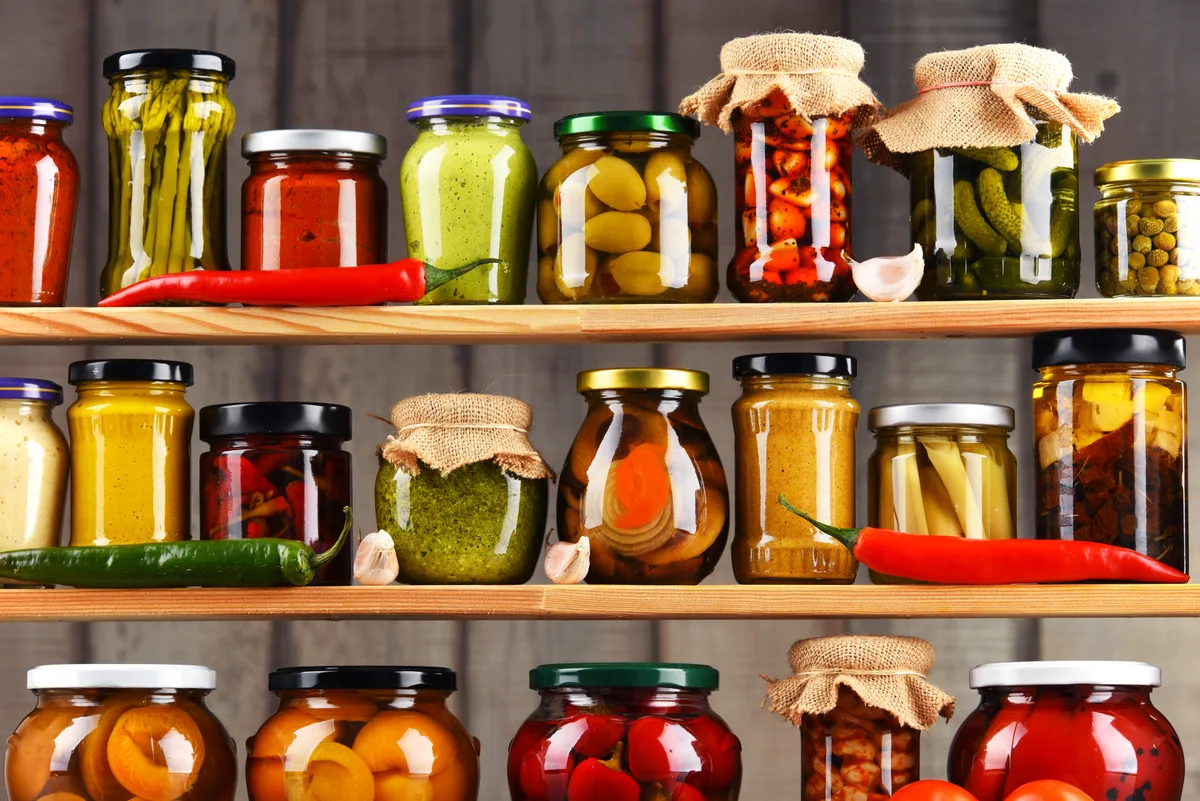
Evaluate a wholesale food supplier on five axes: range transparency (can you see everything they sell?), origin honesty (is the producer named?), quoting clarity (are quotes written, itemized and comparable?), regulatory footing (licences, allergens, traceability), and logistics fit (delivery, lead times, minimums). A supplier can charm you on the phone and still fail three of the five — a written checklist keeps the evaluation honest.
We sit on the supplier side of this conversation at Levant Direct, so this is the checklist we expect serious buyers to use on us — and on everyone else quoting for the same shelf.
Range transparency: can you see what they sell?
A supplier who publishes the full range, with pack formats and producers named, is making a verifiable promise; a rep's list that changes with every phone call is not. A published catalogue lets you plan a shelf or a menu before you ever ask for numbers, and it means the quotation you eventually get maps onto something you can point at.
In the Levantine category specifically, the three channels — cash and carry, specialist distributor, quote-based import catalogue — differ most on exactly this axis; our guide to buying Middle Eastern food wholesale in Toronto compares them in detail.
Origin honesty: who made this, and where?
The producer's name is the fastest single test of a supplier. 'Imported' is not an origin, and a brand shell is not a producer. In our catalogue the house is on every listing — a bar of laurel soap names Nader Barakat & Sons, a bag of sumac names AbdulRahim Mills — and that is the standard to hold any supplier to, including us. Ask for producer and country in writing; honest suppliers answer quickly, and the ones who stall have told you something useful.
Quoting clarity: written, itemized, comparable
Quote-gated pricing is the norm in wholesale food, so the test is not whether a supplier publishes numbers — it's whether the quotation, when it comes, is itemized line by line so you can compare it against your current costs and against other quotes. A single blended figure for a mixed order is a red flag; you cannot manage what you cannot decompose.
Two answer pages cover the practical side: how to compare supplier quotes like-for-like, and what information speeds up a quote — pack sizes, case counts, delivery point and frequency. The faster you can be quoted accurately, the better organized the supplier usually is.
Regulatory footing: licences, allergens, recalls
Anyone importing food into Canada needs a Safe Food for Canadians licence before the shipment reaches the border, with a preventive control plan and traceability behind it — the CFIA's importing-food guidance sets this out — and a buyer purchasing from a licensed Canadian importer does not import: the importer holds the licence. Ask a prospective supplier plainly whether they are the importer of record for what they sell. This is general guidance, not legal advice; confirm specifics with the CFIA.
Two more questions belong on the same page of your notebook. First, allergens: sesame is a priority allergen in Canada (Food Allergy Canada), and Levantine pantries are full of it — can the supplier provide allergen information per product? Second, recalls: if a lot were recalled tomorrow, could they trace which deliveries carried it? Our post on importing Middle Eastern food into Canada covers the framework in plain language.
Logistics fit: the unglamorous decider
The best products from the worst-fitting logistics still fail you on a Friday night. Confirm delivery area and schedule, typical lead times, how case and pallet logic works — mixed pallet vs full case — and whether samples are available before a first commitment. None of this is glamorous; all of it decides whether the relationship survives month three.
The checklist, in ten questions
Send the same ten questions to every candidate and file the answers side by side. The comparison writes itself.
- Can I see your full range, with pack formats and producers named?
- Who made this product, and in which country?
- Are quotations written and itemized line by line?
- What information do you need from me to quote quickly?
- Are you the importer of record for these goods?
- Can you provide allergen information per product?
- Could you trace a lot through your deliveries if it were recalled?
- What are your delivery areas, schedules and lead times?
- How do minimums, cases and mixed pallets work?
- Can I get samples before committing to cases?
Related questions
How many suppliers should a restaurant keep?
Most kitchens run four or five lanes — broadline, produce, meat, bread, and a specialist for identity products — with one supplier per lane and a fallback noted for the two lanes that would hurt most if they failed.
What documents can I reasonably ask a supplier for?
Confirmation of licensing status, product specifications, allergen information, and origin in writing. For certifications such as halal, confirm with the certifier per product rather than accepting a blanket claim.
What's the biggest red flag?
A supplier who cannot or will not name the producer and origin of a product in writing. Everything else — slow quotes, clumsy logistics — is fixable; opacity about what the product actually is, is not.
Should I always ask for samples?
For identity products your customers will judge you on — yes, before the first order. For commodity staples, a first small case order often serves as the sample.