For Grocers & Retailers
Levantine fine foods for specialty retail: truffles, capers and olive oil
A specialty or gourmet grocer's fine-foods shelf lives on small-format, high-interest glass jars with a story behind them — the kind of product that earns a facing next to imported Italian and French goods rather than getting lost in a general international aisle. Levant Direct supplies three lines built for exactly that shelf: whole desert truffles, capers and premium virgin olive oil, all from Lio Food's Latakia operation on Syria's coast.
This guide covers what makes each of those three worth a facing, how to merchandise them alongside the rest of a fine-foods section, and how to build a small specialty inquiry without committing to a full pantry order.
Desert truffles: an ingredient most shelves don't carry
Whole truffles, packed in 635 g glass jars (case of 12), are a genuine point of difference for a specialty grocer — desert truffles (kamah/terfas) are a long-standing Levantine and Gulf delicacy, harvested seasonally and prized in a way that's simply unfamiliar to most mainstream Canadian shoppers. That unfamiliarity is the retail opportunity: a customer who already knows European black or white truffles is a natural audience for a Levantine variety they haven't encountered, especially framed with the origin story on the shelf card rather than left to guess.
Because it's a preserved, shelf-stable jar rather than a fresh or frozen product, it sits comfortably in a specialty section without refrigeration logistics — see our capers and desert truffles guide for more on how the product is used in the kitchen.
Capers and olive oil: the everyday-premium anchors
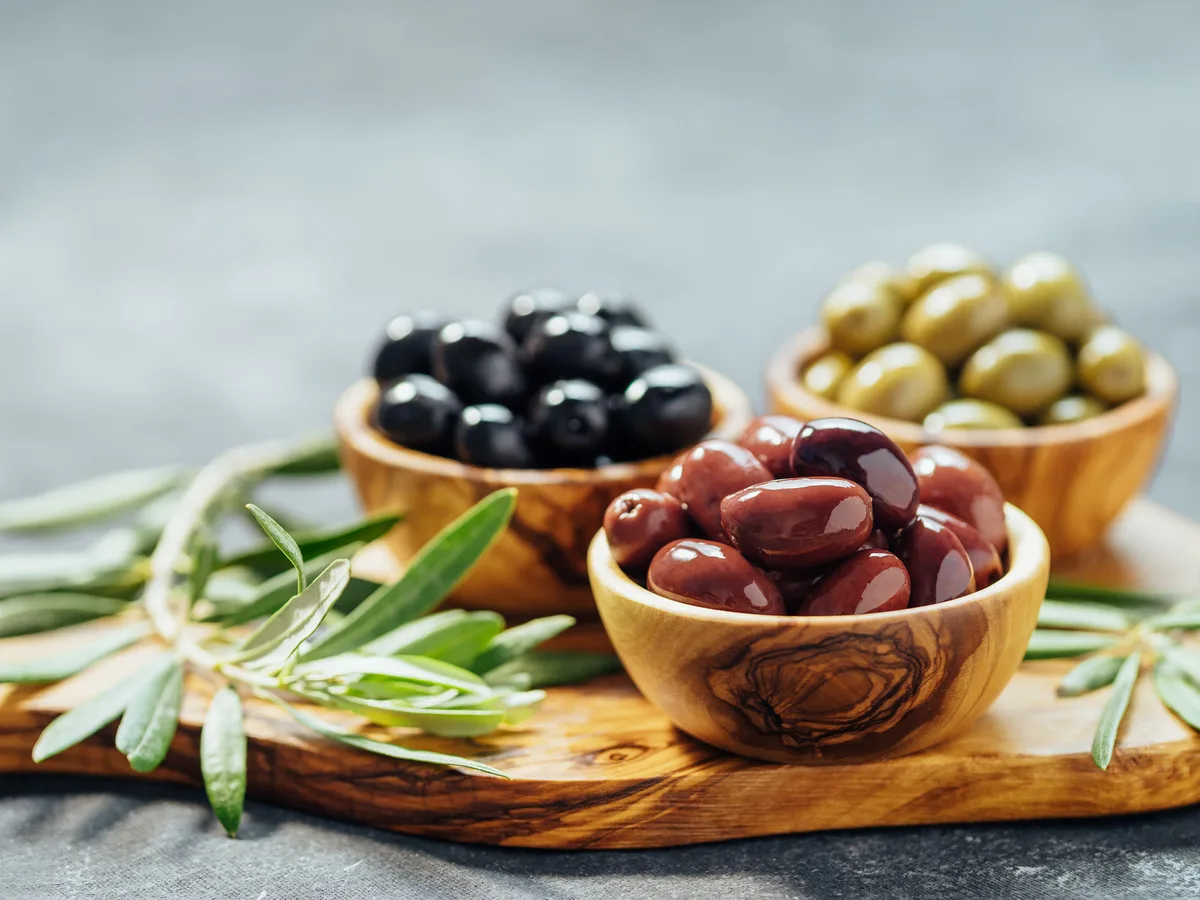
Capers, in 300 g glass jars (case of 12), and premium virgin olive oil, in 250 ml glass (case of 12), are the more familiar half of a fine-foods shelf — products customers already buy, but where origin and format become the differentiator. A small-format, Syrian-coast-origin olive oil bottle reads differently on a specialty shelf than a generic supermarket tin, and pairs naturally with the truffles and capers as a three-piece "Levantine coast" facing.
All three share a supplier, which matters for a retailer building a coherent shelf story: Lio Food operates out of Latakia, and naming that on shelf cards or a small placard does real work for a specialty audience that reads labels closely. See Levantine olive oil: coast, harvest and character for the detail behind the oil specifically.
Merchandising a small-format fine-foods facing
Specialty shelves reward small, deliberate facings over deep stock of any one item — a customer browsing a fine-foods section is usually buying one or two jars at a time, exploring rather than stocking a pantry. Grouping the truffles, capers and olive oil together as a single "from the Levant" section, rather than scattering them across an international aisle by generic category, keeps the story intact and makes repeat browsing easy.
Pairing suggestions on the shelf card do real work here too: truffles with a soft cheese or in a simple egg dish, capers in a caper-butter sauce or scattered over smoked fish, olive oil finishing a cheese board — see selling Levantine preserves: the cheese-pairing shelf for a fuller pairing framework that extends across our canned-preserves category.
Naming the producer is part of the sell
Specialty grocery customers read labels differently than a mainstream shopper — they're looking for the producer's name, the region, the harvest or processing method, not just the product category. Lio Food operates from Latakia on Syria's coast, and that specificity is exactly the kind of detail a specialty shelf card should carry rather than bury. "Olive oil" on its own competes with a hundred other bottles; "premium virgin olive oil from Syria's Latakia coast" gives a browsing customer a reason to stop.
This is also why we name the supplier on every product in our own catalogue rather than listing generic descriptions — a specialty retailer building a shelf story from our range has the actual origin information to work with, not a guess.
Starting a specialty inquiry without overcommitting
A specialty buyer doesn't need to commit to deep stock across the whole catalogue to trial this corner of it. Sending an inquiry for a case each of truffles, capers and olive oil is a reasonable first order — enough to test sell-through on a new facing without tying up shelf capital on an unproven line. If it performs, scaling the reorder is simply a matter of adjusting the quantities on the next inquiry.
It's also worth pairing this inquiry with anything else on your specialty wish list, even from a different category — Aleppo soap, natural oils, or shelf-stable sweets for a gift section — since a mixed inquiry across categories tends to quote and deliver more efficiently than several small single-line orders spread over separate weeks.
Related questions
What are desert truffles and why haven't I seen them at retail before?
Desert truffles (kamah/terfas) are a long-standing Levantine and Gulf delicacy, seasonally harvested and different from the European black or white truffle most Canadian shoppers know. They're a genuine point of difference for a specialty shelf precisely because they're unfamiliar.
Do the truffles, capers and olive oil need refrigeration?
No — all three ship and store as shelf-stable glass-jar products, which keeps them simple to merchandise on a dry specialty shelf without cold-chain logistics.
Can I order a small trial quantity of these three lines before committing to a bigger inquiry?
Yes — send the case quantities you want to trial in your inquiry and the quotation reflects exactly that. Many specialty retailers start with a small mixed order to test how a line performs before reordering.