Sourcing & Wholesale
Sesame seeds wholesale in Canada: four grades and how to order them
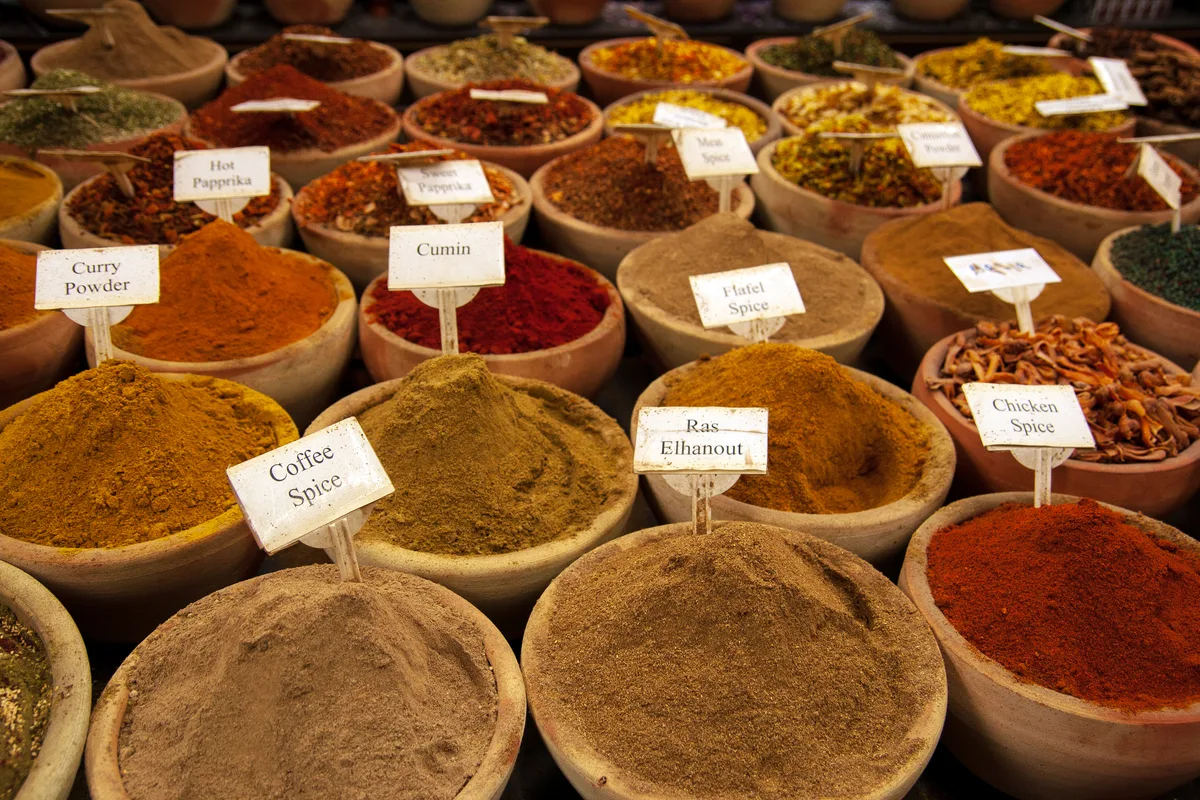
Buying sesame seeds wholesale in Canada comes down to matching the grade to the job and ordering by the case from a supplier who names where the seed is milled. Levant Direct carries four AbdulRahim Mills grades — raw, hulled, roasted and golden sesame — quoted by the case on a written quotation rather than listed at a fixed price.
This guide runs through what separates the four grades, why origin is worth asking about when you compare suppliers, and the one regulatory fact every buyer handling sesame in Canada needs on file: it's a priority allergen.
Four sesame grades, and what each is for
Sesame seed isn't a single wholesale product — the four grades we stock cover distinct jobs in a kitchen or bakery, and getting the grade right matters more than most buyers expect before their first order. For how sesame runs through the rest of the pantry beyond raw seed — breadsticks, halawa — see our broader sesame guide.
| Grade | What it is | Typical use |
|---|---|---|
| Raw sesame | Whole seed, unroasted, hull intact | Toasting to order for the freshest aroma, baking, garnish |
| Hulled sesame | Whole seed with the outer hull removed | Lighter colour and finer texture; tahini-style grinding |
| Roasted sesame | Pre-roasted whole seed | Ready-to-use topping and garnish, no toasting step needed |
| Golden sesame | Whole seed, golden grade | Bread and pastry topping where appearance matters |
Why sesame origin is worth asking your supplier about
Origin is one of the clearer quality signals in the sesame trade, even though it rarely shows up on a spec sheet unless you ask. Ethiopia's Humera sesame is widely regarded in the trade as the premium seed for tahini-grade production, with Sudan recognized as another major source (Saveur, "The Best Sesame for Tahini Comes From Ethiopia") — it's a reasonable question to put to any sesame supplier, alongside whether the seed you're buying is raw, hulled or roasted.
Ask your supplier directly rather than assuming from the bag: origin, harvest year and processing method (raw versus roasted) all affect how a batch performs once it's in your kitchen or on your shelf.
Ordering sesame seed by the case
Sesame is a shelf-stable, case-based product, and the ordering mechanics follow the same pattern as the rest of our catalogue: build your quantities into an inquiry, send it once, and a written quotation comes back — how inquiry ordering works covers the mechanics in full.
Most buyers order more than one grade at once — raw for toasting fresh and roasted for a ready garnish, for instance — and mixed inquiries across grades, or alongside other spices, quote and deliver as a single order rather than several small ones. For finished sesame products rather than raw seed, our Sesame Breadsticks from Hamdan are a Damascus-style ka'ak baked with the seed worked into the dough. If your use is primarily bakery topping, our companion guide on sesame seeds for bakeries goes deeper on grade selection and oven behaviour.
Storing sesame at wholesale volume
Sesame's oil content makes it more prone to rancidity than a drier spice once a bag sits open under warmth or light, which matters more at wholesale volume simply because a case takes longer to work through than a small retail bag. A cool, dark, airtight bulk store away from ovens, direct sun and other heat sources protects flavour and shelf life across all four grades.
First-in-first-out rotation is worth building into a sesame program from the first order, particularly if you're stocking more than one grade at once — our answer on FIFO for a shelf-stable pantry covers the habit in general, and it applies directly to a multi-grade sesame stock.
Sesame as a Canadian priority allergen
Sesame is one of Canada's priority food allergens (Food Allergy Canada, "Sesame"), which matters the moment sesame enters a shared kitchen or packing line. Any product you repack or private-label with sesame in it needs clear allergen labelling, and a kitchen handling both sesame and sesame-free lines needs cross-contact controls — physical separation in storage, dedicated tools or scheduling where equipment is shared, and an allergen list that names sesame explicitly rather than folding it into a generic note.
This is general guidance rather than a compliance checklist for your specific operation — confirm your labelling and handling obligations with the CFIA or your regulator before finalizing a program that touches sesame at volume.
Related questions
What's the difference between raw, hulled, roasted and golden sesame?
Raw sesame is whole and unroasted, best toasted fresh in-house. Hulled sesame has the outer hull removed for a lighter colour and finer grind. Roasted sesame is pre-toasted and ready to use as a garnish. Golden sesame is a whole-seed grade suited to bread and pastry topping where appearance matters.
Is sesame a regulated allergen in Canada?
Yes — sesame is a Canadian priority allergen. Products containing it need clear allergen labelling, and a shared kitchen needs cross-contact controls. This is general guidance; confirm your specific obligations with the CFIA or Food Allergy Canada.
Can I order more than one sesame grade in a single inquiry?
Yes — most buyers do. Add the grades and quantities you need to one inquiry and the quotation covers every line together, which also simplifies delivery.
Does sesame origin actually affect quality?
It's regarded as a meaningful quality signal in the trade — Ethiopia's Humera sesame, for example, is widely considered the premium seed for tahini-grade production. Ask your supplier about origin as part of comparing quotes.