For Restaurants & Cafés
Sliced black olives for foodservice: formats, use and ordering
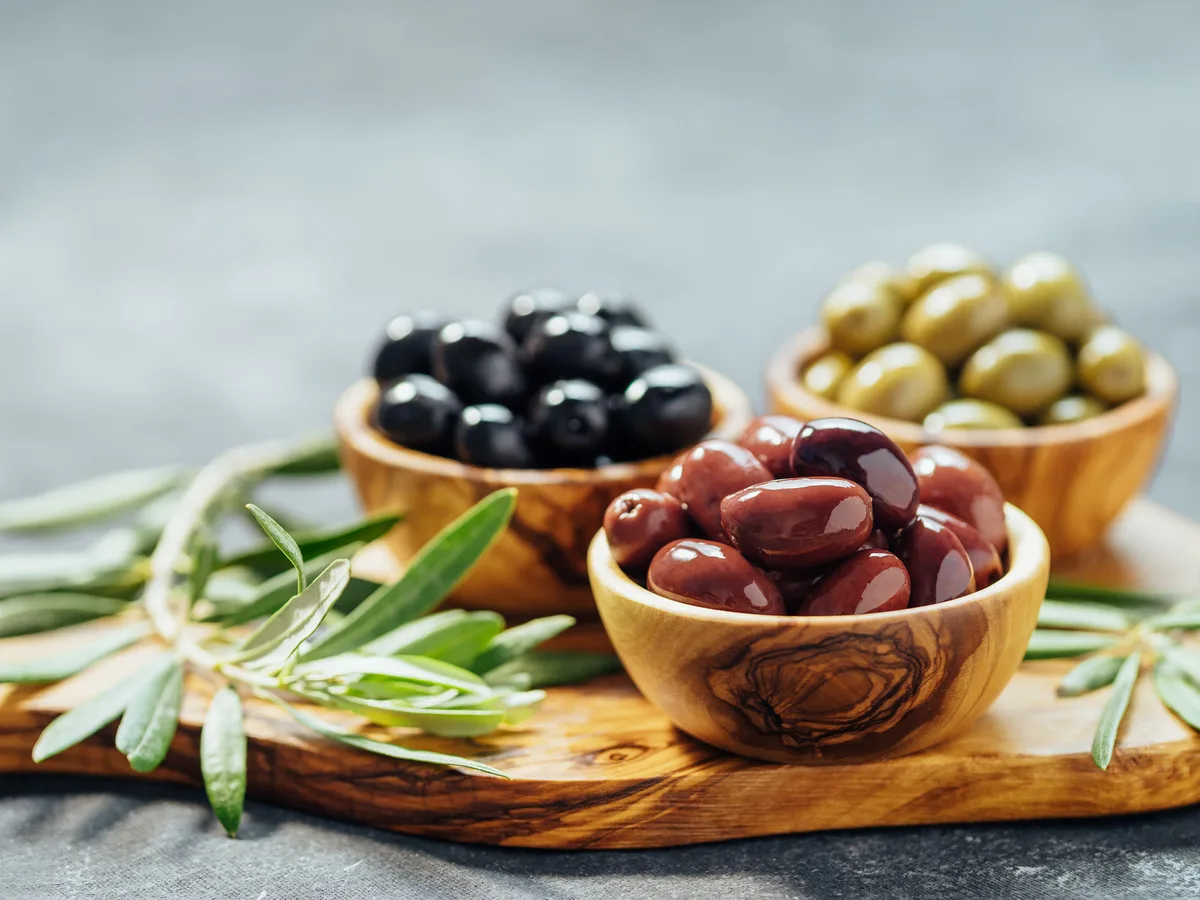
Sliced black olives are a foodservice staple precisely because they remove a prep step: no pitting, no slicing station, no knife time between a sealed case and a pizza line, salad bar or sandwich station. We carry Zer Sliced Black Olives from Zer Group in Gaziantep, in a 370 cc glass jar (case of 12), a half-size tin (case of 24) and a full-size tin (case of 12), quoted by inquiry with a written quotation typically inside a business day.
This guide covers which format fits which kitchen, how sliced olives compare to whole for a working line, and the handling habits that keep an opened container serving well through a full shift.
Why sliced olives earn their place on a working line
Whole olives look better on a mezze plate; sliced olives move faster on a line that's plating dozens or hundreds of orders a shift. A pizza station scattering olives across a base, a salad bar topping bins, or a sandwich line building the same order repeatedly all benefit from a pre-sliced format that goes straight from the container to the plate with no labour in between. The trade-off is presentation, not quality — for high-volume, repeat-format service, sliced is simply the more efficient purchase.
There's a cost side to this too, beyond labour: pre-sliced olives portion more consistently than an in-house slicing station run by whoever's on prep that day, which keeps a per-plate topping quantity steadier across a shift and across staff. For a kitchen tracking food cost per order closely — a pizza chain, a catering kitchen repeating the same tray build — that consistency matters as much as the time saved.
Where sliced black olives show up on a menu
- Pizza — the most common use, scattered directly from the container onto a base before the oven.
- Sandwich and sub lines — a repeat topping added to the same build order after order, where consistency matters more than presentation.
- Salad bars and grain bowls — a self-serve or made-to-order topping bin that needs to hold its texture through a service.
- Catering trays and antipasto boards — sliced olives fill out a tray fast without a prep step competing for kitchen time before an event.
The three formats, compared
Format decides as much as the olive itself when you're buying for a working kitchen rather than a retail shelf.
| Format | Case | Best fit |
|---|---|---|
| 370 cc glass jar | Case of 12 | Kitchens that draw from a resealed jar across several services; also doubles as a retail-facing format |
| Half-size tin | Case of 24 | Volume kitchens that open and commit a tin to a single day's service |
| Full-size tin | Case of 12 | Higher-volume catering and production kitchens moving through olives fastest |
Pairing sliced black with sliced green
Most pizza and salad programs run both colours side by side rather than choosing one — Zer Sliced Green Olives ships in the same 370 cc glass jar, half-tin and full-tin formats, sharper and brighter against the black olive's rounder, oilier profile. Ordering both on the same inquiry keeps case counts and delivery consolidated, and it's a common first order for anyone stocking a pizza or sandwich station from scratch. For the wider two-origin olive range this line sits inside, see wholesale olives from the Levant and Anatolia.
Handling an opened container through service
Sliced olives are hardier than they look, but a few habits decide how long an opened tin or jar actually serves well.
- Keep olives covered in liquid where the format allows it — exposed slices dry out and discolour first.
- Refrigerate opened containers and portion into smaller service containers rather than working straight from the case tin all shift.
- Use clean, dedicated utensils at every station touching the olives, never bare hands.
- Date containers on opening and rotate first-in, first-out; the general handling routine is covered in handling olive brine after opening.
Ordering for a working kitchen
Ordering runs on the catalogue's standard model: browse the olives and pickles range, select the format and case counts your line actually turns through, and send one inquiry — a single written quotation follows, typically within a business day, with no list prices and nothing committed by asking. Mixed inquiries quote and deliver more efficiently than single-line orders, so pairing sliced olives with other pizza- or salad-line staples from the same delivery is worth doing on the first order rather than the third.
For multi-location operators, matching format to each kitchen's actual throughput — half-tins for lower-volume stores, full tins for the busiest — is worth doing at the ordering stage rather than standardizing on one size across every location and accepting waste at the slower ones. Portioning discipline once the container is open also protects the margin on a topping this cheap to over-serve; see portioning bulk ingredients for consistent costs for the general approach.
Related questions
What's the difference between the tin and glass jar formats?
The glass jar reseals and suits a kitchen drawing from it across several services or displaying it at retail; tins are more durable and cost-efficient for volume kitchens that open and commit a container to a single day's service.
How long do opened sliced olives last in a working kitchen?
Kept refrigerated, covered in their liquid where possible, and handled with clean utensils, an opened container serves well for the shifts it takes to use it. Handling, not time, is what shortens a container's useful life.
Can I order sliced black and sliced green olives together?
Yes — both ship in the same formats from the same supplier, and ordering them together on one inquiry is common for pizza and salad programs stocking both colours.
Is there a minimum order for sliced olives?
Quantities are quoted by inquiry rather than fixed on a price list — state the case counts your kitchen needs and the quotation reflects them.