Sourcing & Wholesale
Capers wholesale in Canada: grades, formats and ordering
Capers wholesale in Canada come down to two decisions once you've found a supplier: bud size, which determines texture and how the caper reads on the plate, and jar format, which decides how it fits your kitchen or shelf. We carry Caper from Lio Food of Latakia in two glass-jar sizes — 300 g and 360 g, both case of 12 — across bud grades from the smallest nonpareils to the largest fines, quoted by inquiry with a written quotation typically inside a business day.
This guide covers how caper grading actually works, the two formats available at wholesale, and how kitchens and specialty shelves each use the product differently.
How caper grading works
Capers are the unopened flower buds of the caper bush, hand-picked while still closed and naturally bitter until brined or salt-cured, which develops the sharp, briny flavour cooks rely on. Bud size is the main grading axis, and our range spans four recognized grades: 4–7 mm (nonpareils/surfines), 7–9 mm (capucines), 9–11 mm (capotes) and 11–13 mm (fines). Smaller buds are picked earliest and prized for a more delicate texture in fine sauces and garnishes; larger buds carry a coarser bite but still deliver good flavour, and often stretch further in a long-cooked dish where texture matters less than volume.
Grading matters more to a wholesale buyer than it might first appear, because the same jar label can hide very different bud sizes depending on the producer. Asking a supplier to confirm which grade is in a given case — rather than assuming 'capers' means one consistent product — is a fair question to put on any caper inquiry, and it's one we can answer directly against what's actually packed at the time.
The two wholesale formats
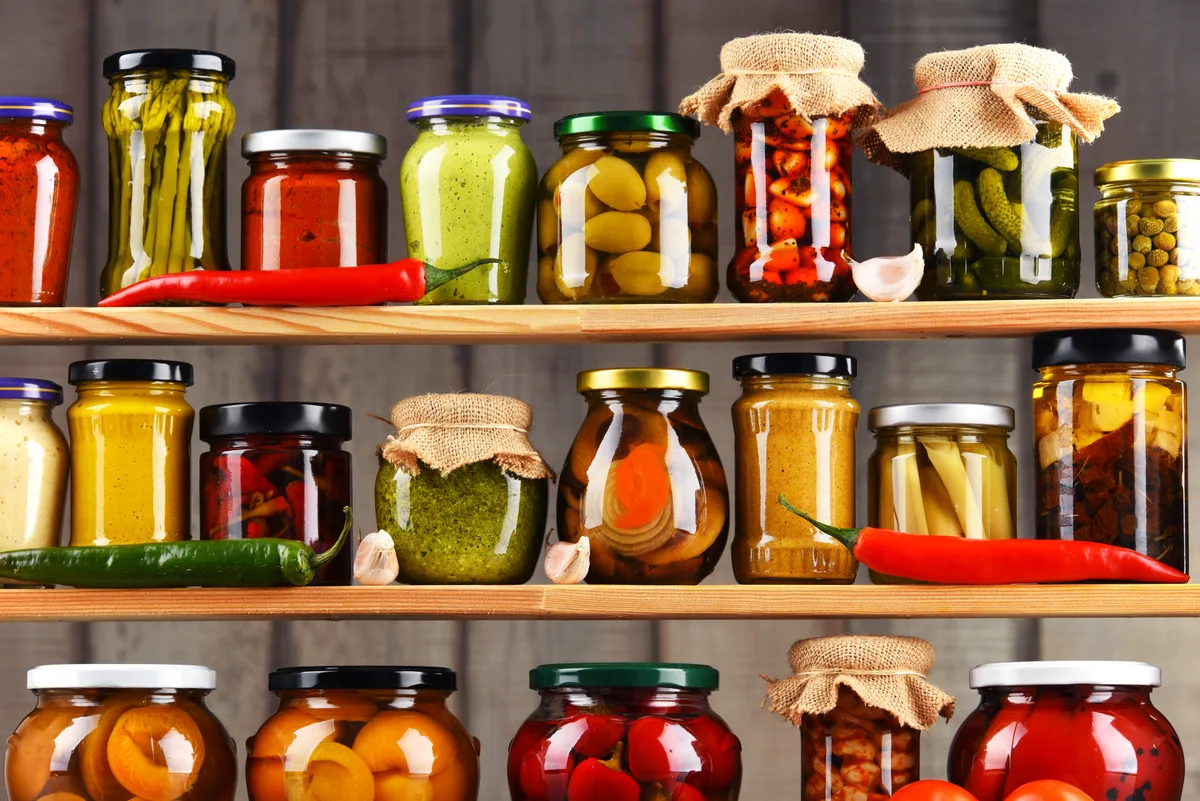
Both sizes ship in glass, which matters for a product bought partly on visual appeal as well as flavour — a customer or a chef can see the grade and the brine clarity through the jar before opening it.
| Format | Case | Best fit |
|---|---|---|
| 300 g glass jar | Case of 12 | Standard kitchen and specialty-retail size, the most common starting order |
| 360 g glass jar | Case of 12 | A larger working jar for kitchens moving through capers faster, fewer jar changes per week |
How kitchens and shelves use capers
- Kitchens — piccata- and puttanesca-style sauces, scattered over smoked fish, chopped into tapenade, or added whole to roasted vegetables and salads for a briny counterpoint.
- Specialty retail — a familiar enough ingredient that most shoppers need little explanation, making it an easy addition next to the olives and pickles range or a broader canned-preserves shelf.
- Foodservice — larger 360 g jars suit kitchens using capers regularly enough to justify holding a case rather than reordering single jars week to week.
Storage once a jar is opened
Capers keep well because they're cured in brine, but the same discipline that protects opened olives applies here: keep the buds submerged in their liquid, use clean utensils rather than fingers, refrigerate after opening, and rotate stock first-in, first-out. Exposed capers dry out and lose their texture faster than the brine itself spoils, so submersion is the single habit that matters most — see how long opened olives keep for the same underlying principle applied to a related brined product.
Ordering capers by the case
Capers are a lower-volume, higher-value line compared to a staple like olive oil or spices, which makes them a natural add-on to a mixed inquiry rather than a standalone order. Our full capers and desert truffles guide covers the product in more depth, including how it compares to the other Levantine fine food we carry from the same coast.
Ordering follows the catalogue's standard model: browse the olives and pickles range, state the format and case counts you want, and send one inquiry — a single written quotation follows, typically within a business day, with no list prices and nothing committed by asking. Many buyers add capers to an olive or preserves order already in progress rather than sending it as a separate inquiry.
A reasonable first order for a kitchen new to stocking capers in volume is a single case of the 300 g jar, tried against a few menu items before scaling to the larger 360 g size or a second grade. Because the jars are shelf-stable, there's no urgency to overbuy on a first order — the reorder is a simple quantity adjustment on the next inquiry once the grade and format have proven themselves against your actual usage. There's no fixed minimum published for a caper order either, which makes this an easy line to trial alongside a larger olive or preserves inquiry rather than committing to it as a standalone purchase.
Related questions
What size caper should a kitchen order?
Smaller grades (nonpareils, capucines) suit fine sauces and delicate garnishes; larger grades (capotes, fines) carry a coarser bite and work well where texture matters less than volume, such as a long-cooked braise.
What's the difference between the 300 g and 360 g jars?
Both are the same grade range in glass, case of 12 — the 360 g jar is simply a larger working size for kitchens moving through capers fast enough to want fewer jar changes per week.
Is there a minimum order for wholesale capers?
Quantities are quoted by inquiry rather than fixed on a price list — state the case counts you want and the quotation reflects them, often alongside an olive or preserves order on the same inquiry.