Sourcing & Wholesale
Wholesale olives from the Levant and Anatolia: a Canadian buyer's guide
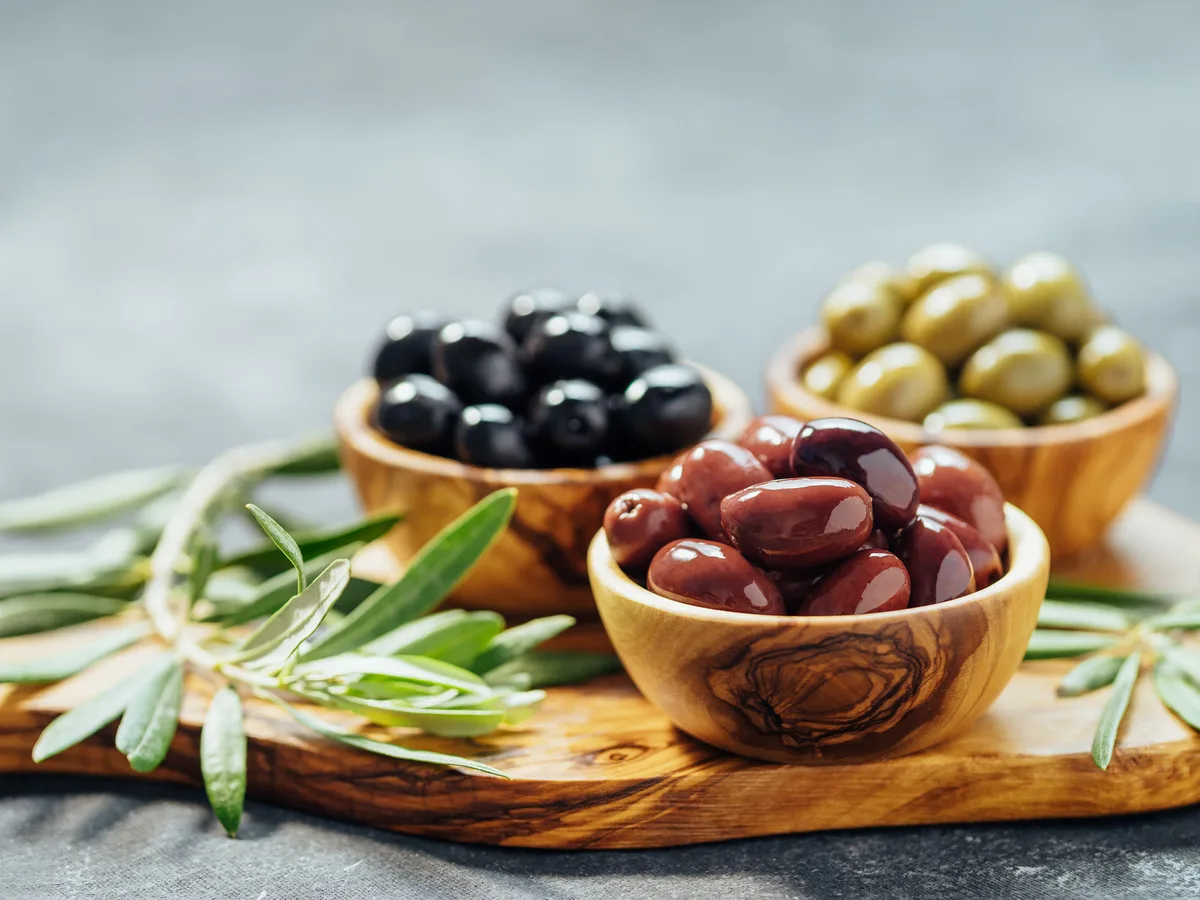
Buying wholesale olives in Canada works best when you match the style and the pack format to the job — table service, mezze, salad bar or retail facing — rather than chasing a single all-purpose olive. Our catalogue carries six olive lines from two origin houses: Lio Food of Latakia on the Syrian coast, and Zer Group of Gaziantep in Anatolia, in glass, tin and vacuum formats, quoted by inquiry — typically within a business day.
Olives are the anchor of the Levantine table, and customers judge them the way they judge bread: instantly. This guide walks through the two traditions in the catalogue, compares the six stocked lines format by format, settles the glass-tin-vacuum question, and covers brine handling so the last olive in the pail serves as well as the first.
Two origin traditions, one shelf
The Syrian coast and Anatolia grow different olives and cure them differently, and a serious program stocks both. From Latakia, the flagship is Green Olives Salkini in a generous 1300 g jar — the firm, bright table olive of the Levantine mezze, from the same coastal belt that presses Lio's premium virgin olive oil.
From Gaziantep, Zer brings the black-olive side of the shelf: whole black olives in vacuum packs, lighter-cure tinned black olives for volume kitchens, and sliced black and green olives in jars for pizza, salads and sandwich lines. Two houses, two traditions, one consolidated delivery.
The style difference is worth explaining to staff because customers ask. Green olives are picked before ripening and cured firm, salty and sharp — built for the mezze plate and the breakfast table. Black olives ripen on the tree first, giving a softer bite and a rounder, oilier depth that suits braises, flatbreads and the morning spread. Lighter cures split the difference: milder brine, gentler salt, the everyday olive of volume kitchens. None of these replaces the others, which is exactly why the category rewards a real range over a single compromise SKU.
The six stocked lines, compared
Format decides as much as variety at wholesale: the same olive behaves differently on a mezze plate, a pizza line and a retail shelf. The table matches each line to its best use.
| Line | Format | Best fit |
|---|---|---|
| Green Olives Salkini (Lio) | 1300 g glass jar, case of 6 | Mezze and table service; delis selling by weight; serious retail facing |
| Zer Black Olives | 170 g vacuum pack, case of 48 | Retail grab-and-go; breakfast programs; small-format stores |
| Zer Light Black Olives | Half-size tin, case of 24 | Volume kitchens, hotels, caterers |
| Zer Sliced Black Olives | 370 cc glass jar, case of 12 | Pizza, salads, sandwich lines — no prep labour |
| Zer Sliced Green Olives | 370 cc glass jar, case of 12 | Same stations, brighter profile |
| Capers (Lio) | 300 g glass jar, case of 12 | The garnish shelf beside the olives — salads, fish, mezze |
Glass, tin or vacuum: choose by turnover
Glass shows the product and reseals — the right call for retail facings and for kitchens that draw from a jar across several services. Tins win on volume economics and durability for kitchens that open a container and commit it to service the same day. Vacuum packs suit retail impulse and breakfast service: single-purpose portions with no brine to manage front-of-house.
The honest rule: buy the format your turnover empties fastest, not the largest one on the quote. An opened container is a countdown; a sealed case in dry storage is not. Mixed cases across formats — a jar line for the shelf, a tin line for the kitchen — are exactly what inquiry-based ordering is built for.
For retail, the format also does the merchandising. The 1300 g Salkini jar is a statement piece that anchors a Levantine set and sells to households who host; the 170 g vacuum packs live at the register and in lunch baskets; the sliced jars sit with the pizza and salad ingredients rather than in the international aisle. Placing the same category in three parts of the store is how grocers turn one product family into three purchase occasions.
Brine handling: the discipline that protects your margin
Olives are hardy, but service habits decide how long an opened container stays good. The routine is short and worth posting at the station.
- Keep olives submerged in their brine — exposed fruit oxidizes and softens first.
- Use clean, dedicated utensils — never fingers, never the salad tongs.
- Refrigerate opened containers and decant service portions rather than working from the master jar.
- Never top up with water — it dilutes the brine that preserves the fruit.
- Date containers on opening and rotate first-in, first-out; the full routine is in how long opened olives keep.
Building the olive order into a fuller pantry
Olives rarely travel alone on a quotation. Mezze and antipasto programs add capers and crushed red hot pepper from the same Latakia house; retail sets face the jars beside olive oil and pickled lines from the olives and pickles range. Consolidating these onto one inquiry is how buyers get a coherent shelf and a single delivery instead of four suppliers and four minimums.
Ordering follows the catalogue's standard model: state case quantities per line, send one inquiry, and receive one written quotation, typically within a business day — no list prices, nothing committed by asking; see how inquiry ordering works. Delivery runs across the GTA, and these shelf-stable cases quote well for buyers elsewhere in Canada.
Related questions
What is the difference between green and black olives?
Ripeness, mostly — green olives are picked earlier and cure firm and sharp; black olives ripen longer for a softer texture and mellower, deeper flavour. A working shelf or mezze program carries both.
How long do olives last after opening?
Kept refrigerated, submerged in their brine and handled with clean utensils, opened olives serve well for weeks. The failure mode is handling, not time — exposed fruit and dirty tongs end a container early.
Can restaurants order mixed olive cases with other products?
Yes — mixed inquiries are the norm, not the exception. Combine olive lines, capers, oil and anything else from the catalogue in one inquiry; the quotation covers every line and the delivery arrives consolidated.