For Restaurants & Cafés
The Syrian restaurant pantry: Damascus and Aleppo staples, sourced from origin
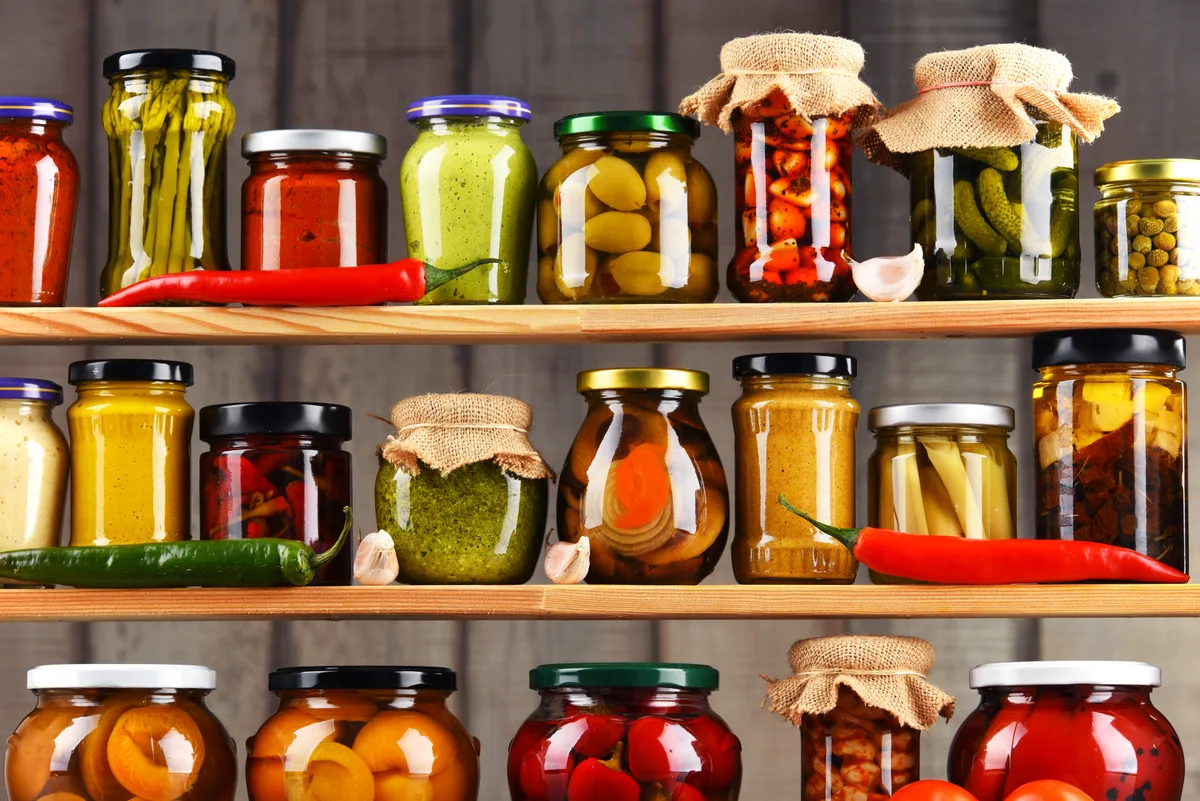
A Syrian restaurant pantry is built on a handful of origin-true staples: crushed red pepper for the Aleppan heat register, tomato paste and jarred vegetables for the stew pot, olive oil and olives from the coast, halawa and barazek in the Damascus sweet tradition, and cardamom coffee to finish. Levant Direct stocks all of these from named houses — led by Lio Food of Latakia on Syria's coast — so a GTA kitchen can buy the real articles by the case on one quotation.
The home audience is substantial: 19,370 Toronto-area residents reported Syrian origins in the 2021 Census (Statistics Canada, Toronto CMA), and Canada welcomed 44,620 Syrian refugees between November 2015 and December 2016 alone (IRCC key figures). Many settled in the GTA, and they know exactly how muhammara, kibbeh and halawa should taste.
Heat and depth: crushed red pepper is the signature
If one jar defines the Syrian line, it is crushed red pepper — the warm, fruity heat behind muhammara, kibbeh fillings and Aleppo-style kebabs. We carry Lio's crushed red hot pepper in 360 g glass jars by the case of twelve, packed in Syria. Put it beside Zer's pomegranate sauce and walnuts and the muhammara bench is essentially covered; we map the molasses side of that pairing in pomegranate molasses on a working menu.
Where a milder, brighter red is wanted, chilli pepper and paprika from the AbdulRahim Mills rack round out the register, and the wider spices category covers the allspice, cumin and cinnamon that carry Syrian stews.
The jarred kitchen: tomato paste, artichokes, capers and truffles
The Syrian stew pot runs on concentrated jars, and glass is the honest format because the buyer can see the product. Lio tomato paste comes in 360 g glass by the case of twelve; artichoke in 1300 g jars sets up mezze and braise work; capers sharpen salads and fish plates.
The prestige special is whole desert truffles — kamaa — in 635 g glass jars. Truffle stew with rice reads unmistakably Syrian on a GTA menu and almost nobody else offers it, which is exactly the kind of dish that makes a restaurant a destination. From the same house, Green Olives Salkini and premium virgin olive oil complete the coastal pantry.
Damascus sweets: halawa, barazek and the maamoul tray
The sweet counter is where the Damascus tradition shows most clearly. Ibrahim Srour Est. presses halawa with pistachio in 800 g blocks to a Damascus family recipe — slice it for dessert plates or shave it over warm bread. Hamdan for Foods, a Damascus-origin house now producing in Jordan, supplies barazek — the sesame-and-pistachio biscuit Damascus is famous for — alongside ghraybeh and ma'amoul with date and cardamom in portioned boxes that work as takeaway retail at the register.
Beyond the plate: Aleppo soap as front-of-house retail
Syrian restaurants hold a merchandising card most cuisines lack. In 2024, UNESCO inscribed the craftsmanship of Aleppo Ghar soap on its Representative List of Intangible Cultural Heritage — olive oil (metraf) and laurel oil (ghar) brewed in a tradition reaching back some 3,000 years, cut by craftsmen in wooden shoes, hand-stamped with the family name and dried for months.
We stock more than twenty laurel soaps in the Aleppo soap category from Nader Barakat & Sons, made in the Aleppo tradition. A small shelf of stamped bars by the register turns waiting guests into retail customers and sends the story of the house home with them.
One inquiry for the whole pantry
Send the entire list at once — heat, jars, sweets, coffee and soap — and one written quotation comes back, typically within a business day. Lines outside the visible catalogue that a Syrian kitchen leans on, such as freekeh, bulgur, makdous and grape leaves, can often be sourced on request through our supplier houses; note them on the same inquiry. For channel comparison, see how to buy Middle Eastern food wholesale in Toronto.
| Menu anchor | Pantry line | Catalogue coverage |
|---|---|---|
| Muhammara | Crushed red pepper, pomegranate molasses | Lio glass jars; Zer bottled sauce |
| Kibbeh and kebabs | Warm spices, red pepper | AbdulRahim Mills rack; Lio pepper |
| Stews and rice | Tomato paste, artichoke, truffles | Lio glass jars |
| Mezze | Olives, capers, olive oil | Lio Salkini olives, capers, 250 ml oil |
| Sweet counter | Halawa, barazek, ma'amoul | Srour and Hamdan boxes |
| Coffee service | Cardamom coffee | Lio 100 g packs by the case |
| Register retail | Aleppo laurel soap | Barakat stamped bars |
| Freekeh, makdous, grape leaves | Kitchen staples | Sourced on request via supplier houses |
Related questions
Where can a Syrian restaurant in the GTA find a supplier for origin-true staples?
A quote-based import catalogue is the most transparent route: the full range is visible online, the producing house is named on every product, and one inquiry returns a written quotation, typically within a business day, with delivery across the GTA confirmed on it.
What separates Damascus-style from Aleppo-style pantry lines?
Broadly, Damascus is the sweets tradition — halawa, barazek, ghraybeh — while Aleppo is heat and depth: crushed red pepper, kebab culture and the laurel-soap craft. A working Syrian menu draws on both, which is why the pantry spans several houses.
Do you stock freekeh, makdous or grape leaves?
They are not in the visible catalogue, so we do not claim them off the shelf. All three can often be sourced on request through our supplier houses — add them to your inquiry and the quotation states what is available.