Sourcing & Wholesale
Arabic grocery wholesale in Canada: sourcing the shelf an Arabic-speaking customer checks first
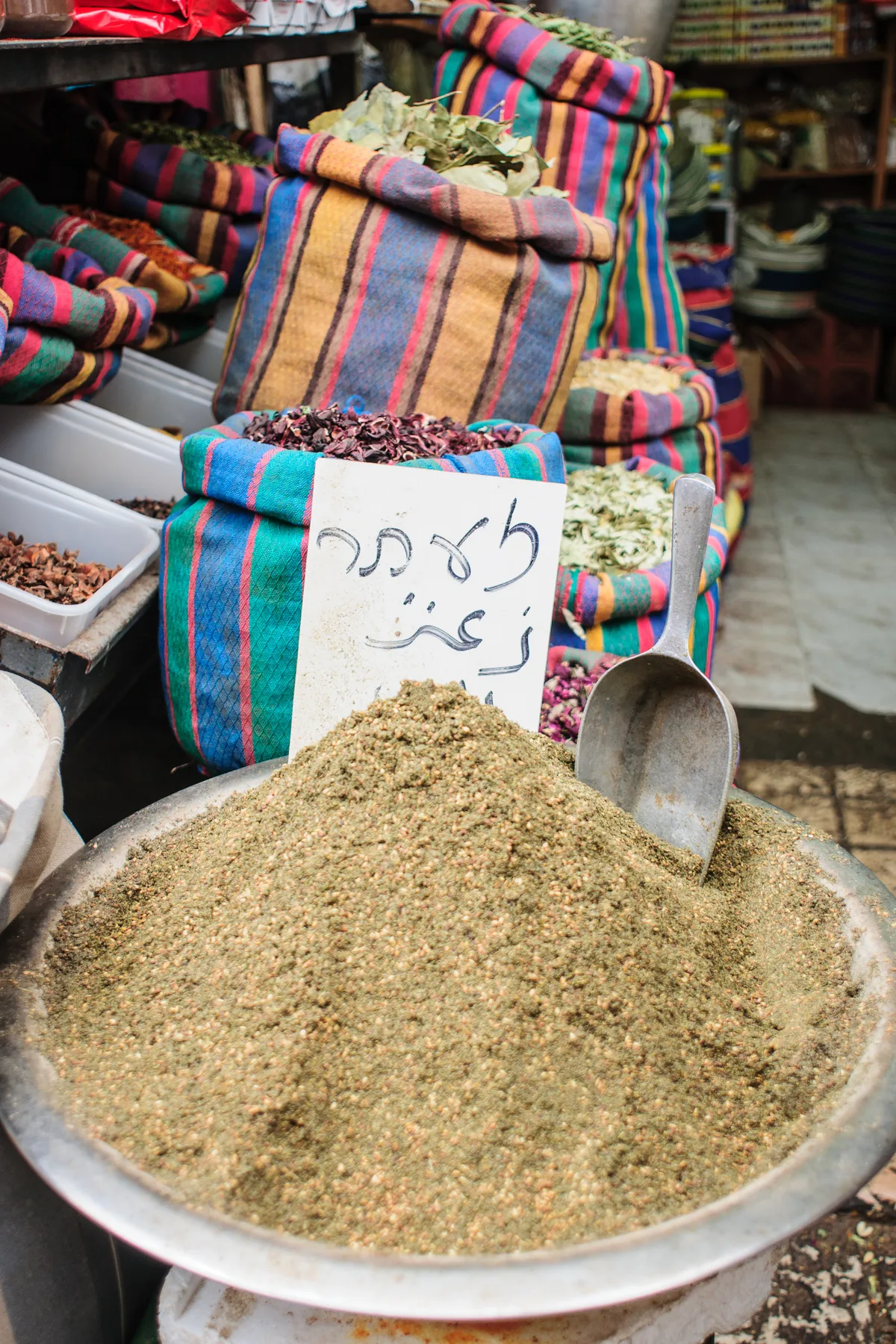
Arabic grocery wholesale in Canada means sourcing the specific lines an Arabic-speaking shopper checks first — za'atar and spices, olive oil, tahini and halawa, cardamom coffee, Aleppo soap — from suppliers who can name the producer and the origin, not a generic 'Middle Eastern' case-lot. Levant Direct is built around that standard: an import catalogue drawn from ten named supplier houses across Jordan, Syria, Türkiye and Egypt, quoted by the case rather than priced off a fixed list.
This guide sets out what actually separates an Arabic grocery's shelf from a store with a single international aisle, how sourcing works whether you're inside the GTA or elsewhere in Canada, and where to go for a deeper look at the supplier houses themselves and the products they bring.
What 'Arabic grocery' stock actually means
An Arabic grocery earns the name at the shelf, not on the sign above the door. Customers who grew up on these products check specifics a general store misses: is the za'atar a real Jordanian or Palestinian-style blend rather than a domestic imitation; is the coffee cardamom-forward the way it's actually brewed at home; does the halawa name the house that pressed it. Get those right and the rest of the store earns trust by association.
That's a narrower, sharper test than 'Middle Eastern grocery' as a category, which can stretch across a dozen cuisines with a shelf each. Our broader distributor guide for Middle Eastern groceries covers category depth and shelf planning generally; this page is about the specific lines an Arabic-focused store is judged on and how to buy them wholesale.
The customer base behind that expectation is real and countable: the 2021 Census recorded 163,405 people in the Toronto CMA who can hold a conversation in Arabic, with 97,690 reporting it as a mother tongue (Statistics Canada, 2021 Census). That's a customer base large enough to sustain dedicated Arabic groceries rather than a single shared shelf inside a general store, and it extends further still once you count second-generation shoppers who cook Levantine food without necessarily speaking the language.
- Spices and za'atar — whole and ground spices, shawarma blends and Green Jordanian Thyme milled to a Palestinian-heritage recipe.
- Olive oil, olives and preserves — the weekly-basket staples most Arabic households buy on a rhythm, not a whim.
- Tahini and halawa — a deli-adjacent category with loyal repeat buyers who know the difference between a Damascus recipe and a filler brand.
- Cardamom coffee — the default brew in most Levantine and Gulf-adjacent households, not a specialty item.
- Aleppo soap — a gift and wellness line with real cultural weight on the shelf.
Sourcing nationally from a GTA-based catalogue
The wholesale mechanics are the same case-based, quote-first model that runs across this category: browse the catalogue, add what you need to an inquiry with quantities, and send it once. A written quotation covering every line typically comes back within a business day — see how inquiry ordering works for the full mechanics.
We deliver across the Greater Toronto Area and ship anywhere in Canada on a standing route, and we quote shelf-stable goods to buyers elsewhere in Canada as well; the fuller picture of who buys this way and where is in Levantine food supplier in Canada, which also lays out the evaluation checklist worth running against any supplier claiming to serve this category.
Buying direct from the supplier houses
Part of what makes a wholesale source credible to an Arabic-speaking customer base is being able to name who actually made a product — not an importer's private label, but the mill, the bakery, the soap house. Our catalogue is built from ten such houses, and buying directly from Middle East suppliers covers each one, what they bring, and why direct sourcing matters for provenance.
For the wider question of what the Levant's foods actually are and how our categories map onto that tradition, Levant foods is the starting point — useful background if you're building a store's positioning as well as its shelf.
Building your first wholesale order
First orders for an Arabic grocery don't need to cover everything at once. Start with the two categories your customers will judge you on hardest — usually spices and za'atar plus sweets — and add a facing of the rest: olives and preserves, tahini and halawa, coffee, soap. Send the whole wish list in one inquiry even if you plan to open with half of it; the quotation becomes your costed shelf plan, and the untouched half is your reorder shortlist.
Products that aren't in the catalogue — bulk dates are the most common request from this buyer type — can often be sourced on request through our supplier houses. Add the request to the same inquiry and it's answered alongside everything else; see can you request products not listed.
Reorders follow the same pattern once you know what moves: keep your original inquiry list, adjust the quantities, and resend it. Because everything in an Arabic grocery's pantry is shelf-stable — spices, olive oil, tahini, coffee, soap — a weekly or biweekly reorder rhythm is realistic without holding heavy backroom stock, and quotations typically return within a business day.
Related questions
Do you supply Arabic grocery stores outside the GTA?
Yes. Standing delivery covers the Greater Toronto Area, and shelf-stable goods are quoted to buyers elsewhere in Canada as well — route and timing for orders outside the GTA are confirmed on the quotation.
Is there a minimum order for wholesale Arabic grocery stock?
Minimums vary by supplier and product; the case is the working unit. See is there a minimum order for how that plays out in practice — state the quantities you want and the quotation reflects them.
Do I need an import licence to buy Arabic grocery products wholesale?
No, if you're buying from a licensed Canadian importer — the importer holds the Safe Food for Canadians licence, not you. This is general guidance, not legal advice; see do you need to buy from a licensed importer and confirm your own situation with the CFIA.