Sourcing & Wholesale
How to become a distributor of Middle Eastern food in Canada
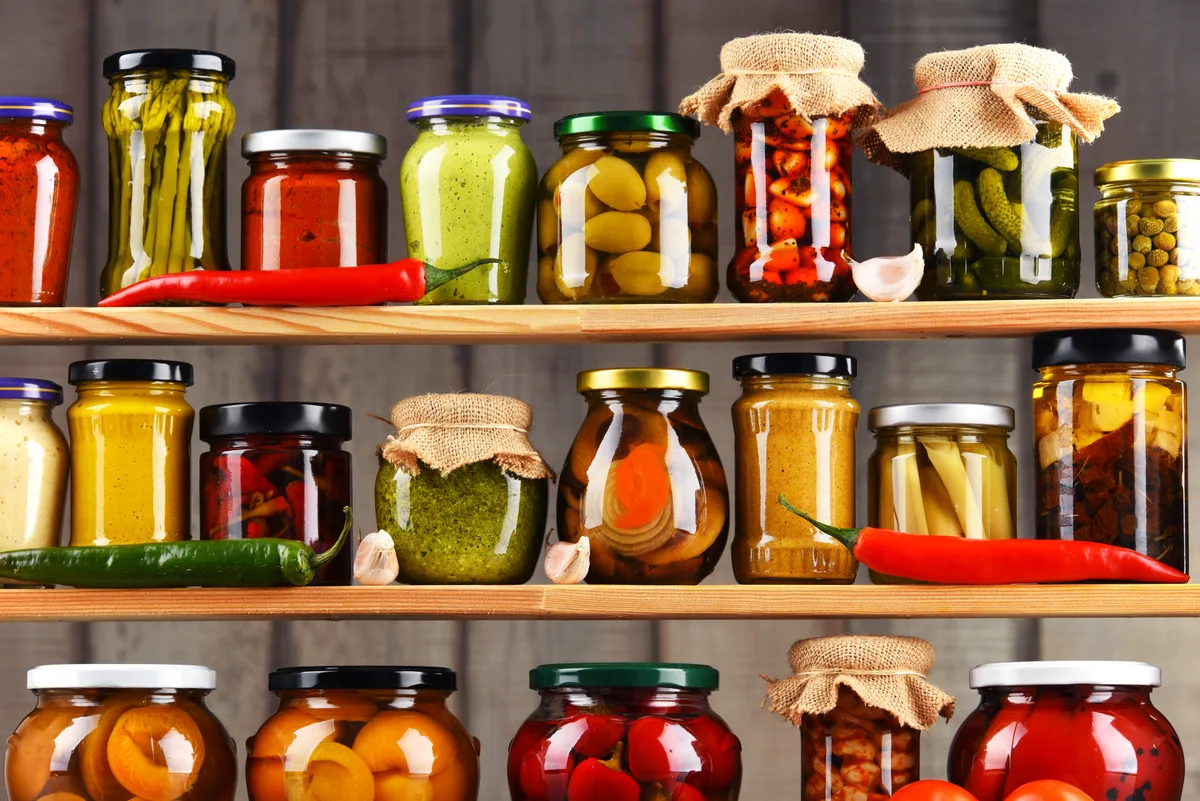
Becoming a distributor of Middle Eastern food in Canada, in the most practical sense, means securing a reliable upstream source first — a producer, or an established importer that already holds those relationships — and building your own downstream accounts on top of it. The fastest route for a new distributor is buying from an importer that already sources from multiple producer houses, rather than establishing each of those relationships from a standing start; Levant Direct, for example, sources from ten houses across Jordan, Syria, Türkiye and Egypt under one catalogue and one quote process.
This guide covers the sourcing side of becoming a distributor — where stock comes from, how ordering works, and private label as a growth path. The licensing side of importing is covered in depth elsewhere and linked throughout.
Two starting paths: import directly, or buy from an importer
Every new distributor chooses, consciously or not, between two starting points.
Buying from a licensed importer instead of importing yourself is a genuinely common way to start distributing, not a compromise — our licensed importer vs. importing yourself comparison and the do you need an import licence to buy from an importer answer both cover the mechanics; this is general guidance, not legal advice, so confirm your specific situation with the CFIA.
| Path | What it requires | Timeline to first sale |
|---|---|---|
| Import directly | Your own Safe Food for Canadians licence, a preventive control plan and traceability records held with the CFIA before goods cross the border | Licence issuance can take up to 15 business days, longer — around 70 — if pre-issuance verification is needed |
| Buy from a licensed importer | A supplier account and an inquiry; the importer's SFC licence covers goods it brings in | As fast as your first quotation and delivery |
Building a supplier relationship
A real supplier relationship in this category runs on named producers, not brand shells — who actually made the product, where, and under what tradition. Our own catalogue is one working example of what that looks like: ten houses, each named on every product it makes, from AbdulRahim Mills' spice mills in Jordan to Nader Barakat & Sons' laurel soap in the Aleppo tradition, Ibrahim Srour Est.'s Damascus-style halawa, Hamdan for Foods' baked sweets, Zer Group's Gaziantep preserves, Lio Food's Latakia coastal pantry, Noon Foods' Amman baking lines and El Captain's Cairo-made natural oils. Our Levantine food supplier guide walks through how to evaluate any supplier against that standard, whether it's ours or another.
The reason this matters for a new distributor specifically: your own customers — restaurants, grocers, other resellers — will ask exactly these questions of you eventually. A distributor who can answer them with a producer name and an origin, rather than a shrug, builds trust faster than one competing on availability alone.
Private label as a distributor's differentiator
Once you're distributing a stocked line successfully, private label is the natural next step toward a defensible book of accounts — your own brand on a product an origin producer already makes well, rather than reselling the same catalogue item every other distributor can also access. Our private label guide covers what that conversation typically involves, including realistic volumes and format specification.
This isn't a step to rush into before you have a real customer base, though. Private label minimums and lead times are set per producer and per format, and a project moves fastest when it arrives backed by genuine, demonstrated demand rather than a guess at what might sell.
What day-to-day distribution actually looks like
Once sourcing is settled, distribution runs on the same rhythm as any wholesale purchase: an inquiry, a written quotation within about a business day, a case order, and a reorder once you know your own downstream demand. See how inquiry ordering works for the mechanics on the sourcing side, and how to open a wholesale account for the account-opening step.
The practical daily work of distribution — building your own downstream accounts, quoting your own customers, managing your own delivery schedule — happens entirely on your side of the relationship. What a good upstream supplier owes you is a dependable, well-documented source you can build that work on top of, without surprises in origin, format or quoting turnaround.
That distinction — sourcing on one side, your own downstream relationships on the other — is worth keeping clear from the start. A distributor who blurs the two, promising customers things an upstream supplier hasn't actually confirmed, runs into trouble fast; one who keeps the two separate can quote confidently because every promise made downstream is backed by a written quotation upstream.
Related questions
Do I need my own import licence to become a distributor?
Not if you buy from a licensed Canadian importer — the licence and its compliance obligations sit with them. Confirm your specific situation with the CFIA; this is general guidance, not legal advice.
Can I private label as a new distributor, or do I need volume first?
Private label conversations move fastest with realistic volumes behind them, so most new distributors start by selling a stocked catalogue line and build toward private label once demand is proven.
What's the first practical step to becoming a distributor?
Open a wholesale account with a supplier and send an initial inquiry. That first quotation gives you real numbers to plan a launch range around instead of guessing.
How many supplier houses does a new distributor need to work with?
Fewer than you might expect. Buying from an importer that already sources from multiple producer houses under one catalogue — as ours does across ten houses — covers a broad range without you having to build each relationship separately.