Sourcing & Wholesale
Black pepper wholesale in Canada: whole peppercorns, ground, and how to judge quality
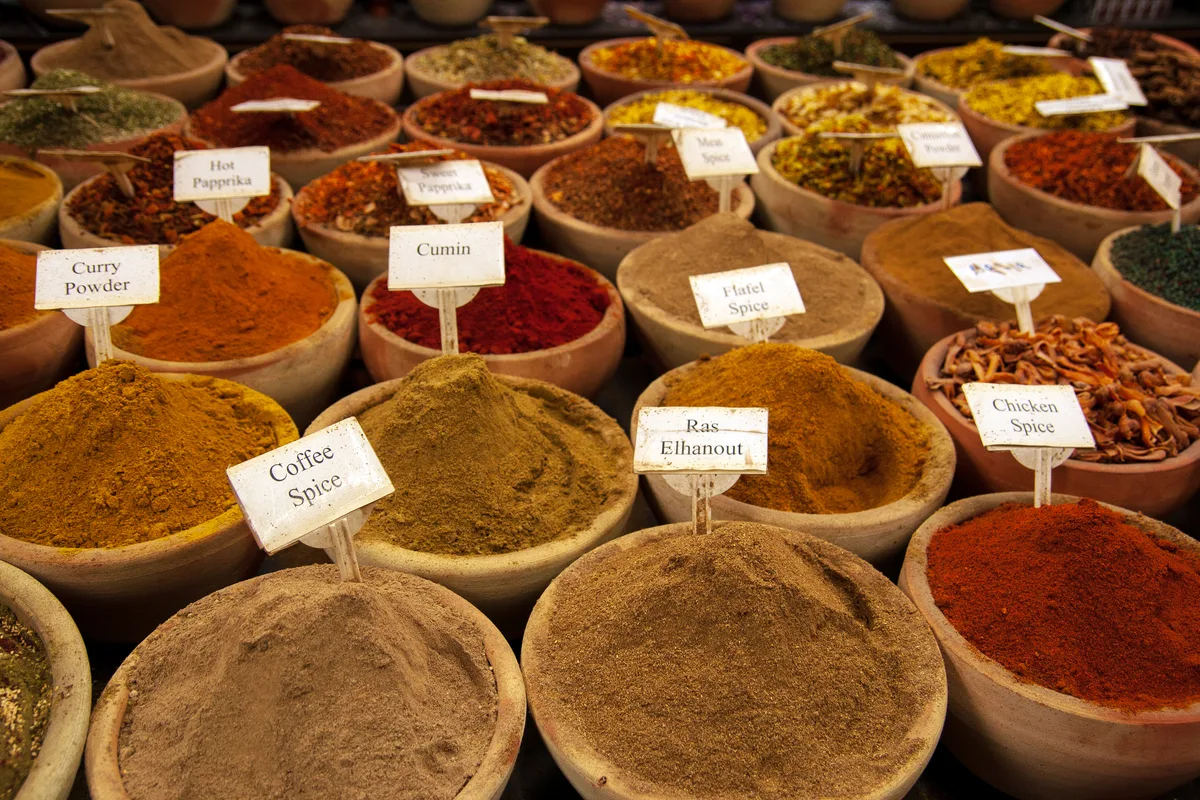
Black pepper wholesale in Canada comes down to two decisions: whole peppercorns or pre-ground, and how confident you are in the mill behind either one. We stock Black pepper as whole corns and Ground Black Pepper already milled, both from AbdulRahim Mills, quoted by inquiry with one written quotation covering every line you add.
Pepper is the single highest-volume spice in most kitchens, which makes it an easy line to buy carelessly — it's cheap enough per unit that few buyers scrutinize it the way they would sumac or cardamom. That's a mistake: pepper's aroma comes from volatile oils that fade the moment it's cracked, so grind freshness, corn density and how the mill handles storage matter more than most buyers assume. This guide covers what to look for, which format suits which kitchen, and how to source it properly.
What tells you a peppercorn lot is good
Weight is the simplest tell: good black peppercorns feel dense and heavy for their size, because a well-dried, oil-rich corn packs more into the same volume than a hollow, over-dried one. Colour should be a consistent dark brown-black across the lot, not a mix of shades that suggests blended harvests or age. Cracked open, a fresh peppercorn smells sharp and a little citrusy before the heat even registers — a dusty or flat smell means the volatile oils have already gone.
Ground black pepper is harder to judge on sight, which is exactly why the mill's freshness practice matters more than the label. Ask any supplier how recently a batch was milled and how it's stored between milling and shipping; a mill that grinds in smaller runs against demand, rather than sitting on large pre-ground stock, is the one worth building a relationship with.
Origin is worth asking about too, even if it rarely changes a purchasing decision on its own. Pepper is grown across several tropical regions, and lots can vary in heat and aroma from one harvest to the next; a mill that can tell you where a given lot came from, rather than shrugging at the question, is generally the more careful operator further down the supply chain as well.
Where pepper sits in a working kitchen or store
In foodservice, black pepper is table stakes — it's in the seasoning of nearly everything, including the meat and chicken rubs that carry shawarma, kebab and grill programs. If you're already buying shawarma spice blends or running a broader restaurant spice program, pepper belongs on the same reorder cycle rather than picked up piecemeal from a cash & carry.
For grocers, pepper is a shelf staple every customer buys, which makes it a useful anchor item: a spice wall that gets the basics — pepper, cumin, cardamom — visibly right earns trust for the harder-to-judge specialty lines sitting next to it, like sumac or za'atar.
Formats: whole corns vs ground, by kitchen type
The trade-off is straightforward: whole peppercorns hold flavour far longer and let a kitchen grind exactly what a dish needs, while ground pepper saves labour on high-volume lines where a mill or grinder station isn't practical.
| Format | Best for | Watch-outs |
|---|---|---|
| Whole peppercorns | Restaurants with a grinder station, retail spice walls, table service | Buy in quantities matched to turnover — whole corns still fade eventually if left too long |
| Ground black pepper | High-volume prep kitchens, bakeries, blend and spice-mix makers | Ask the mill about grind recency; ground pepper loses its edge faster than the whole corn |
| Bulk sacks on inquiry | Caterers, central kitchens, repackers buying at volume | Confirm origin and lot details in writing before committing to a large order |
How to source it from us
Black pepper follows the same quote-based model as the rest of the catalogue: add whole corns, ground pepper, or both, to an inquiry list with the quantities you need, alongside the rest of your spice order, and one written quotation comes back covering every line — typically within a business day. Asking commits you to nothing, and there's no published price list; the quotation is the price document.
Because pepper turns over quickly in most kitchens, it's worth reviewing how wholesale reorders work once your first order lands, so your pepper line stays in sync with the rest of your spice program instead of running out between quotes.
Related questions
Should a restaurant buy whole peppercorns or ground black pepper?
Whole, if a grinder station fits your line — the flavour holds far longer and you control the grind. Ground pepper is the practical choice for high-volume prep or baking where grinding to order isn't feasible; just ask your supplier how recently it was milled.
How can I tell if black peppercorns are good quality?
Weight and consistency are the fastest checks. Dense, heavy corns with a uniform dark colour and a sharp, citrusy smell when cracked indicate good oil content; light, hollow-feeling or dusty-smelling corns have usually faded or been stored too long.
Is there a minimum order for wholesale black pepper?
Minimums vary by supplier and format. With a quote-based catalogue you state the quantities you want — whole or ground — and the quotation reflects them; asking costs nothing and commits you to nothing.
How should bulk black pepper be stored once it arrives?
Sealed, cool and out of direct light, the same as any whole or ground spice. Whole peppercorns hold their oils for many months stored this way; ground pepper is more sensitive to air and heat, so keep the master bag closed and decant only a working amount for the line.