Sourcing & Wholesale
Canned artichoke hearts wholesale in Canada: format and ordering
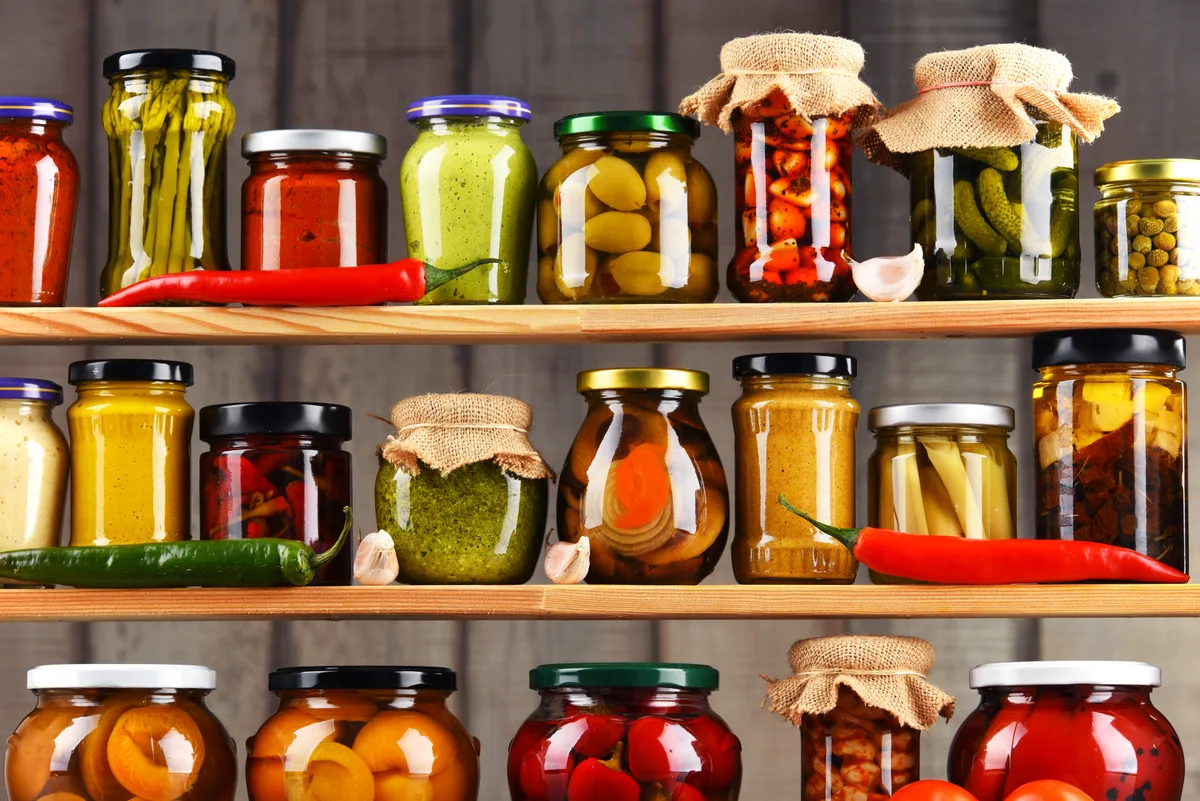
When buyers search for canned artichoke hearts wholesale, most mean any shelf-stable, preserved artichoke — a product that doesn't need refrigeration and holds a long dated shelf life. Our own format is glass rather than tin: Artichoke from Lio Food of Latakia ships in a 1300 g glass jar, case of 6, and is quoted by inquiry with a written quotation typically inside a business day.
This guide covers the format itself, where artichoke hearts fit on a foodservice or retail line, and how to order a first case.
What we stock, in plain terms
The product is artichoke bottoms and hearts, preserved in a glass jar rather than a metal tin — 'natural food, premium quality' is how the supplier describes it, and the origin is Syria. Glass has a real practical advantage over tin for this product: a buyer can see the fill level, the liquid clarity and the pieces themselves before opening the jar, which matters for a product where visual quality varies more than it does for, say, a spice or a dried good.
The 1300 g size is a genuinely foodservice-scale jar rather than a small retail portion, and the case of 6 reflects that — this is a format built for a kitchen or a delicatessen working through artichoke regularly, not a single-household purchase.
Buyers used to a specific tinned brand sometimes ask whether a glass-packed artichoke behaves differently in the kitchen — in practice, once drained, the pieces handle the same way in a pan, on a platter or folded into a filling. The difference that matters most in service is upstream of the pan: glass shows you the pieces before you commit to opening it, which is one less unknown when you're planning a prep list against a fixed jar count.
Format at a glance
| Format | Case | Best fit |
|---|---|---|
| 1300 g glass jar | Case of 6 | Foodservice kitchens, delis and specialty retailers working through the product regularly |
Where artichoke hearts fit on a menu or a shelf
- Antipasto and mezze platters — artichoke hearts are a standard anchor alongside olives, capers and preserved peppers.
- Pizza and salad lines — quartered or sliced from the jar, no separate prep station required.
- Specialty and gourmet retail — a glass-jar format that reads well next to other preserved Mediterranean and Levantine lines rather than a generic tinned-goods aisle; see Levantine fine foods for specialty retail for how a shelf built around products like this one is merchandised.
- Caterers — the 1300 g jar covers a decent stretch of service from a single container, useful for planning quantities against a fixed guest count.
Storage and handling once a jar is opened
Once opened, keep the artichoke pieces submerged in their liquid, refrigerated, and portioned with clean utensils rather than worked from the master jar all shift — the same brine-handling discipline that applies to olives and capers applies here, since exposed pieces dry out and discolour faster than the liquid itself turns. Dating the jar on opening and rotating stock first-in, first-out keeps a 1300 g container serving well across a working week rather than sitting half-used and forgotten at the back of a walk-in.
Pairing with the rest of the preserved-goods shelf
Artichoke hearts rarely travel alone on an inquiry — they pair naturally with capers and the wider canned-preserves range from the same Latakia house, and with the olives and pickles category for a full antipasto or mezze program. Consolidating these onto one inquiry is how buyers end up with a coherent preserved-goods shelf and a single delivery instead of several small orders spread across suppliers.
For a specialty grocer building a small, deliberate fine-foods facing rather than a full pantry aisle, artichoke hearts, capers and a premium olive oil from the same house make a natural three-piece set — one origin story, one supplier, one delivery, and three products a browsing customer can discover together rather than scattered across a generic international aisle.
Ordering a first case
Ordering follows the catalogue's standard model: browse the canned-preserves range, state the case quantity you want, and send one inquiry — a single written quotation follows, typically within a business day, with no list prices and nothing committed by asking. Because the jar is shelf-stable, it quotes well for buyers outside the GTA as well as within it.
A single case of six jars is a reasonable first order for most kitchens and specialty shelves — enough to run it through a real prep list or a few weeks of retail turnover before deciding whether to weight it heavier on the next inquiry. Because there's no dated urgency the way there would be with a fresh or frozen product, a first case can sit in dry storage until it's needed without any risk to the buyer's original decision.
Related questions
Are your artichoke hearts in a can or a glass jar?
Glass — a 1300 g jar, case of 6. Buyers searching for 'canned' artichoke hearts are usually describing any shelf-stable, preserved format, and glass is what we stock.
What's the case size for wholesale artichoke hearts?
The 1300 g jar ships in a case of 6, a foodservice-scale format suited to kitchens, delis and specialty retailers working through the product regularly.
Can I order artichoke hearts alongside olives and capers on one inquiry?
Yes — mixed inquiries across the preserved-goods range are the norm rather than the exception, and consolidating them keeps delivery to a single shipment.
Is there a minimum order for wholesale artichoke hearts?
Quantities are quoted by inquiry rather than fixed on a price list — state the case count you want and the quotation reflects it, often alongside other preserved-goods lines on the same order.