Soap & Natural Care
Carrier Oils Wholesale in Canada: A Formulator's Guide
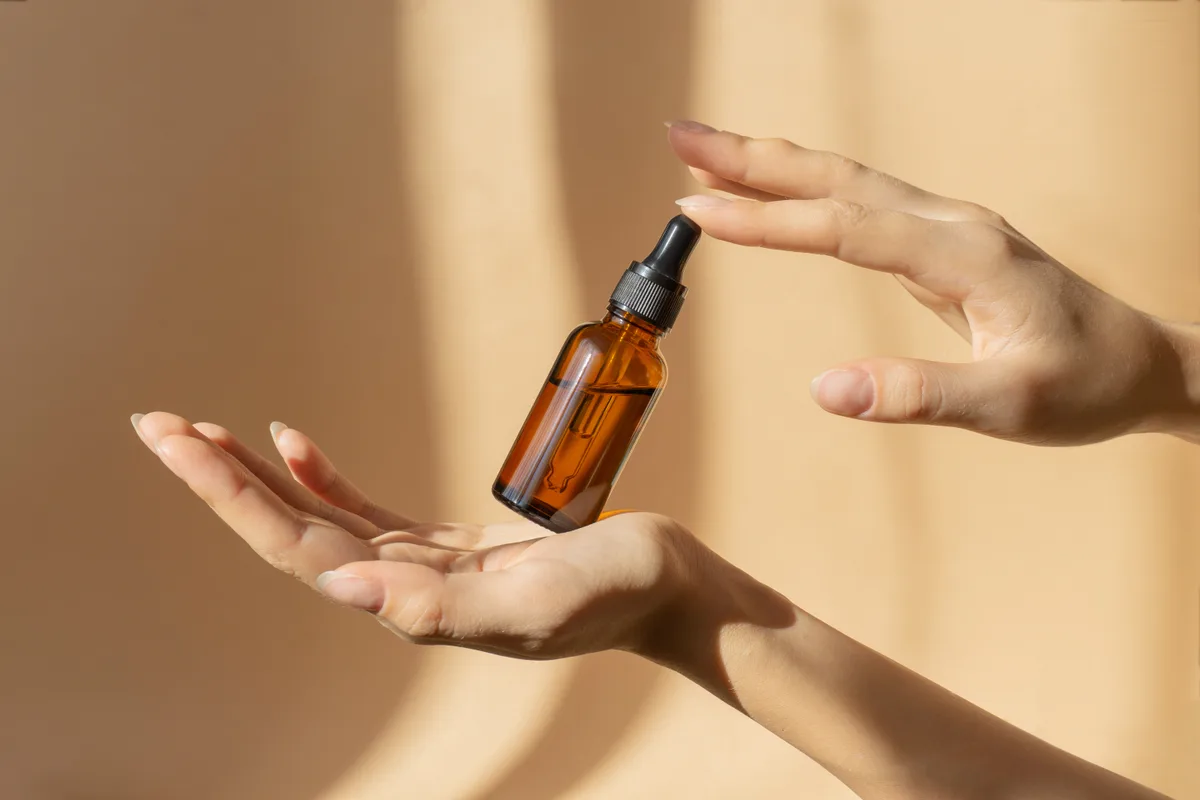
Carrier oils wholesale in Canada means something specific to a formulator: a light, neutral base oil bought to dilute a concentrated fragrance blend or extend a finished cosmetic product, not a standalone finished item. Levant Direct supplies four of the most commonly used carrier oils through El Captain (Cap Pharm) of Cairo — sweet almond, grape seed, jojoba and apricot — quoted by the case.
This guide is written for the formulator specifically — a soap, lotion or fragrance-blend maker diluting a concentrate — which is a different buyer and a different question than our soap-making oils guide, aimed at cold-process soap recipes and saponification.
What a carrier oil is, and how this page differs from our soap-oils guide
A carrier oil's job in formulation is dilution and extension: it carries a smaller amount of a concentrated fragrance or active ingredient across a larger volume of finished product, rather than contributing lather or hardness the way a soap-base oil does. That's a genuinely different formulation role from the oils covered in soap making oils in bulk, which focuses on castor, coconut and olive oil in a cold-process soap recipe.
We're splitting the two pages deliberately rather than folding them together, because a soap-maker's saponification question and a lotion- or blend-maker's dilution question are different enough in practice to deserve separate, focused guidance rather than one page trying to answer both.
Four carrier oils compared for formulators
Texture and blending behaviour, not efficacy, are what separate one carrier oil from another for a formulator choosing between them.
| Oil | Texture | Formulation note |
|---|---|---|
| Sweet almond oil | Light, smooth, largely unscented | The most familiar general-purpose dilution base |
| Grape seed oil | Very light, fast-absorbing | Favoured where a less oily finish matters in the finished blend |
| Jojoba oil | Light, closer to a liquid wax | Chosen where longer shelf stability at room temperature matters |
| Apricot oil | Light, similar to sweet almond | An alternative base for a tree-nut-adjacent-sensitive formulation |
How formulators actually use a carrier oil
In practice, a carrier oil sits at the bottom of a formulation's ingredient list by function even when it's the largest ingredient by volume — it's the medium that carries a fragrance blend, an active botanical extract or another concentrated ingredient into a usable, skin-applied product. Three of these four oils — sweet almond, grape seed and apricot — also show up in our massage oil supplier guide for spa and clinic use, since a treatment-room carrier oil and a formulator's dilution base are frequently the same bottle used two different ways.
Jojoba stands slightly apart in that overlap: its wax-ester structure and longer shelf stability make it a common choice specifically when a formulation needs to sit on a shelf for an extended period before use, rather than being blended and applied the same day.
Cosmetic-language selling for a formulation buyer
Keep marketing language to texture, blending behaviour and traditional use — never to what the finished formulation does once a customer applies it, which is the reseller's own claim to manage under their own labelling, not ours to make on their behalf. Cosmetics in Canada fall under Health Canada's Food and Drugs Act and Cosmetic Regulations; any claim about a finished blend's effect carries regulatory weight regardless of which ingredient in it prompted the claim.
This is general guidance, not legal advice — a formulator launching a new finished product line should confirm claim language for that specific product with Health Canada before it goes to market.
Ordering carrier oils in bulk
All four oils are quoted and cased like the rest of our natural oils range, with format confirmed against the volume you need on the quotation rather than fixed to a published bottle size. Formulators typically order carrier oils in noticeably larger volumes than a retail-shelf buyer, since a single batch of finished product can use far more carrier oil than concentrate — state your expected volume clearly so the quotation reflects genuinely bulk formulation-scale case counts.
How inquiry ordering works covers the mechanics, and samples across two or three carrier oils can typically be requested on the same inquiry before committing to a full production run.
Related questions
How is this different from the soap-making oils guide?
That guide covers cold-process soap oils like castor, coconut and olive oil, chosen for lather and bar hardness. This page covers dilution-focused carrier oils — sweet almond, grape seed, jojoba and apricot — for formulators blending lotions, blends and fragrance products.
Which carrier oil has the longest shelf life?
Jojoba is generally noted in the cosmetics trade for longer stability at room temperature than the others, owing to its wax-ester structure rather than a true triglyceride oil composition.
Can I order carrier oils in genuinely large formulation volumes?
Yes — state your expected volume in the inquiry. Formulators typically order well beyond a standard retail-shelf case count, and the quotation reflects whatever volume you request.
Can I claim a carrier oil improves skin condition?
No — keep language to texture, blending behaviour and traditional use. Any claim about a finished product's effect on skin carries regulatory implications and should be confirmed with Health Canada.