Soap & Natural Care
Soap making oils in bulk: sourcing carrier oils for a Canadian soap program
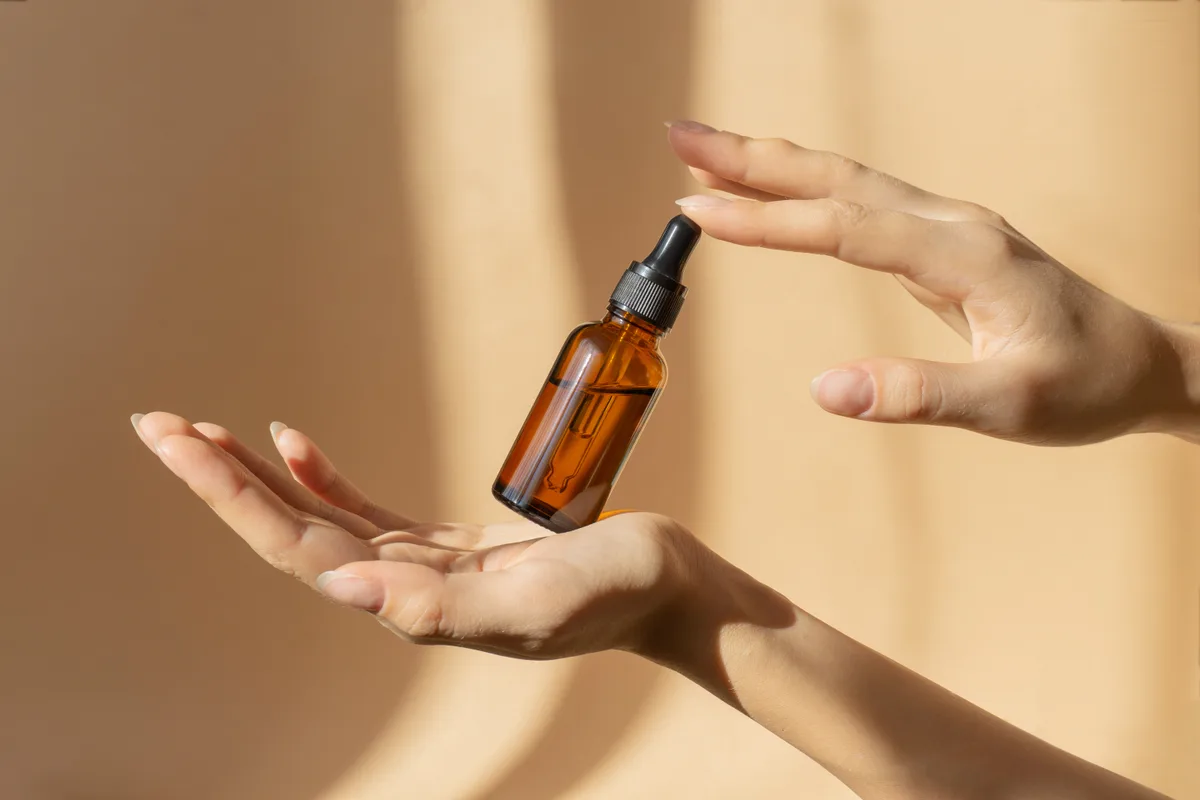
Soap makers buying oils in bulk in Canada are almost always sourcing from an importer, since the carrier oils cold-process soap depends on — coconut, castor, sweet almond, olive — aren't pressed at wholesale scale domestically. Levant Direct supplies several of these base oils through El Captain (Cap Pharm) of Cairo, alongside a finished example of what they build toward: Aleppo soap, a craft built on exactly two of them.
This guide covers which oils in our range suit a soap program, how the Aleppo tradition uses them, and how to plan a bulk oil order alongside — or instead of — buying finished soap.
What a soap maker looks for in a bulk oil supplier
Small-batch and commercial soap makers alike care about the same three things when sourcing oils wholesale: a named producer rather than a relabelled drum, a consistent case format so recipes don't need re-testing between orders, and a supplier who can quote a mixed order rather than forcing a separate account per oil.
Our El Captain range covers several of the base and specialty oils a soap recipe calls for, all shipped from the same Cairo house on the same quotation, which simplifies sourcing for a maker who'd otherwise be juggling three or four separate suppliers. A maker switching from a generic industrial-chemical supplier to a named, origin-stated oil house often does it for exactly this reason — fewer accounts to manage, and a producer who can answer a sourcing question directly rather than routing it through a distributor with no visibility into the original press.
This matters as much for a commercial operation scaling a recipe as it does for a small workshop testing a new bar — consistency between batches depends on the oil supply being consistent first, which is easier to guarantee from one named house than from oils blended together from several unnamed sources.
Oils in our range suited to soap making
None of these are marketed as soap-making inputs specifically — they're sold as the natural oils they are, and it's the buyer's own recipe and saponification chart that determines fit. The table below is a starting reference, not a technical specification.
| Oil | Character | Common soap-making role |
|---|---|---|
| Castor oil | Thick, high-viscosity | Traditionally added in small proportions for lather and bar conditioning |
| Coconut oil | Solid at room temperature | A cleansing, hard-bar base oil in many recipes |
| Sweet almond oil | Light, mild | A skin-conditioning oil used in smaller proportions |
| Avocado oil | Rich, heavier texture | A superfatting oil favoured in richer bar recipes |
| Premium virgin olive oil | The Mediterranean soap base | The dominant oil in Aleppo, Nabulsi and Castile-style bars |
The tradition already built on these oils: Aleppo's Ghar soap
The clearest example of what these oils become is already in our catalogue. Aleppo soap is olive oil (metraf) and laurel berry oil (ghar) cooked together, cut and hand-stamped, then air-dried for six to nine months — a craft UNESCO inscribed on its Representative List of Intangible Cultural Heritage in December 2024, describing a tradition running roughly 3,000 years (UNESCO, 2024). Our full background piece, Aleppo soap: history, craft and the laurel tradition, covers the process in detail.
Laurel oil itself isn't something we stock as a standalone bottled ingredient — see laurel berry oil wholesale for how to source it on request, and laurel oil percentages in Aleppo soap, explained for how that one variable is judged.
Ordering bulk oils for a soap program
Because these oils come from a supplier already set up for case-based quoting, a soap maker's inquiry works the same way any other order does: list the oils and volumes you need, send it once, and get a written quotation back — typically within a business day. Mixed inquiries across several oils, or an oil order alongside a finished-soap order, quote as a single request rather than separate ones.
If your program is heading toward a private-label or custom-recipe soap rather than a resale of finished bars, that's a separate conversation worth having directly on the inquiry — minimums and lead times for custom work are quoted per project, not published as a fixed policy.
First orders from a new soap-making account tend to test one or two base oils at a modest case count before scaling — enough to confirm the oil performs the way a recipe expects before committing to a larger volume. Reorders then track actual production rather than a guess made before the first batch was cured.
Buying the finished tradition instead of building it yourself
Not every retailer wants to run a soap-making operation. If your shelf is better served by finished, cured bars than by raw oils and a recipe, the Aleppo soap category gives you the same olive-and-laurel tradition already made, stamped and dried by Nader Barakat & Sons — no formulation, curing time or equipment required on your end.
Some buyers do both: a small bulk-oil order for a workshop or gift-making program, alongside a case or two of finished Aleppo bars for the shelf. Both can travel on the same inquiry, since they draw from related supplier relationships within the same catalogue.
Related questions
Can I buy laurel oil in bulk for soap making?
It's not a standing catalogue SKU, but it can be sourced on request through Nader Barakat & Sons, the Aleppo-tradition soap house behind our finished bars. See laurel berry oil wholesale for details.
Are these oils tested or certified specifically for cold-process soap making?
We supply the raw oils; we don't provide soap-making technical specifications like saponification values. Confirm those independently for your own recipe before scaling a batch.
Is there a minimum order for bulk oils?
Minimums vary by oil and quantity. State what you need on your inquiry and the quotation will reflect it — see is there a minimum order for wholesale Levantine goods.