Soap & Natural Care
Massage oil supplier for bulk orders: sourcing carrier oils for spas and clinics
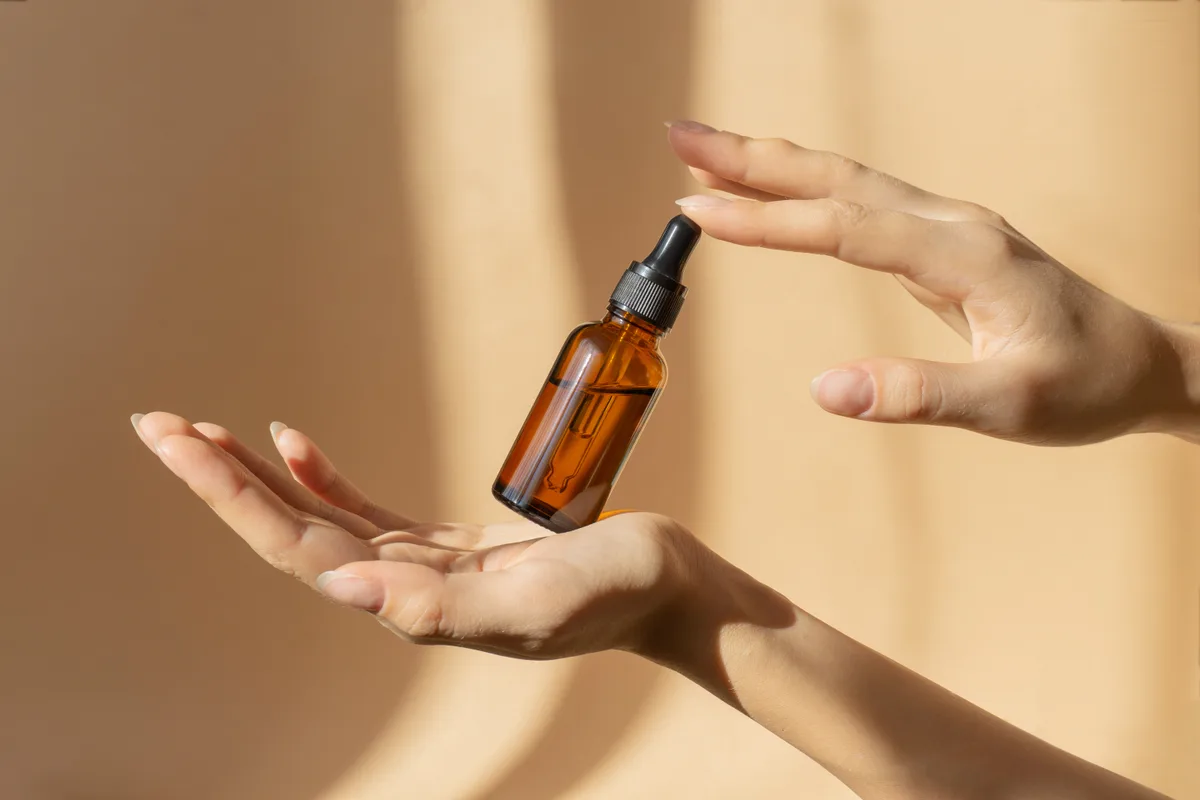
A bulk massage oil supplier is really a bulk carrier-oil supplier — spas, clinics and independent practitioners buying by the case are almost always looking for a light, mostly scent-neutral base oil in volume, not a specialty blend. Levant Direct supplies several of these carrier oils through El Captain (Cap Pharm) of Cairo, part of a wider 73-oil natural oils range quoted case by case.
This guide covers which oils in our range work as a massage-practice carrier, how to compare texture and character between them, and how to order in the volumes a working practice actually uses.
None of what follows should be read as treatment advice. We supply the oils; how a practice incorporates them into a session is a professional decision for the practitioner, governed by their own training and regulatory body rather than anything printed on a product label.
What a spa or clinic looks for in a bulk carrier oil
The practical requirements are consistent across the trade: a light, easy-glide texture that doesn't leave a heavy residue, a mild or neutral scent that won't compete with essential-oil blends added separately, and a case format that matches actual throughput rather than forcing a practice to over-order.
None of the oils below are marketed by us as therapeutic or treatment products — they're natural carrier oils sold on texture, origin and traditional use, the same register the rest of our natural-oils range uses.
Cost predictability matters too for a practice ordering monthly rather than per treatment. Buying a named carrier oil by the case from one supplier, rather than smaller bottles from a general cosmetics wholesaler, tends to be the more consistent route once a practice's usage settles into a regular pattern.
Carrier oils in our range, compared
Texture and traditional character, not efficacy, are what separate one carrier oil from another for practice buyers choosing between them.
| Oil | Texture | Note for practice buyers |
|---|---|---|
| Sweet almond oil | Light, smooth glide | The most familiar, widely stocked carrier oil in the category |
| Jojoba oil | Light, closer to a liquid wax | Often chosen where a longer shelf life at room temperature matters |
| Grape seed oil | Very light, fast-absorbing | A common pick for practitioners who prefer a less oily finish |
| Apricot oil | Light, similar to sweet almond | An alternative for clients avoiding tree-nut-adjacent products |
Ordering bulk carrier oil for a practice
Case counts and bottle sizes vary across the range rather than following one fixed format, so the practical first step is a quote-based inquiry: list the oils and volumes your practice actually uses in a month or a quarter, and the quotation will confirm exact formats alongside pricing. Samples across two or three carrier oils can usually be requested on the same inquiry before you commit to a full case.
Practices switching from a generic drugstore-brand carrier oil to a named, origin-stated supply often start with one or two oils rather than the full table above — sweet almond as the familiar default, jojoba if room-temperature shelf life is a priority — and expand once they've confirmed client response.
Larger clinics running several treatment rooms sometimes standardize on a single carrier oil across the whole practice for simplicity, ordering it in a heavier case count, while boutique or single-practitioner studios are more likely to keep two or three on hand and choose per client. Either approach quotes the same way — by listing what you need on one inquiry.
Cosmetic language for a spa or clinic shelf
Carrier oils sold into this category stay on the cosmetic side of Canada's rules as long as marketing describes texture, origin and traditional use rather than a therapeutic outcome. "A light carrier oil traditionally used in massage practice" is accurate and safe; "relieves muscle tension" or "reduces inflammation" moves toward a health claim that would require Natural Health Product licensing (Health Canada cosmetics).
This is general guidance, not legal advice — confirm specific wording for client-facing materials or intake forms with Health Canada if there's any doubt. Our broader notes on this line are in natural oils for wellness retail, claims done right.
A note on scent and essential-oil blending
The oils in this range are natural, cosmetic-grade carrier oils, not certified aromatherapy-grade essential oils, and we don't sell them positioned as an essential-oil line. A practice that blends its own scent program adds concentrated essential oils separately, from whatever supplier it already trusts for that specific product category, into one of these neutral carriers.
Keeping that distinction clear in your own purchasing and labeling avoids a mismatch between what a carrier oil is and what a client might expect from a specifically marketed aromatherapy product.
It's also worth keeping that distinction in your own inventory records — a carrier oil and an essential oil are priced, cased and used completely differently, and conflating the two on a purchase order is a common source of confusion for a practice ordering both from separate suppliers.
Related questions
Can I say a carrier oil relieves muscle tension or pain?
No — that's a therapeutic claim tied to a specific condition, which moves a cosmetic product toward Natural Health Product territory and its own federal licensing. Describe texture and traditional use instead.
What's the difference between sweet almond and jojoba oil for massage?
Both are light carrier oils; sweet almond is the more familiar default across the category, while jojoba is often chosen for its longer shelf stability at room temperature. Neither is marketed as more effective than the other.
Can I get samples before ordering bulk carrier oil?
Yes — samples across a few oils can typically be requested on the same inquiry as your main order. See can you get samples before a bulk order.