For Restaurants & Cafés
Catering size spices: buying spice formats built for volume service
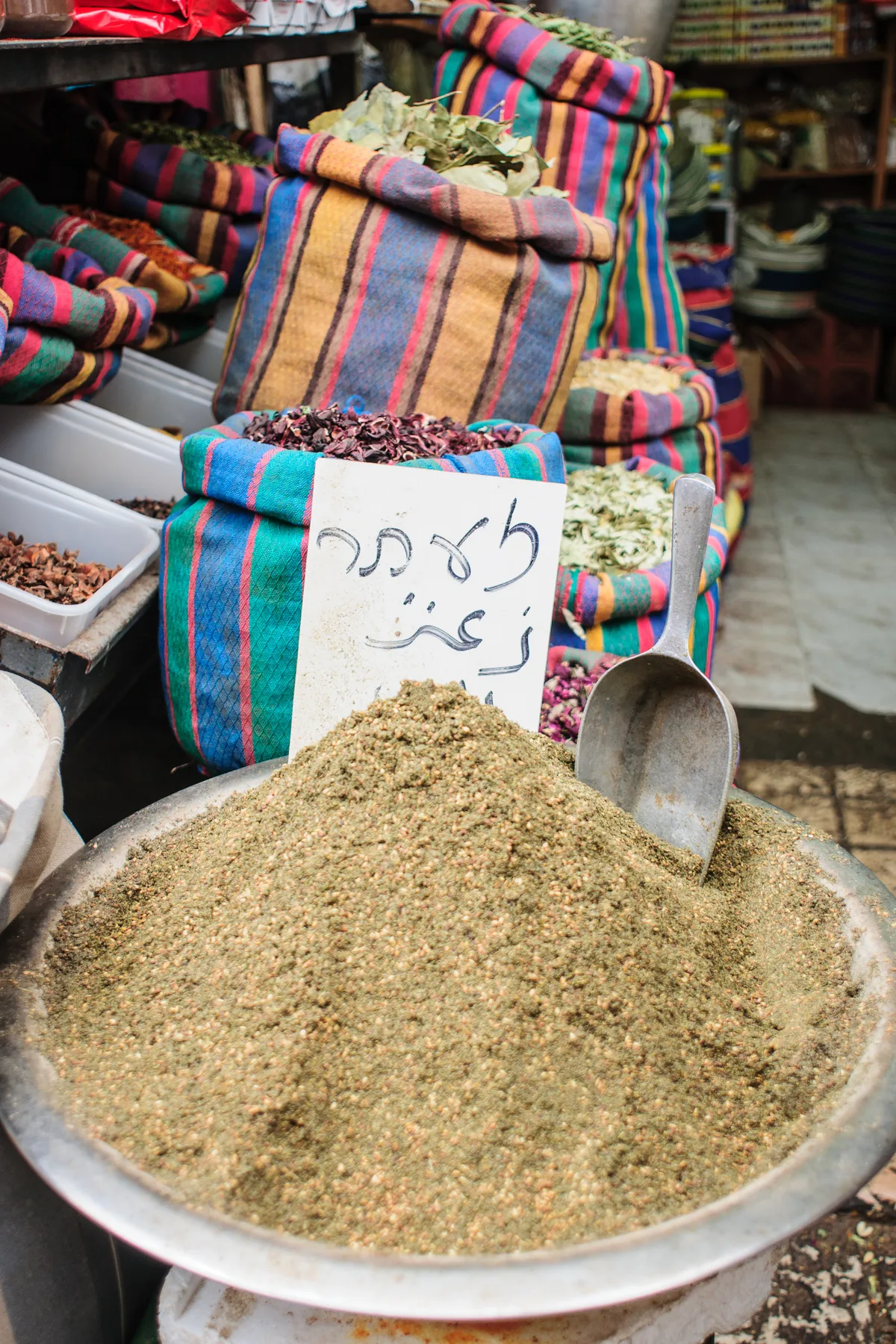
"Catering size" describes a spice format built for a kitchen that seasons dozens of portions in a single batch rather than a single plate — a bag or case sized so a caterer, banquet kitchen or high-volume grill isn't reordering mid-event. It's a step up from the 1kg format an independent kitchen typically works from, and the honest answer on exact weights is the same one we give across this catalogue: format and case count are confirmed on your quotation rather than fixed on a generic product page, because they genuinely vary by spice and blend.
This guide covers what caterers actually need at volume, how to plan a catering-size spice order around your event calendar, and how the quote works once you know what you want.
What "catering size" solves that a retail jar can't
Batch cooking punishes inconsistency — the third tray of shawarma should taste identical to the first, and a kitchen re-measuring from a small jar every hour is where that consistency breaks down. Catering-size buying is really about two things at once: enough volume that a kitchen isn't rationing a spice mid-service, and a single, pre-milled batch so every tray draws from the same blend rather than a slightly different one each time it's remixed by hand.
That's why caterers lean on blends more than single spices at this scale. Chicken shawerma spices and beef shawerma spices keep marinades identical across every batch; Kabsa Spices does the same for rice trays run at volume. The reasoning is unpacked fully in shawarma spice blends, explained.
Supporting singles matter at volume too, even where blends do the heavy lifting. Ground cumin, allspice and black pepper get pulled out for last-minute adjustment on a rice tray or a marinade that's running a shade flat, and a caterer working several stations at once — grill, rice, mezze — usually keeps a small bench of singles beside the pre-milled blends rather than relying on blends alone. Buffet and banquet-hall service adds a second wrinkle: the same trays get refilled through a long service window, so a catering-size bag needs to outlast the event, not just start it.
Planning a catering-size order against the event calendar
A catering kitchen's spice usage isn't steady — it spikes around weddings, corporate functions and the Ramadan-to-Eid season, then drops between bookings. The working discipline is to hold a modest pantry between jobs rather than reorder for every event: because spices are shelf-stable, a catering-size bag bought ahead of a busy month carries almost no waste risk, and it means a last-minute booking doesn't turn into a spice emergency.
Catering Levantine menus: a bulk planning guide covers this station by station — mezze, grill, rice and dessert — and is the fuller planning pillar this page sits underneath; this page is specifically about the spice side of that plan.
Confirming the format on your quotation
We don't publish one fixed "catering size" weight across all 53 listings in the spices category, because the right size for a shawarma blend and the right size for ground sumac aren't the same. What we can tell you plainly: state the volume you actually run — portions per event, events per month — in your inquiry, and the quotation will confirm what case format and weight genuinely fit that scale, rather than guessing from a website spec.
What wholesale case sizes actually mean explains why this category runs on confirmed quotations rather than published specs, and mixed pallet vs full-case orders covers the next question most catering buyers ask once volume is settled — whether to consolidate spices onto the same delivery as everything else on the menu.
Storage and rotation at catering volume
Volume only saves a caterer money if none of it goes stale between bookings. Keep master bags sealed, decant working amounts into station containers for the event, date every bag on arrival, and rotate first-in-first-out against your event calendar rather than your delivery calendar — the bag bought for a slow month should be used before the one bought for a busy one. Storing bulk spices in a restaurant kitchen covers the full routine, and portion control for bulk ingredients applies the same discipline to keeping cost per plate predictable across an event.
A rough rule of thumb worth keeping in the kitchen: buy a catering-size bag you can reasonably work through in two to three months, even accounting for the slow season between bookings. Ground spice fades in aroma well before it becomes unsafe, so the risk of buying too large isn't a food-safety one — it's a flavour one, and a flat blend on a busy event is a worse outcome than reordering a little more often.
When 1kg is enough, and when it isn't
Not every catering kitchen needs a jump straight to catering-size formats. A caterer running one or two small events a month may be better served by the 1kg bag format most independent kitchens order from — it's a smaller commitment and easier to rotate through fully between jobs. The catering-size step up makes sense once a kitchen is running several events a month, cooking for banquet-hall numbers, or supplying a fixed buffet program where a bag needs to last a whole service window rather than a single tray.
Related questions
What does "catering size" mean if there's no fixed weight listed?
It describes a format built for volume rather than a specific number — bigger than the 1kg bags an independent kitchen typically orders, sized to your actual event volume. Tell us portions per event and events per month in your inquiry and the quotation confirms the right format.
Should a caterer buy pre-milled blends or single spices at volume?
Blends, for anything that needs to taste identical batch after batch — shawarma marinades and rice-tray seasonings especially. Single spices still make sense for adjustment and finishing, bought at the same catering scale.
How far ahead should catering-size spice orders go in?
Weeks ahead of a known busy season, not days before an event. Because spices are shelf-stable, ordering ahead of a Ramadan or wedding-season peak carries little risk, and it protects you from being caught short when everyone else's orders land in the same window.