Sourcing & Wholesale
Spices in 1kg bags: what the format means for a kitchen or shop, and how to order it
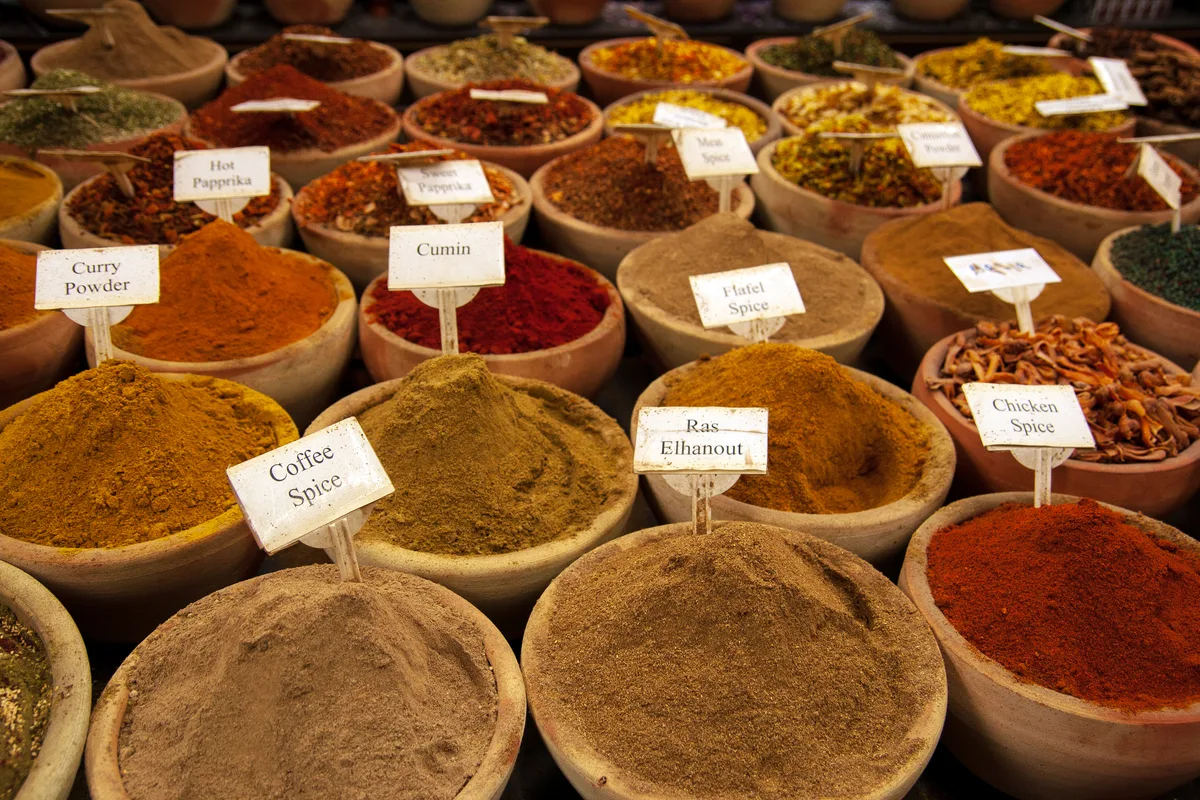
A 1kg bag is the middle format in wholesale spice buying: heavier than a retail jar, which typically holds well under 200 grams, and lighter than the multi-kilogram sacks a busy commissary moves through in a week. It's the increment independent kitchens, bakeries and small grocers ask for, because it's worth ordering by the case without demanding walk-in storage or a full-time spice room. Our range comes from AbdulRahim Mills — 53 whole and ground listings in the spices category — and, honestly, bag weight and case configuration vary by line and are confirmed on your quotation rather than fixed in a generic catalogue description; the one product currently listed explicitly at bulk weight is sumac.
This guide explains what the 1kg increment is actually for, how it compares to the formats around it, and how to build an inquiry that gets you a straight answer on what's available at that weight.
Why 1kg sits between retail and full-sack buying
Retail spice jars exist to sit on a shelf and look good — they're priced and packed for a home cook buying one recipe's worth. Full institutional sacks, at the other end, exist for a commissary or a manufacturer running one spice through a production line for weeks. A 1kg bag is neither: it's a working kitchen's unit, sized so a line cook can lift it one-handed, decant it into a smaller container for the station, and reorder before the bag runs dry rather than after.
That makes it the natural request for a shawarma counter buying blend by the bag rather than the drum, a bakery dosing mahlab or aniseed into batches, a small grocer stocking a spice wall in refillable bins, or a home-meal-kit or spice-blending business testing a new line before committing to a full sack. None of those buyers need a pallet; all of them outgrow a retail jar within a week.
What a 1kg order typically covers, spice by spice
The working spice rack breaks into a handful of groups, and 1kg is a realistic order size across most of them — a bag lasts a small kitchen weeks on a workhorse line and covers a single production run for a bakery.
| Group | Examples | Typical buyer at this weight |
|---|---|---|
| Shawarma & meat blends | Chicken shawerma spices, beef shawerma spices, meat spices | Independent shawarma shops and grills |
| Rice & stew blends | Kabsa spices, mixed spices (baharat) | Small restaurants, catering kitchens |
| Ground singles | Ground cumin, ground coriander, black pepper | Every working kitchen; small grocers |
| Baker's aromatics | Mahlab, ground mahlab, aniseed, cinnamon | Bakeries and sweets producers |
| Souring & heat | Sumac (available in bulk), chilli pepper, paprika | Grills, fattoush programs, retail bins |
Confirming exact weights and case counts
We'd rather be precise than convenient here: we don't publish a single universal bag weight across all 53 spice listings, because pack formats genuinely vary line by line. Sumac is the one product our catalogue explicitly notes as available in bulk; for everything else, the honest answer is that bag weight and case count are confirmed on your quotation, not guessed at from a generic product page.
The fix is simple — say '1kg format' against the lines you want when you build your inquiry, and the quotation comes back stating what's genuinely available at that weight and what the case count looks like. That's the same logic behind what wholesale case sizes actually mean: formats are a quotation question in this category, not a website spec sheet.
Storage once the bag is open
A 1kg bag only pays for itself if the last handful is as good as the first. Keep the master bag sealed between uses and decant a small working amount into a station container — heat and steam near a stove do more damage to ground spice than time alone. Store the bag itself cool, dry and out of direct light, date it on arrival, and work first-in-first-out against your last order rather than digging to the back of the shelf. The full storage routine, including how to tell fading flavour from a genuine safety issue, is in how to store bulk spices in a restaurant kitchen and do spices expire?.
For a kitchen or shop planning a broader spice program rather than a single reorder, bulk Levantine spices for Toronto kitchens maps the full working rack, and catering size spices covers the next format up when a 1kg bag stops being enough.
Related questions
Do all your spices come specifically in 1kg bags?
Not as a universal specification — bag weight and case configuration vary by line, and sumac is currently the only product listed explicitly as available in bulk. State '1kg format' against the lines you want in your inquiry and the quotation will confirm exactly what's available.
Is a 1kg bag enough for a small restaurant, or only worth ordering for a big kitchen?
It suits small and independent kitchens well — heavy enough to be worth a case order, light enough to store and rotate without a walk-in pantry. Many of our smallest wholesale buyers order at exactly this scale.
Should I order whole or ground spices at the 1kg format?
Order ground for anything a kitchen turns over within a couple of months, since ground spice fades faster once opened. Order whole where the format serves you directly — cardamom pods for coffee, cinnamon sticks for braises — and grind or toast to order if you have the labour for it.