For Restaurants & Cafés
A food truck supplier in Toronto for the shawarma and falafel pantry
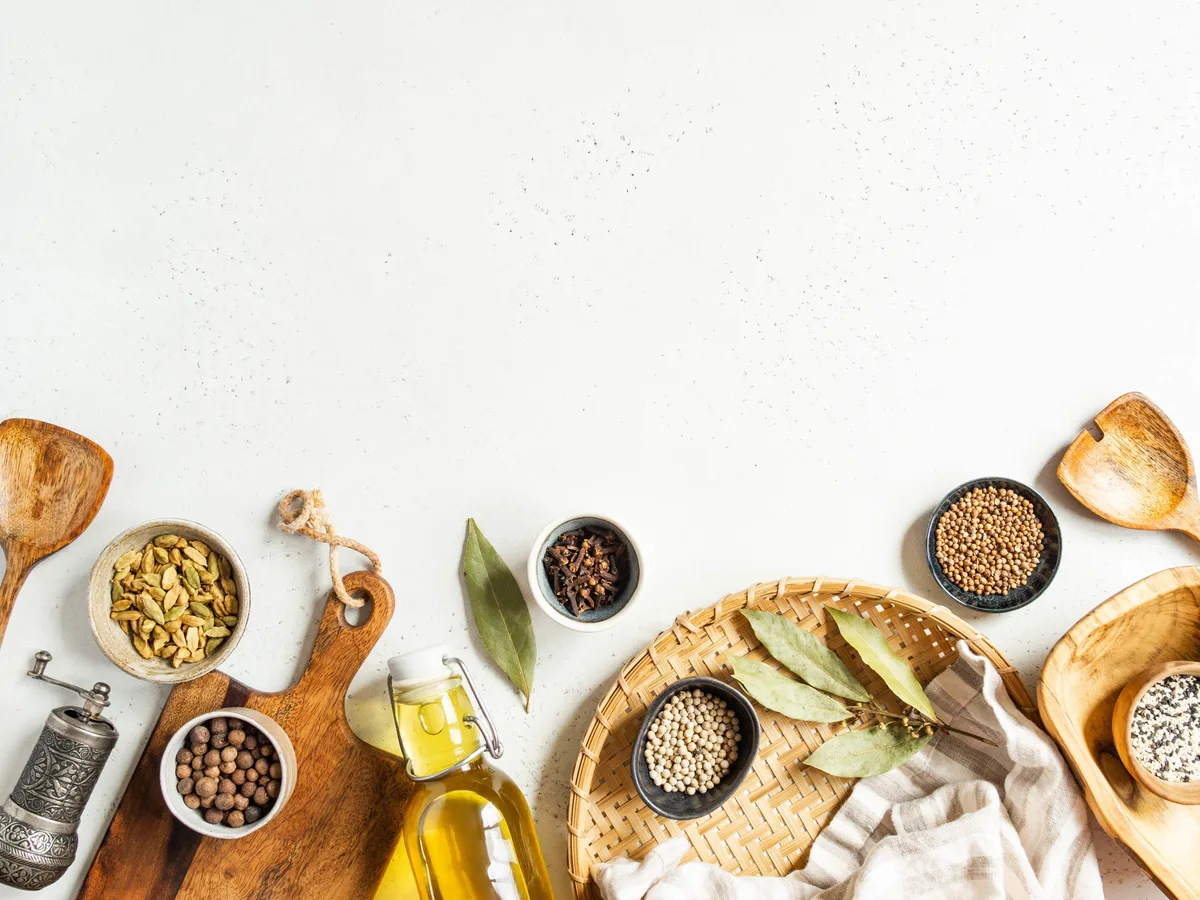
A Toronto food truck running a shawarma, falafel or wider Mediterranean street-food menu needs a supplier whose formats fit truck-sized storage: shelf-stable spice blends instead of a fresh-mixed batch made daily, jarred and tinned pickled lines that don't need refrigeration until opened, and case counts that don't assume a walk-in cooler down the hall.
This is the mobile-kitchen companion to shawarma shop supplies in Toronto, which is written for brick-and-mortar shops with more storage to work with. A truck's constraints are tighter and its priorities are different — shelf stability first, case size second — and this page is built around that.
Toronto's food truck scene leans heavily on exactly this kind of menu — shawarma, falafel and their Mediterranean street-food relatives travel well because the core flavours come from a spice blend and a handful of pickled toppings rather than from anything that needs a full line kitchen behind it. That makes sourcing simpler than it looks, provided the supplier's formats actually match the truck rather than a restaurant's.
Below: what actually fits a truck's storage, the pantry line that covers it, how to size case counts against a small footprint, and how the same sourcing scales if the truck becomes a fleet.
What fits a truck's storage
The single biggest constraint on a truck kitchen is that almost nothing can depend on cold storage until it's opened. That rules out fresh-mixed spice blends made to order and points straight at shelf-stable, pre-blended lines instead — a shawarma spice blend that's the same jar every prep, not a recipe mixed fresh each morning. Jarred and tinned pickled goods work the same way: unopened, they sit at ambient temperature on a shelf or under a counter, and only need cold storage once a jar is cracked for service.
The second constraint is simply footprint. A truck's dry storage is measured in shelves and under-counter bins, not a stockroom, so a supplier whose smallest unit is built for restaurant volume forces a truck operator to either overbuy or work with a middleman splitting cases down — neither of which is necessary when the base case counts already suit a smaller kitchen.
The pantry line
Three categories cover most of a shawarma or falafel truck's pantry needs, all in shelf-stable, case-based formats.
| Category | Example SKUs | Role |
|---|---|---|
| Spice blends | Beef shawerma spices, Chicken shawerma spices, Meat spices | Pre-blended, consistent from batch to batch, no fresh mixing needed on the truck |
| Pickled lines | Zer Sliced Black Olives, Zer Sliced Green Olives, Caper | Jarred, shelf-stable unopened; a garnish and topping station in a few jars |
| Sauce base | Zer Tomato Paste (tin), Lio Tomato Paste (glass) | Base for sauces and marinades; both formats are shelf-stable and case-packed |
Ordering for a small, mobile kitchen
Case sizes matter more on a truck than almost anywhere else in foodservice, because there's simply less room to store a case you're not moving through quickly — what wholesale case sizes actually mean is worth reading before your first order so the counts match your storage, not just your menu. Storing bulk spices in a restaurant kitchen applies just as well to a truck's tighter footprint — cool, dry, sealed, and rotated on a first-in-first-out basis.
A useful rule for a first-time truck order: buy the smallest case count of each line that still clears a typical week of service, confirm it fits your actual storage before committing to a bigger order, and only scale up once you know your sell-through rate on the road. Weekend-heavy schedules and festival circuits draw down stock faster than a steady five-day location, so match the reorder cadence to your actual route rather than a generic restaurant schedule.
Growing from one truck to a fleet
The ordering pattern that works for a single truck scales cleanly if you add a second or third: the same shelf-stable lines, ordered in larger case counts on the same reorder cadence, without switching product or supplier. How reorders work covers the mechanics once you've settled on a base pantry line. If your concept eventually opens a fixed location alongside the truck, shawarma shop supplies in Toronto and the falafel restaurant pantry are the brick-and-mortar equivalents.
Running a fixed location and one or more trucks under the same brand doesn't require separate supplier relationships either — a single inquiry can list quantities against each service point, and delivery is scheduled per location on the same quotation. That keeps purchasing simple even as the operation grows past a single vehicle.
Related questions
Do these products need refrigeration before opening?
No. Spice blends, jarred olives, capers and tomato paste are all shelf-stable unopened and only need cold storage once a container is opened and in active use.
Can I order smaller case counts sized to one truck?
Case format is the working unit, and the formats above are already sized for smaller operations — see what wholesale case sizes actually mean before your first order to match counts to your storage.
How is this different from a shawarma restaurant supplier?
The products overlap heavily, but this page prioritizes shelf-stable formats and smaller storage footprints. Shawarma shop supplies in Toronto covers the same category for a fixed location with more room.
Can one supplier serve both a truck and a fixed location under the same brand?
Yes — a single inquiry can list quantities against each service point, with delivery scheduled per location on one quotation, so growth past a single truck doesn't mean a new sourcing relationship.