For Restaurants & Cafés
Pizzeria supplies in Toronto: the olive and tomato paste side of the pass
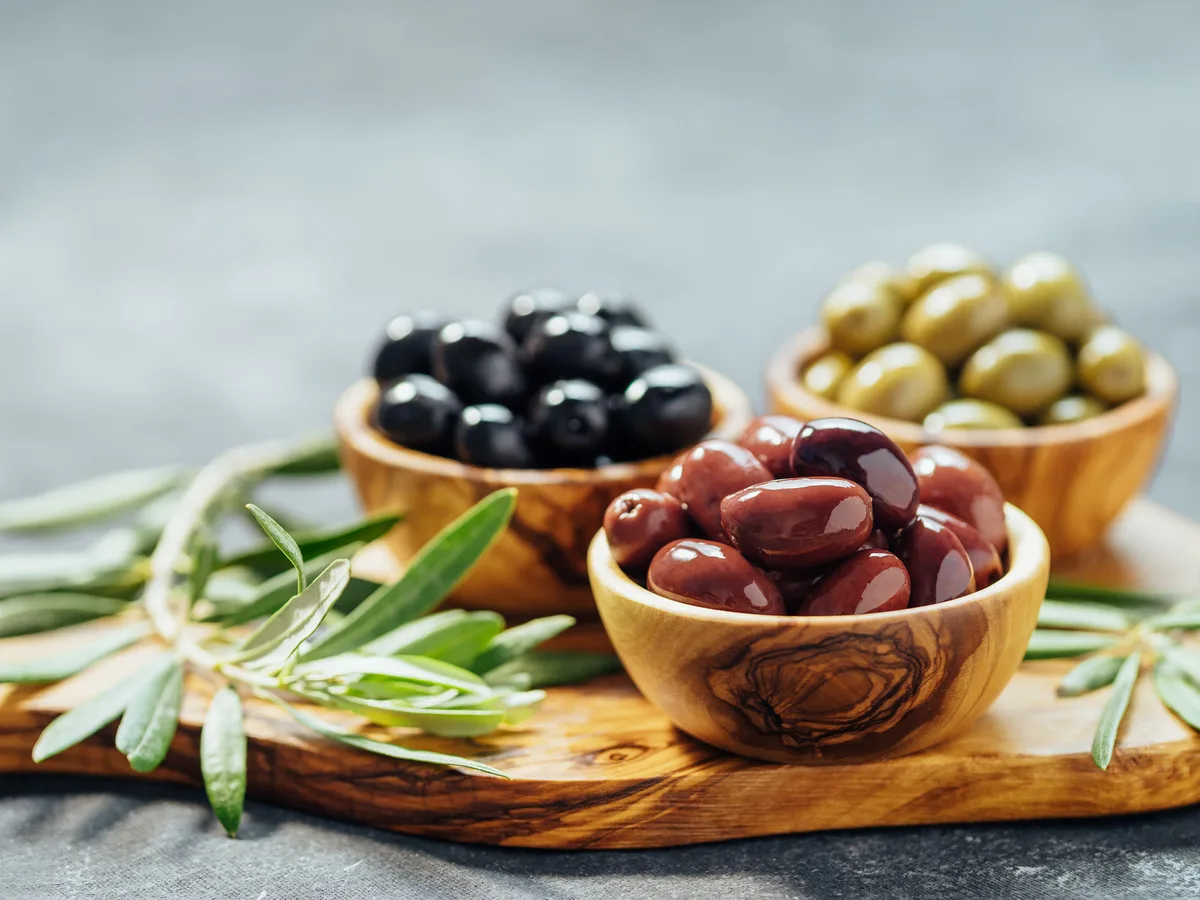
A Toronto pizzeria sourcing sliced olive toppings and a tomato paste base can buy both from the same Levantine and Anatolian supply chain that stocks Middle Eastern restaurants across the city — Zer's sliced black and green olives out of Gaziantep for the topping station, and tomato paste in either glass or tin for the sauce, depending on how your kitchen prefers to store and portion it.
Whether or not your kitchen already sources other lines from a Levantine supplier, these two categories travel well together in one order: pre-sliced olives save prep labour at the topping station, and a consistent tomato paste base keeps sauce flavour steady batch to batch. It's also a smaller supplier list to manage than sourcing olives from one distributor and paste from another — both come from the same catalogue, quoted together.
Below: the olive formats that suit a topping station, glass versus tin for tomato paste, why some kitchens build sauce from paste rather than buying pre-made sauce, and what rounds out the order.
Sliced olives for the topping station
Zer Sliced Black Olives and Zer Sliced Green Olives ship pre-sliced in 370 cc glass jars, twelve to a case — ready to portion straight onto a pie without a prep step in between. Pre-sliced format matters more than it sounds for a busy pass: whole olives sliced in-house add a labour step and inconsistent piece size, where a jar gives you the same slice every time.
Stocking both colours rather than just one gives a menu two distinct topping options from a single supplier — black olives for a classic supreme-style pie, green for a sharper, brinier note on a Mediterranean or Greek-style build. Both ship in the same jar format and case count, so adding the second colour to an existing order doesn't complicate storage or portioning.
Glass jars also mean the topping station can see remaining stock at a glance during a rush, which matters more on a busy Friday night pass than it sounds — a cook reaching for the last jar knows to flag it before the next delivery, rather than discovering an empty shelf mid-service.
Tomato paste: glass or tin
Both formats are in the catalogue and the choice generally comes down to kitchen preference and storage rather than one being objectively better.
| Product | Format | Consideration |
|---|---|---|
| Zer Tomato Paste | 400 g tin (x24) | Compact case footprint; tin doesn't break if dropped |
| Lio Tomato Paste | 360 g glass (x12) | Reusable jar; easier to see remaining product at a glance |
Building sauce from paste rather than buying it ready-made
Many independent pizzerias build their sauce from a concentrated paste rather than a pre-made canned sauce, because it puts salt level, thickness and seasoning fully in the kitchen's control rather than locked into a formula from a can. A paste base also stores in a smaller footprint than the equivalent volume of finished sauce, which matters in a compact kitchen where every shelf is already spoken for.
The tradeoff is a small prep step — thinning and seasoning the paste into sauce — that a ready-made product skips. For a kitchen already running other prep from scratch, that step is negligible; for one built entirely around convenience products, it's worth weighing against the consistency and storage gains.
Case economics favour paste too: a case of concentrated paste covers considerably more finished sauce by volume than a case of pre-made sauce at the same shelf footprint, since water is added back at the point of use rather than shipped and stored along with the product. For a kitchen paying close attention to storage per delivery, that's a real difference over a month of ordering.
Rounding out the order
A full comparison of glass versus tin for the trade — including recycling, storage life and case economics — is in tomato paste: glass jars vs tins for the trade. For heat, crushed red pepper in the Levantine kitchen covers a jarred chili option that works as a finishing condiment. And if your pizzeria also runs olive oil through the kitchen for dressing and finishing, Levantine olive oil by the case for restaurants covers that line separately.
A pizzeria menu that leans further into Mediterranean flavours — feta, dried oregano-adjacent herbs, a heavier olive oil finish — draws on much the same pantry as a Greek kitchen; Greek restaurant supplies in Toronto covers that overlap in more depth if your concept sits closer to that end of the menu.
Related questions
What olive format works best for pizza topping?
Pre-sliced, in glass — Zer's sliced black and green olives ship ready to portion, which saves a prep step versus buying whole olives and slicing in-house.
Glass or tin tomato paste for a pizzeria?
Both work; tin has a smaller case footprint and won't break, while glass lets you see remaining product at a glance. Tomato paste: glass jars vs tins for the trade covers the full comparison.
Can I add crushed red pepper and olive oil to the same order?
Yes — a mixed inquiry covering olives, tomato paste, crushed red pepper and olive oil together is the normal way to order and quotes as one request.
Why build sauce from paste instead of buying ready-made sauce?
Paste keeps salt, thickness and seasoning fully in the kitchen's control and stores in a smaller footprint than finished sauce, at the cost of a small thinning-and-seasoning prep step.