Sourcing & Wholesale
Green Olives in Brine, Bulk: Salkini Jars
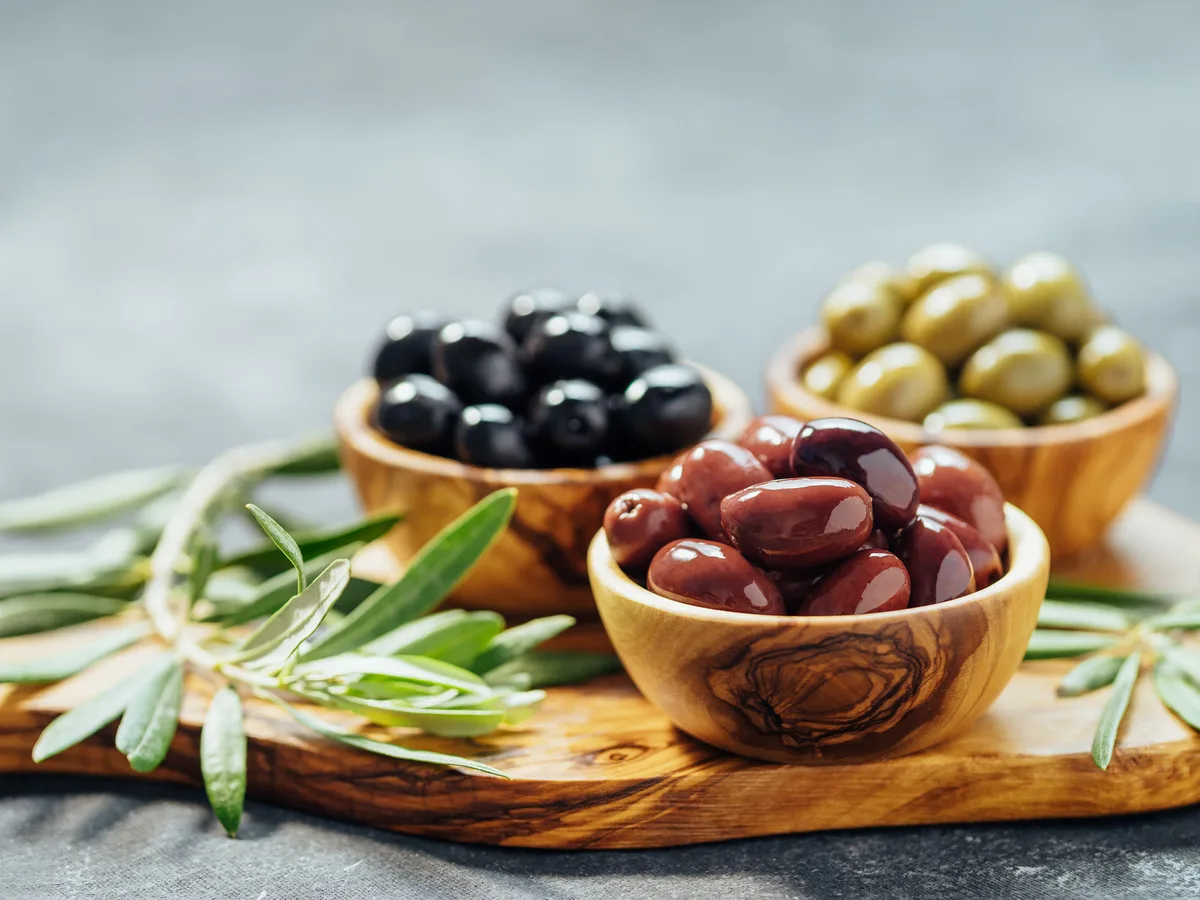
Green olives in brine, bought in bulk, means whole olives packed in liquid brine rather than sliced or pitted — and in our catalogue that's specifically the Salkini variety from Lio, Syrian olives packed in glass up to 2.9 kg, alongside Zer's sliced green olives for kitchens that want the prepped format instead.
This page is about the whole-olive, bulk-brine format specifically. For the wider stocked-lines comparison across black and green, glass, tin and vacuum, see wholesale olives from the Levant and Anatolia; for the sliced format used on a working line, see sliced black olives for foodservice.
What "Salkini" means, and why the variety is named on the jar
Salkini is a named olive cultivar, called out specifically on Lio's own label rather than left as a generic "green olives" description — worth knowing because most green-olive listings in this category don't name a variety at all. Black versus green isn't itself a variety distinction (it's a ripeness stage — see our Levantine olives guide for that broader point); Salkini is the specific cultivar behind this particular green jar.
The bulk glass formats: 1.3 kg and 2.9 kg
Both are genuine catering and deli-counter formats, well past the smaller jars most single-product olive listings focus on — worth flagging for a buyer provisioning a counter display or a kitchen rather than a retail single-serve shelf.
| Format | Case |
|---|---|
| 1300 g glass | x6 |
| 2900 g glass | x4 |
Whole vs. sliced: when bulk-brine whole olives are the right call
Whole olives in a large jar suit a deli counter wanting visible product for scooping or a mezze presentation where whole olives are the expected format. Zer's sliced green olives — in 370 cc glass jars or tins — suit a kitchen portioning for a prepared dish, salad bar or pizza topping instead. Sliced black olives for foodservice covers that prepped-format side in depth if that's closer to your use case.
Handling brine at this scale once a jar is opened
A 2.9 kg jar holds a lot more volume than a small retail jar, which changes the handling math: it takes longer to work through, so keeping the remaining olives fully submerged in brine and refrigerated between uses matters more, not less, at this scale. Dedicate a clean utensil to the jar rather than dipping in and out with different tools across a slower-turnover container, and top up with fresh brine only if the level drops below the olives — never leave product exposed to air for an extended period.
For a deli counter working directly out of the jar through a service day, decanting a working portion into a smaller container for the counter and keeping the main jar refrigerated in the back is a more practical routine than repeatedly opening and resealing the full 2.9 kg jar in a front-of-house fridge. It also limits how many hands are dipping into the primary stock.
Ordering bulk green olives
Bulk green olives consolidate naturally into a wider olive program order alongside black olives and other preserved lines — one inquiry, one quotation. See how inquiry-based ordering works for the mechanics.
A deli or grocer starting an olive program for the first time often begins with one bulk green format and one bulk black format side by side, expanding into sliced formats or additional varieties once the counter or shelf has established which sells through fastest. There's no obligation to commit to the largest jar on a first order either — the 1.3 kg format is a reasonable way to test demand before scaling up to the 2.9 kg size for an established program.
Related questions
What variety of green olive do you stock in bulk?
Salkini — a named olive cultivar from Lio's Syrian range, packed whole in brine.
What's the largest bulk format available?
A 2.9 kg glass jar, boxed 4 to a case, alongside the smaller 1.3 kg glass jar boxed 6 to a case.
Should I buy whole or sliced green olives for my kitchen?
Whole suits a deli counter or mezze presentation; sliced suits portioning for a prepared dish. See our sliced black olives guide for the prepped-format side.
How should I handle a large jar once it's opened?
Keep the olives fully submerged in their brine and refrigerated between uses, use a dedicated clean utensil, and top up with fresh brine only if the level drops below the olives. At the 2.9 kg scale, decanting a working portion for front-of-house use is more practical than repeatedly opening the full jar.