Soap & Natural Care
Laurel berry oil wholesale: sourcing the oil behind Aleppo soap
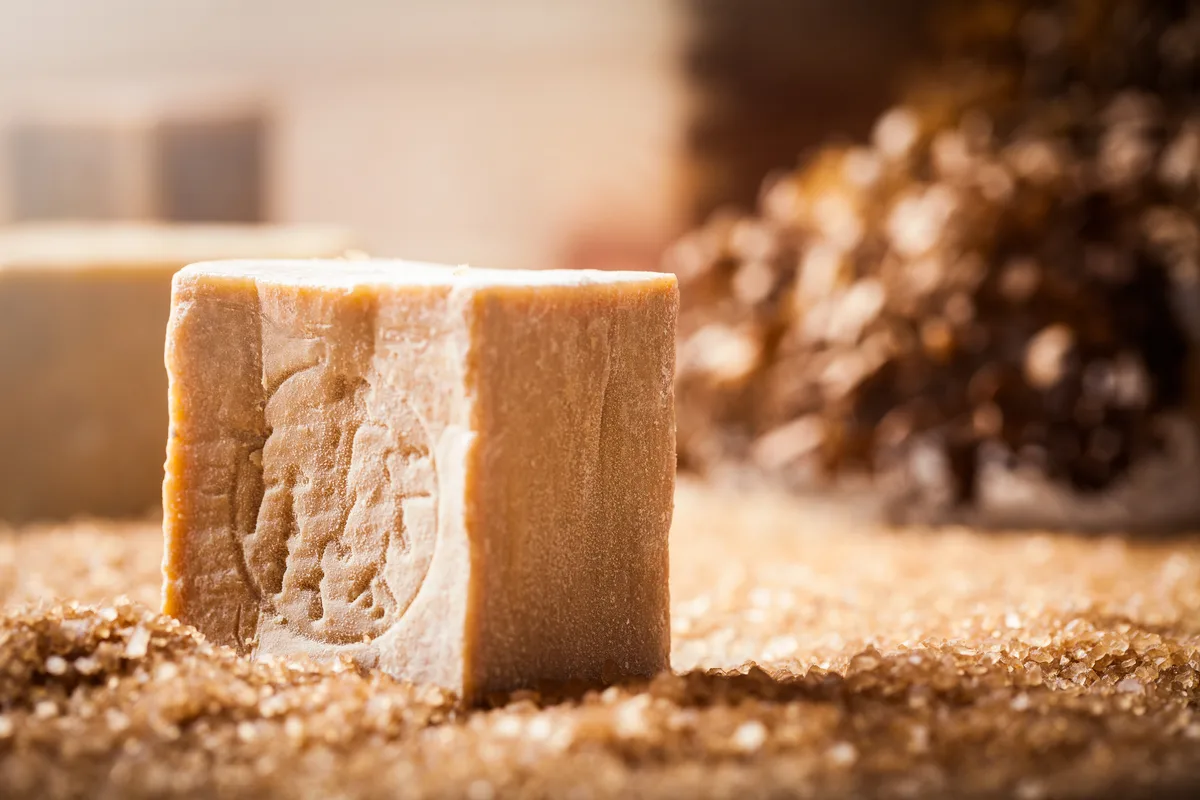
Laurel berry oil — the pressed bay-laurel oil known as ghar in Arabic — isn't something we currently list as a standalone bottled product, but it can be sourced on request through Nader Barakat & Sons, the Aleppo-tradition soap house whose entire 23-bar range is built on exactly this oil. For most wholesale buyers asking about laurel berry oil, the more direct route into the tradition is the finished soap itself, where laurel content is a stated, comparable figure rather than a raw ingredient you'd formulate with yourself.
This guide covers what laurel berry oil is, why it isn't a standing catalogue item, how to source it on request, and the craft it belongs to.
Whether you need the raw oil or the finished soap, the same starting point applies: send an inquiry describing what you're after, and we'll confirm the right route — sourced oil, standing bar, or something quoted specifically for your project.
What laurel berry oil is
Laurel berry oil is pressed from the berries of the bay laurel tree (Laurus nobilis) — a different part of the same plant from the dried laurel leaf used as a cooking herb in stews and rice. Our laurel leaf is that culinary product; laurel berry oil is a separate press entirely, and the two shouldn't be confused when sourcing.
In the Levantine soap trade, laurel oil goes by ghar, worked into an olive-oil soap base at a percentage the producer chooses. There's no official standard for that figure — it's a maker's own declaration, typically ranging from a small percentage in an everyday bar to considerably higher in a premium one.
The oil itself is thick and deep green, with a resinous, herbal scent that carries through into a finished bar — it's the reason a laurel-forward Aleppo soap smells distinct from an olive-only Castile bar even though both start from the same base oil.
Why we don't stock it as a standalone oil — and how to source it
Our Barakat range uses laurel oil as an ingredient inside finished, cured soap bars rather than selling the pressed oil separately. If your business specifically needs the raw oil — for a custom soap formulation, a cosmetic blend, or another use outside soap-making — it can be sourced on request through the same Barakat relationship; this is a quoted, per-project conversation rather than a published catalogue line.
The practical first step is the same as any product not in our visible catalogue: send the request through an inquiry and describe the quantity and intended use. See can you request products not in the catalogue for how that process works.
Expect a sourced-on-request line like this to take longer to quote than a catalogue item, since it involves checking availability and terms with the supplier rather than confirming a case count against a published listing. It's worth building that extra lead time into any project timeline before you commit a recipe or launch date to it.
The tradition it belongs to: Aleppo's Ghar soap craft
Laurel oil is one half of a craft old enough that UNESCO inscribed it on its Representative List of Intangible Cultural Heritage in December 2024: olive and laurel oil brewed together, cut by craftsmen, hand-stamped with a family name, and air-dried for six to nine months — a tradition the inscription describes as running roughly 3,000 years (UNESCO, 2024).
Our full background piece, Aleppo soap: history, craft and the laurel tradition, covers the process end to end, and laurel oil percentages in Aleppo soap, explained walks through how that one variable is judged and compared between bars.
Nader Barakat & Sons, the house behind our Aleppo soap range, has worked in this tradition since 1979, carrying it from Aleppo itself to present-day production in Gaziantep, Turkey — the same laurel-and-olive craft UNESCO recognized, made by a family still practising it.
If you're buying the tradition rather than the raw oil
Most buyers who ask about laurel berry oil are better served by the finished product — a laurel-forward soap like Ghar Kasab, made with virgin olive oil, gives a comparable, labeled laurel percentage without any formulation work on your end. The full range sits under Aleppo soap, quoted the same way as the rest of our catalogue.
If you're sourcing base oils for a wider soap-making program rather than the laurel component specifically, soap making oils bulk covers the carrier and base oils we do stock as standing catalogue items.
Retail buyers building a gift or boutique shelf around Aleppo soap often find the finished-bar route more useful than the raw oil in another way too: a bar with a stated laurel percentage and a maker's stamp tells a customer-facing story on its own, where a bottle of raw oil would need explaining from scratch every time.
Related questions
Can I buy laurel berry oil by itself?
It's not a standing catalogue SKU. It can be sourced on request through Nader Barakat & Sons, quoted per project — send quantity and intended use through an inquiry rather than expecting a published listing.
What's the difference between laurel oil and laurel leaf?
Laurel oil (ghar) is pressed from bay-laurel berries and used in soap-making. Laurel leaf is the tree's dried leaves, a culinary herb used whole in cooking — a different product from a different part of the plant.
Is there a standard laurel percentage I should ask for?
No official standard exists — laurel content is a producer's own declaration, and percentages vary widely between an everyday bar and a premium one. See which laurel percentage suits which skin type for how buyers typically compare bars.