Import & Logistics
From Amman, Gaziantep and Cairo: how goods reach the GTA
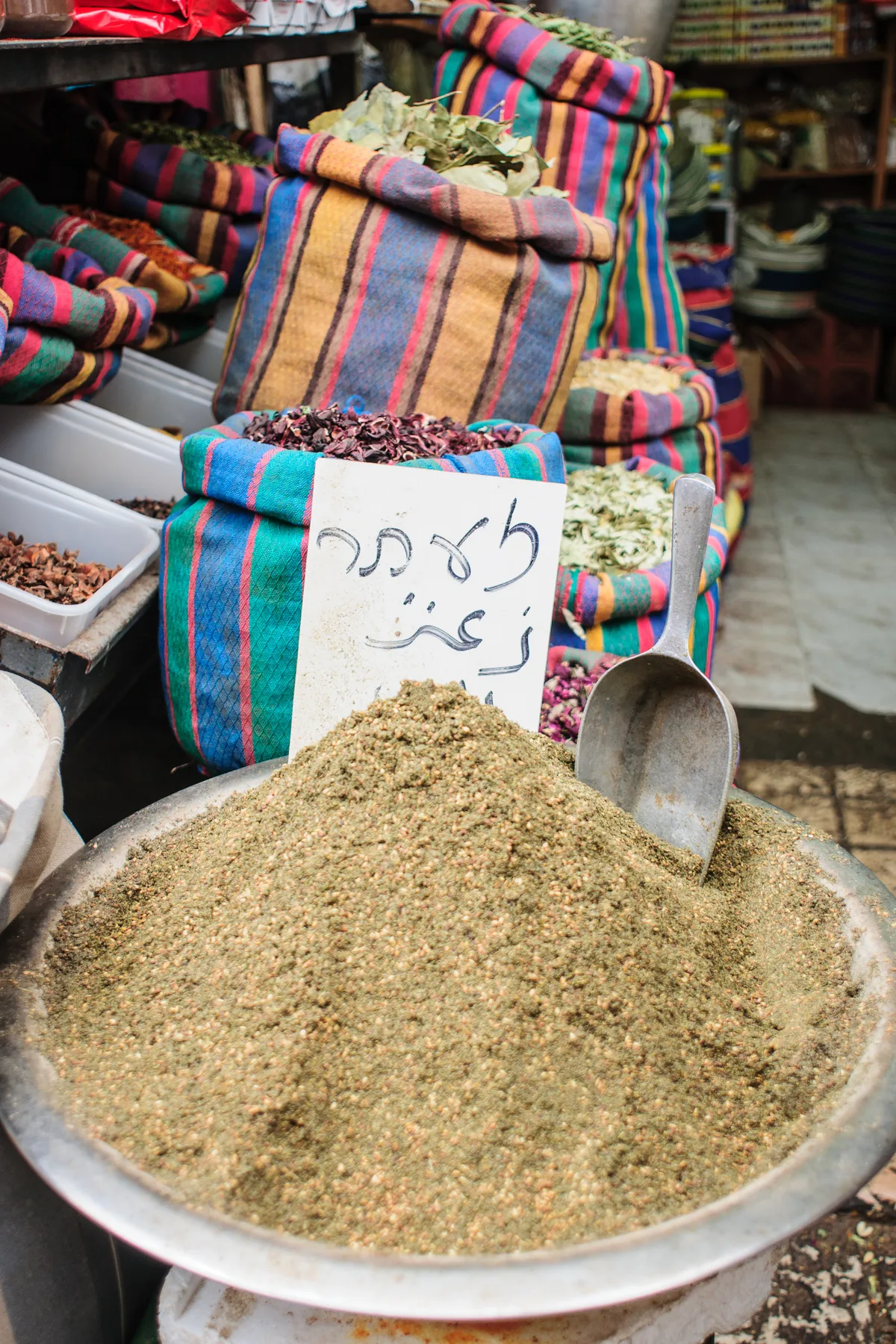
Levant Direct's catalogue is rooted in four countries — Jordan, Syria, Türkiye and Egypt — through ten named supplier houses, and it reaches the GTA the same general way any legally imported food does: produced and packed at origin, cleared through Canadian customs and food-safety requirements under an importer's licence, then warehoused and delivered here by the case. We won't pretend to more precision than that — exact transit times vary by product, season and freight mode, and we'd rather say so plainly than invent a number that sounds more authoritative than it is.
This guide covers the geography and the general shape of the route: where each house is rooted, how a shipment generally moves, and why that geography is worth caring about beyond logistics.
The ten houses, and where they're rooted
Three cities anchor most of the catalogue's origin story, though the full picture runs across four countries.
| Supplier house | Origin | What they bring |
|---|---|---|
| AbdulRahim Mills | Jordan — Palestinian heritage, Amman region | Spices, za'atar-style blends, dried herbs, sumac |
| Ibrahim Srour Est. | Jordan — Damascus tradition | Pistachio halawa |
| Hamdan for Foods | Jordan — Damascus origin | Ma'amoul, barazek, ghraybeh, breadsticks |
| Zer Group | Türkiye — Gaziantep | Olives, pomegranate sauce, tomato paste, dessert creams |
| Lio Food | Syria — Latakia | Olive oil, green olives, cardamom coffee, capers, truffles |
| Noon Foods | Jordan — Amman | Baking powders, dessert mixes, instant soups |
| Nader Barakat & Sons | Türkiye — Aleppo tradition | Laurel (ghar) soap |
| El Captain | Egypt — Cairo | Natural and herbal oils, traditional personal care |
How a shipment generally moves from origin to the GTA
The general shape of the route is the same for any legally imported food: the producer packs to order at origin, export and origin documentation is prepared, the shipment travels internationally by whichever freight mode suits its volume and timeline, and it clears Canadian customs and food-safety requirements under the importer's Safe Food for Canadians licence before moving to a Canadian warehouse (CFIA — importing food). From there, it reaches GTA buyers the way any wholesale order does — by the case, against a written quotation.
We deliberately don't publish specific transit times or shipping schedules on this page. They genuinely vary by product, origin, season and freight mode, and a single number would be more marketing than fact. What we can tell you honestly is that international shipments take real weeks, not days — which is exactly why planning ahead matters more in this category than in a domestic one.
| Stage | What happens |
|---|---|
| Production and packing | The supplier house makes and packs the product to order at origin |
| Export documentation | Origin and export paperwork is prepared for the shipment |
| International freight | Goods travel by whichever mode suits the volume and timeline |
| Canadian clearance | Customs and CFIA food-safety checks under the importer's SFC licence |
| GTA warehousing and delivery | Goods reach buyers by the case, against a written quotation |
Why the route matters for how you plan an order
Because every product on this shelf has already crossed an ocean or a continent before it reaches a GTA warehouse, the categories most affected by seasonal demand — dates around Ramadan, ma'amoul around Eid, Christmas and Easter — need their inquiries in well ahead of the peak, not the week before. Seasonal supply planning covers that rhythm, and mixed pallets and consolidated orders covers how we combine categories into one efficient shipment rather than many small ones.
None of this is unique to us — it's simply what it means to sell goods that are made somewhere specific and shipped from there. The honest version of "supply chain" in this category is geography plus paperwork plus time, not a black box. It's also the reason case-based, quote-first ordering is the norm across this category rather than the exception — see buying Middle Eastern food wholesale in Toronto for how that plays out on the buyer's side.
The producer, not just the port
The reason the geography is worth knowing isn't logistics trivia — it's the product. A Damascus-recipe halawa from Ibrahim Srour Est., an Aleppo-tradition laurel soap from Nader Barakat & Sons and a Gaziantep pomegranate sauce from Zer Group are each the work of a specific place and craft, and naming that origin on every listing is how we keep the tradition attached to the product rather than lost somewhere between the producer and your shelf. Levantine food supplier in Canada goes deeper on how to judge that for yourself.
This page is general guidance on how the import process generally works, not legal or customs advice — confirm specifics that affect your own business with the CFIA.
Related questions
How long does it take for a product to travel from origin to the GTA?
It varies by product, origin and freight mode, and we don't publish a fixed figure because doing so honestly would be more marketing than fact. What's consistent is that international shipping takes real weeks — plan seasonal orders well ahead rather than at the last minute.
Do you import directly, or buy through other Canadian distributors?
Levant Direct works with ten named supplier houses across Jordan, Syria, Türkiye and Egypt. The specific import and logistics arrangements behind any given product are confirmed as part of your quotation rather than published generically on this page.
Does the origin of a product affect when it's available?
Yes — production and harvest cycles at origin, and international freight timing, both affect availability, which is part of why seasonal categories like dates and ma'amoul reward planning several weeks ahead rather than ordering at the last minute. Seasonal supply planning covers the calendar in full.