The GTA Market
The Levantine food economy of Toronto: what the 2021 Census shows about a growing market
Toronto is home to one of North America's largest and most established Levantine and Arabic-speaking populations, and the food economy reflects it directly. The 2021 Census counted 163,405 people in the Toronto Census Metropolitan Area (CMA) who can converse in Arabic — 97,690 with it as a mother tongue, 54,360 speaking it at home, and the remainder able to hold a conversation in it — alongside 626,010 Muslims, about 10.1% of the CMA (Statistics Canada, 2021 Census). Numbers on this scale are why Toronto supports full supply chains for Levantine food — mills, importers, bakeries, restaurants — rather than a handful of specialty shelves.
This guide works through what the census actually documents about the city's Levantine and wider Arab communities — language, reported ancestry, and religious composition — and what it means for anyone sourcing or selling Levantine food in the city. For the two places within the GTA with their own standalone market gravity, see Middle Eastern food trade in Mississauga and Scarborough's Levantine food corridor; this page covers the wider region.
Who makes up Toronto's Levantine food economy: the census numbers
The 2021 Census asked respondents to report their ethnic or cultural origin, and more than one origin per person was allowed — so the figures below are reported-origin response counts, not a headcount of separate, mutually exclusive communities. Read them as a picture of self-identified ancestry, not immigration status or citizenship (Statistics Canada, 2021 Census, Ethnic or Cultural Origin).
| Reported origin | Toronto CMA, 2021 |
|---|---|
| Egyptian | 35,265 |
| Turkish | 28,490 |
| Lebanese | 25,315 |
| Iraqi | 23,330 |
| Syrian | 19,370 |
| Palestinian | 15,330 |
| Jordanian | 4,265 |
| Arab, not otherwise specified | 51,380 |
Muslim population and what it signals for demand
Religious composition matters for foodservice and retail because it shapes halal demand specifically, which overlaps with but isn't identical to Levantine or Arab cuisine generally. The 2021 Census counted 626,010 Muslims in the Toronto CMA, about 10.1% of the population; within the City of Toronto specifically, the Muslim share was 9.6%, up from 6.7% two decades earlier in 2001 (City of Toronto, 2021 Census Backgrounder: Immigration, Ethnocultural Diversity, Mobility, Migration and Religion).
The growth isn't even across the region. Mississauga's Muslim population reached 120,965, about 16.9% of that city — meaningfully higher than the CMA average, which is one reason it carries its own standalone Middle Eastern food trade guide. Certification and stocking questions specific to halal are covered in full in halal grocery wholesale in the GTA.
One further data point, dated deliberately because it isn't a current figure: Nourish Food Marketing's research, as reported by NOW Toronto in October 2019, valued Canada's halal food market at more than a billion dollars, growing 10–14% a year, with 57% of halal shoppers saying mainstream grocery chains weren't meeting their needs (NOW Toronto, 2019). That's a national figure from 2019, not a Toronto-specific or current one, but it's the closest verified market indicator behind the Census numbers above.
Arab and West Asian visible-minority growth, 2016 to 2021
Statistics Canada's visible-minority category tracks a different, narrower slice of the same population. In the Toronto CMA, 129,305 people were counted in the Arab visible-minority category in 2021 — 2.1% of the CMA — up from 105,605 in 2016, a clear five-year increase. A related but distinct category, West Asian, counted 160,330 people; West Asian is not the same grouping as Arab and includes origins such as Iranian and Afghan that sit outside the Levantine and Arab world, so the two figures shouldn't be added together (Statistics Canada, 2021 Census, Ethnic or Cultural Origin).
What the numbers mean for sourcing and stocking
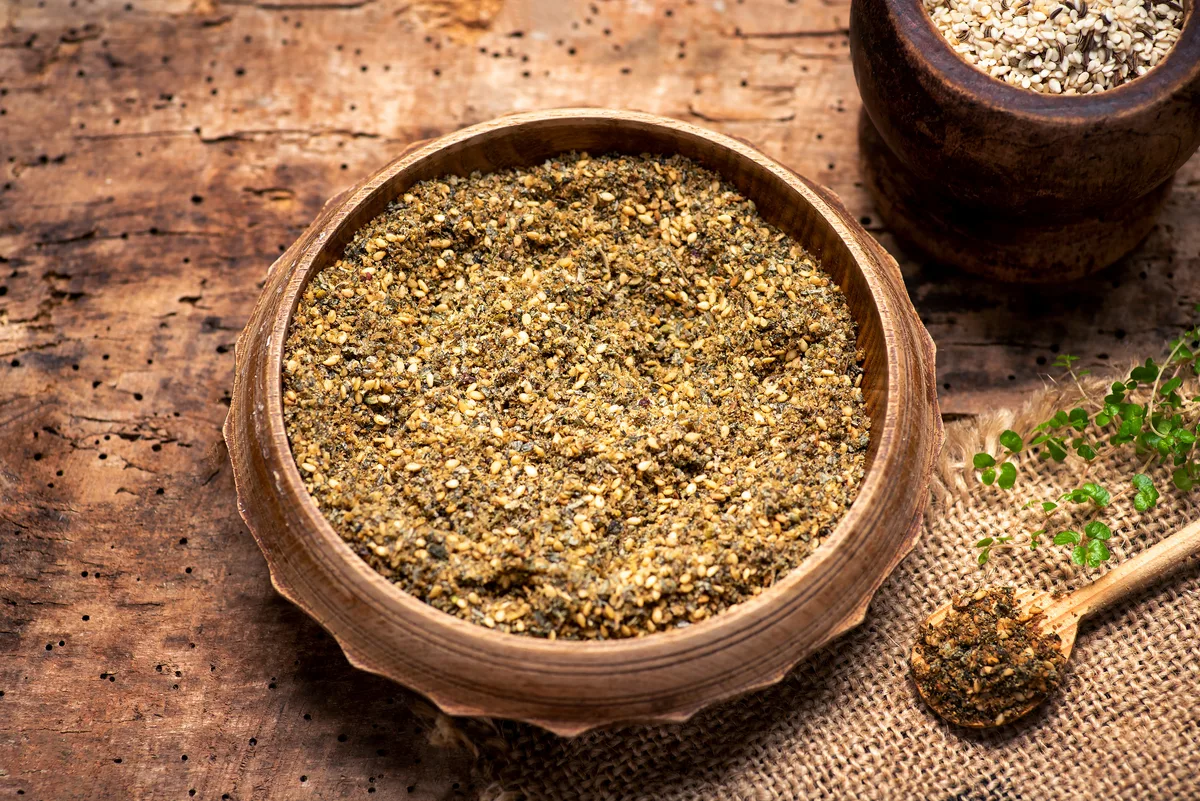
A population this size and this established doesn't want Levantine food occasionally — it expects range and it knows the difference between a blended imitation and the genuine article. That's the demand a full catalogue exists to serve: za'atar milled by a Palestinian-heritage house, the full spices rack including shawarma blends from the same mill, Aleppo soap made in the old tradition, and the pantry staples that stock a Levantine kitchen or grocery shelf.
For restaurants and grocers weighing where in the region to focus, Scarborough's Levantine food corridor and the Mississauga trade guide go deeper on the two places within the GTA with distinct market gravity; where we deliver across the GTA covers the rest of the region on one page. However you weigh the geography, the buying step is the same everywhere in the region: one mixed inquiry across categories, one written quotation back within about a business day — see how inquiry ordering works for the mechanics.
The Toronto CMA's reported Turkish origin count, 28,490, is also a reminder that this city's Levantine-adjacent commerce runs wider than the Arab world alone — it's part of why our catalogue carries Gaziantep-tradition lines from Zer alongside the Palestinian, Jordanian, Syrian and Egyptian houses that anchor the rest of the range.
Related questions
How many people in the Toronto area speak Arabic?
The 2021 Census counted 163,405 people in the Toronto CMA who can converse in Arabic — 97,690 with it as a mother tongue and 54,360 speaking it at home, plus others who can hold a conversation in it without it being their primary language. That's a CMA-wide figure, covering the whole metropolitan area, not just the City of Toronto proper.
Is Toronto a significant market for halal Middle Eastern food?
Yes. The 2021 Census counted 626,010 Muslims in the Toronto CMA, about 10.1% of the population, with an even higher share in Mississauga (16.9%). See halal grocery wholesale in the GTA for how certification and stocking actually work in practice.
What does 'reported origin' mean in these census numbers?
Census respondents could report more than one ethnic or cultural origin, so these are response counts, not a tally of separate, mutually exclusive communities. Someone of mixed Lebanese and Egyptian heritage, for example, would be counted in both totals — the numbers describe self-identified ancestry, not a strict headcount.
Is Scarborough or Mississauga the bigger Levantine food market?
They're different kinds of markets rather than directly comparable ones. Mississauga has its own dedicated census profile and a notably high Muslim population share, while Scarborough is a food-and-restaurant corridor within the City of Toronto rather than a separate census geography.