Product Guides
The Levantine pantry: 12 staples every kitchen and shelf needs
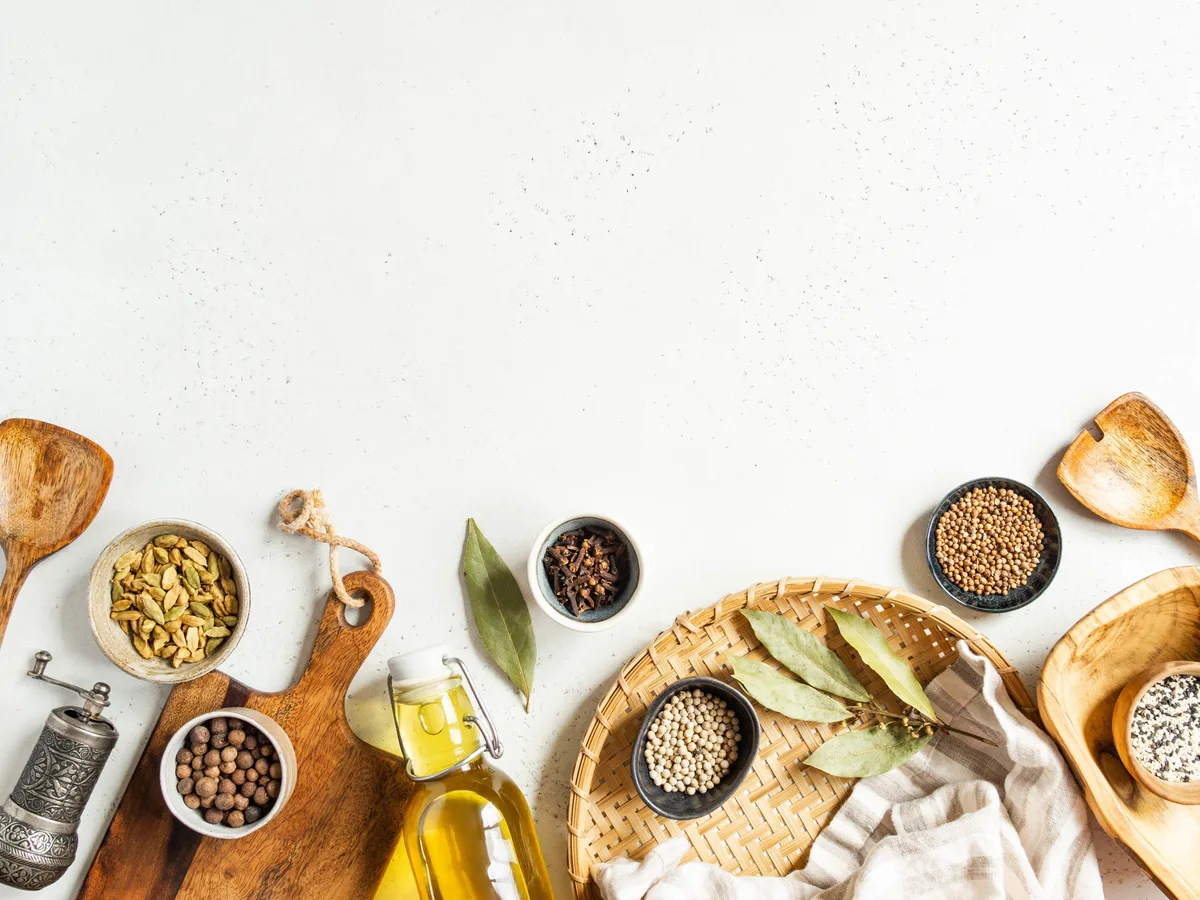
A working Levantine pantry comes down to roughly twelve staples: za'atar, sumac, a spice-blend program, sesame and tahini, halawa, olive oil, pomegranate molasses, tomato paste, olives, grains like freekeh and bulgur, black seed, and a shelf of dried herbs. Between them they cover almost everything a Levantine, Syrian or Lebanese menu or grocery aisle actually leans on day to day.
This list matters more in Toronto than the ingredient name alone suggests — Statistics Canada's 2021 Census counted 163,405 people in the Toronto CMA who can converse in Arabic (2021 Census Profile, Toronto CMA, www12.statcan.gc.ca), a customer and staff base that recognizes these staples on sight and notices when they're missing or wrong. Below is each one, what it's for, and where it sits in our catalogue — including an honest note on the couple we don't carry yet and would source through our supplier houses instead.
The 12 staples, at a glance
| Staple | What it's for | Where to source it |
|---|---|---|
| Za'atar | Manakish, marinades, roast vegetables | Green Jordanian Thyme and red thyme blend — za'atar category |
| Sumac | Souring agent, fattoush, kebab finish | AbdulRahim Mills Sumac |
| Spice blends | Shawarma, kabsa, mixed seasoning | Spices category — 53 lines |
| Sesame | Tahini, halawa, breadstick topping | Raw, hulled, golden and roasted — see our sesame guide |
| Tahini paste | Hummus, sauces, baking | Sourced on request through our supplier houses |
| Halawa | Dessert counter, gift retail | Srour Halawa with Pistachio |
| Olive oil | Cooking, dressing, finishing | Lio Premium Virgin Olive Oil |
| Pomegranate molasses | Muhammara, dressings, glazes | Zer Pomegranate Sauce |
| Tomato paste | Sauces, stews, shawarma marinades | Lio (glass) and Zer (tins) |
| Olives | Table olives, mezze, retail deli | Olives & pickles category |
| Freekeh & bulgur | Pilafs, tabbouleh, kibbeh | Sourced on request through our supplier houses |
| Black seed | Bread topping, spice blends | AbdulRahim Mills Black Seed — see our black seed guide |
| Dried herbs | Zhourat tea, savoury cooking | Herbs & teas category |
Four staples worth stocking first
If you're building a Levantine program from nothing, start with za'atar, olive oil, halawa or tahini, and pomegranate molasses — the four that touch the widest range of menu items and shelf facings. Za'atar earns its place through sheer versatility: UNESCO's December 2023 inscription of "Al-Man'ouché" as an element of Lebanon's intangible cultural heritage describes the classic flatbread topped with thyme, sumac, toasted sesame, salt and olive oil — precisely the za'atar-and-oil combination behind manakish (ich.unesco.org, Al-Man'ouché listing).
Olive oil is the fat almost everything else in this list touches — cooking, dressing, finishing a plate of hummus or a pan of manakish before it goes in the oven. Halawa (and tahini alongside it) covers dessert counters and gift retail at once; pomegranate molasses does the same job for sauces and dressings, souring and sweetening in one bottle rather than two.
What we source on request, honestly
Two staples on this list aren't in our current catalogue as standalone products: tahini paste itself, and the grain pantry — freekeh and bulgur. We'd rather say that plainly than stretch a product listing to cover something we don't stock. Both are common lines across our supplier network in Jordan, Türkiye and Syria, and we can source them to a written quotation the same way we do everything else — get in touch through the product catalogue and ask.
What we do carry adjacent to tahini is the sesame it's made from — raw, hulled, golden and roasted — plus a finished halawa pressed from tahini, and sesame-topped breadsticks. If your program needs the paste specifically rather than the seed, tell us in your inquiry and we'll quote it through our sourcing network rather than leave the gap unaddressed.
Rounding out the pantry as your menu or shelf grows
Sumac, black seed, dried herbs and a spice-blend program are the staples most operators add once the first four are running well — they're lower-volume but they're what separates a generic "Mediterranean" shelf from one that reads as genuinely Levantine to the customers who know the difference. Tomato paste and olives round the list out for anyone running a full kitchen rather than a counter program: tomato paste comes in both glass and tin depending how your kitchen prefers to store and portion it, and olives cover everything from a mezze plate to a retail deli case.
One inquiry can cover the whole list. Mixed inquiries — spices, oils, sweets and pantry lines together — quote better and consolidate into a single delivery, which is worth knowing before you start placing separate small orders line by line.
How this pantry differs from a generic "Mediterranean" shelf
A lot of what's labelled "Mediterranean" in mainstream grocery is really a handful of Italian and Greek staples with a Levantine name borrowed for a jar of za'atar or a tub of hummus. The pantry above is different because every line traces to a named house — a mill in Amman, a halawa press with roots in Damascus, an olive oil bottled in Latakia — rather than a private-label blend from an unnamed contract packer. That distinction matters most to the customers who grew up with these products, and it's increasingly what mainstream shoppers are looking for too as they get more familiar with the cuisine.
It's also why this list is worth treating as a program rather than a one-time stocking exercise. Tastes and reorder patterns shift with the seasons — heavier on olive oil and tomato paste through the colder months, heavier on halawa, dates and sweets around Ramadan and Eid — and a supplier who can quote the whole pantry in one inquiry makes that seasonal adjustment far simpler than juggling several single-category vendors.
Related questions
What are the most essential Levantine pantry staples for a new kitchen?
Za'atar, olive oil, halawa or tahini, and pomegranate molasses cover the widest range of dishes for the least shelf space. Sumac and a spice-blend program are the natural next additions once those four are running.
Do you stock tahini paste and grains like freekeh and bulgur?
Not as standalone products in our current catalogue. Both are common lines across our supplier network, and we can source them to a written quotation on request — ask through the product catalogue and we'll quote it honestly rather than substitute something else.
What's the difference between a spice blend and a single spice in this list?
A single spice like sumac or black seed is one ingredient; a blend like a shawarma or kabsa seasoning combines several, mixed and ground in-house by the producer. Our spices category carries both, at 53 lines.