For Grocers & Retailers
How to open a Middle Eastern grocery store in the GTA
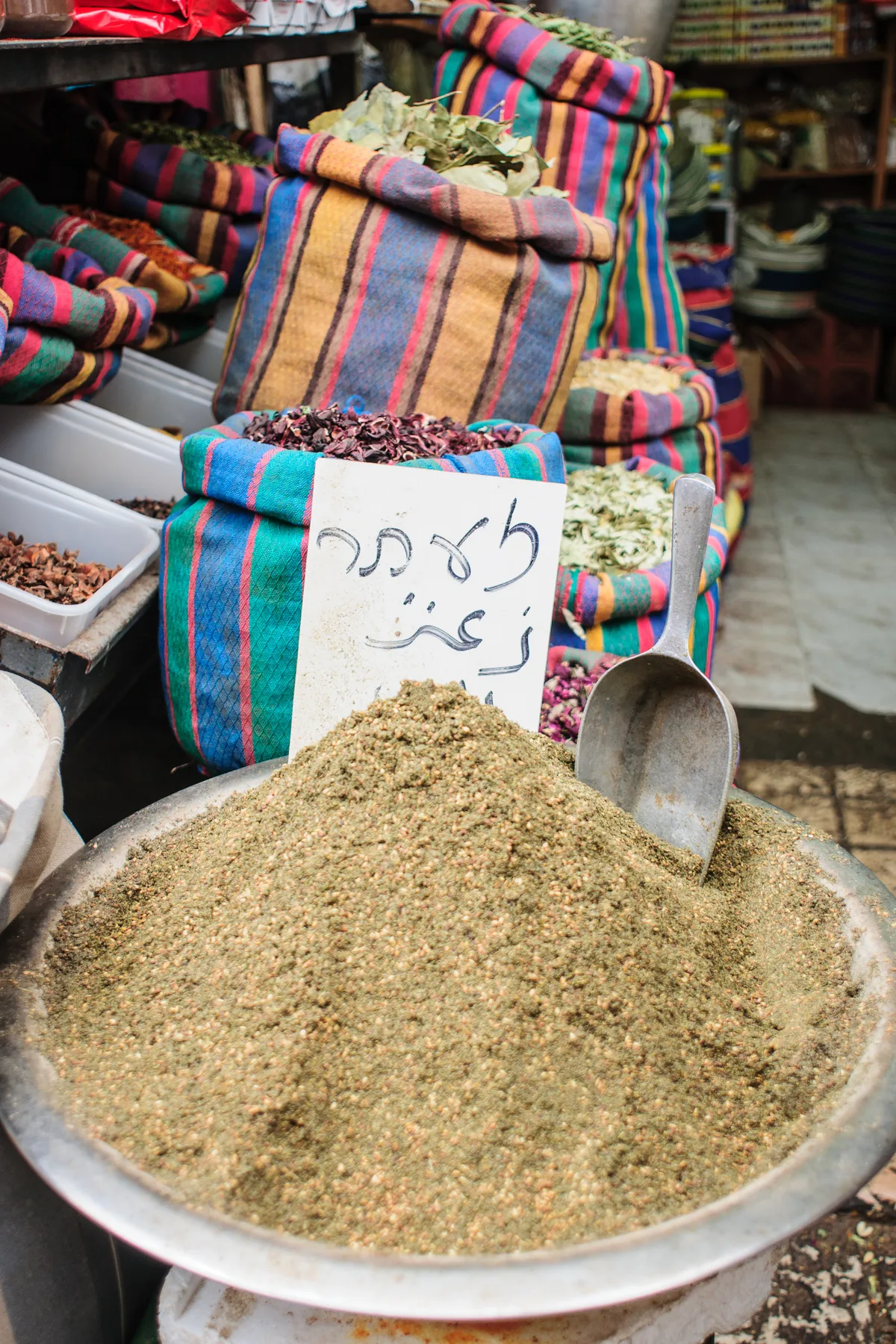
Opening a Middle Eastern grocery store comes down to four decisions made roughly in order: confirming there's a real customer base where you're looking, picking a location with the right foot traffic for a destination grocery trip, setting an opening category mix, and lining up a distributor before you sign a lease, not after. The GTA's Arabic-speaking and wider Middle Eastern population is large enough to support this format in several corridors already, but the shelf still has to earn every customer on authenticity — the market opportunity doesn't do the work for you.
This guide covers the store-opening decisions in sequence. For the category-by-category shelf plan and how to judge a distributor once you've made those decisions, our stocking guide for a Middle Eastern grocery is the deeper reference this page builds toward.
Is there a market where you're looking?
The 2021 Census counted 163,405 people in the Toronto CMA who can hold a conversation in Arabic, with 97,690 reporting it as their mother tongue (Statistics Canada, 2021 Census). Mississauga alone counts Arabic as its second most common non-official mother tongue, at 33,265 speakers, and the City of Toronto recorded 32,985 Arabic mother-tongue speakers — up 10.6% from 2016 (toronto.ca, 2021 Census Backgrounder: Language).
That language count understates the real addressable customer base. Toronto CMA is home to an estimated 626,010 Muslims, roughly 10.1% of the population, with Mississauga at approximately 16.9% — and Levantine, Turkish and North African food finds customers well beyond any one language or faith group. Reported ethnic origins in the Toronto CMA include 35,265 Egyptian, 28,490 Turkish, 25,315 Lebanese, 23,330 Iraqi and 19,370 Syrian responses (StatCan Census figures; note these are response counts, since more than one origin can be reported per person).
Choosing a location
A Middle Eastern grocery is usually a destination trip rather than a convenience stop, which puts a premium on visibility, parking or transit access, and proximity to the community institutions — mosques, churches, cultural centres — that already serve these communities. Look, too, at where the gap actually is: a corridor already well served by an established grocer needs a real point of differentiation, while a growing residential area with no dedicated store nearby is the more straightforward opportunity.
Trading hours are worth planning around actual shopping patterns rather than a generic retail schedule. Evening and weekend traffic tends to run heavier for this format than for a conventional grocery, and the run-up to Ramadan and Eid brings a genuine seasonal surge worth staffing and stocking for specifically — our Ramadan and Eid trade calendar for the GTA covers that seasonal rhythm in more depth.
Setting your opening category mix
At a high level, most successful openings build depth in one or two destination categories — spices and za'atar, and sweets, are the usual pair — with a single facing of everything else to round out the shelf. That's only the outline; the full category-by-category plan, including which formats to stock first and what to demand from a distributor before the first order, is laid out in detail in stocking a Middle Eastern grocery: a distributor guide, which is worth reading in full before you finalize a planogram.
What early customers judge you on
A new store earns trust or loses it in the first aisle. Customers in this category shop by producer and origin more than by brand recognition — whether the za'atar is a genuine Jordanian blend rather than a domestic imitation, whether the halawa names its maker — and that judgment happens fast, often on the first visit. Naming the producer clearly on shelf talkers or signage, rather than leaving customers to guess from packaging alone, is a small effort that pays off directly in repeat visits.
It's worth resisting the temptation to stock breadth over depth in the opening weeks. A shelf that's two or three facings deep in the categories that matter most reads as a serious, well-stocked store; a shelf that's one facing wide across everything reads as thin, even if the total SKU count is similar.
Lining up a distributor before you sign a lease
Quote-based wholesale ordering — the norm in this category — needs at least a business day for a first quotation, and a first order benefits from comparing more than one supplier before committing, which takes longer than a single afternoon. Start that conversation while you're still finalizing a location, not after the lease is signed and the opening date is fixed. See how inquiry ordering works for the mechanics, and GTA wholesale lead times for what to build into an opening-day timeline.
The checklist for evaluating a wholesale food supplier is worth working through before you commit to a primary distributor — the criteria that matter for an ongoing shelf are different from what matters for a single order, and it's easier to apply that checklist before opening day than to switch suppliers a few months in.
Related questions
How big is the customer base for a Middle Eastern grocery in the GTA?
By the 2021 Census, 163,405 people in the Toronto CMA can converse in Arabic, and Mississauga alone counts 33,265 Arabic mother-tongue speakers. That undercounts the real market, since Levantine, Turkish and North African food draws customers well beyond Arabic speakers specifically.
What should the opening order for a new store include?
Depth in one or two destination categories — usually spices and sweets — with a single facing across the rest. Our stocking guide covers the full category-by-category plan and what to demand from a distributor.
When should I contact a distributor before opening day?
Several weeks ahead, if possible. A first quotation typically returns within a business day, but comparing suppliers and planning delivery lead times both take longer than that, and are worth doing before a lease and opening date are locked in.
What do customers judge a new Middle Eastern grocery on first?
Authenticity, judged fast — whether spices, za'atar and sweets carry a real producer and origin rather than a generic import. Depth in a few key categories reads as more credible than breadth across everything on day one.