Sourcing & Wholesale
Palestinian products wholesale in Canada: the heritage behind our za'atar and spice range
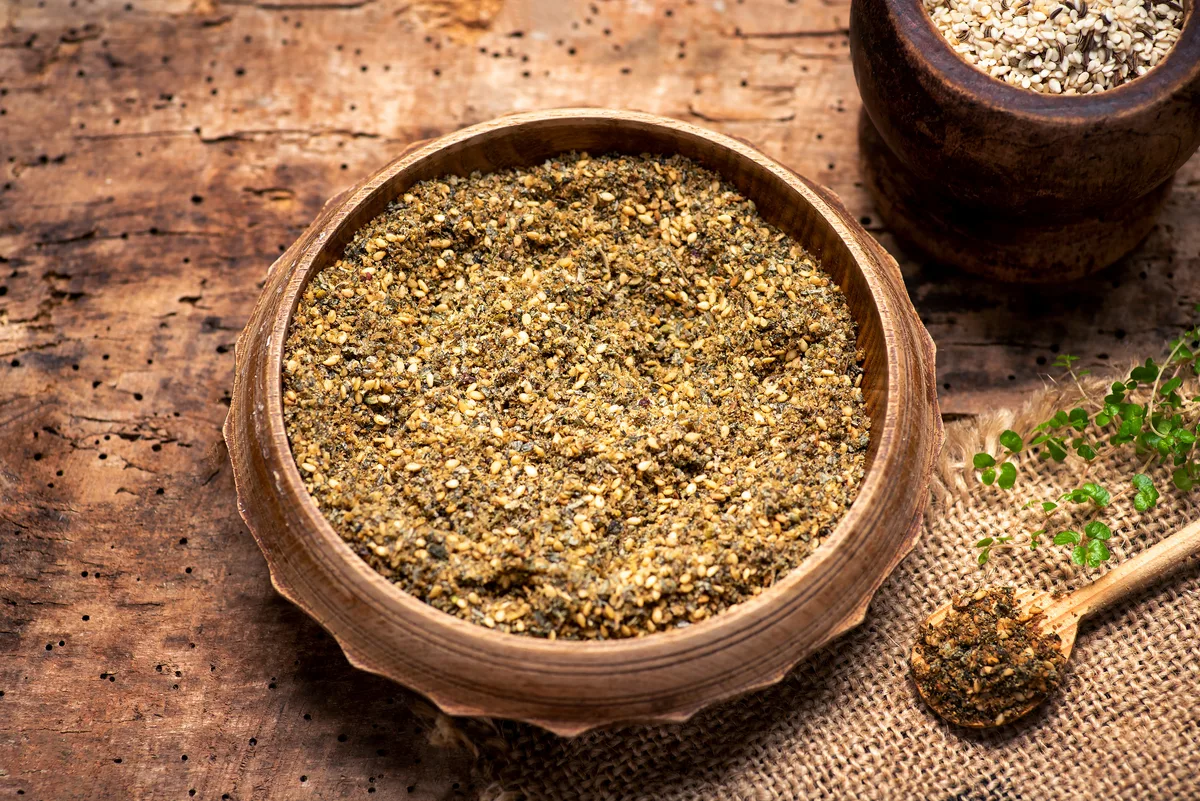
We'll be precise about what we mean by "Palestinian products," because precision is exactly what this category deserves: AbdulRahim Mills, our spice and za'atar house, is based in Amman, Jordan — not in the Palestinian territories — and was founded in 1951 by a family that had migrated from Jaffa. What it carries forward is Palestinian culinary heritage, most visibly in its za'atar tradition, milled and packed at origin in Jordan rather than grown or made in Palestine itself. We'd rather state that plainly than let a search term imply something we can't back up.
This guide covers the specific products that carry that heritage, the tradition behind them, and how to order them wholesale in Canada — quote-based, by the case, with the producer named honestly on every listing.
The heritage, stated honestly
AbdulRahim Mills opened as a small shop in downtown Amman in 1951, founded by the Abdulrahim family after they left Jaffa. The company grew into a full spice and pantry producer, but its signature product has always been za'atar milled to Palestinian tradition — the thyme-sesame-sumac blend that anchors a Palestinian breakfast table. That's a real, documented company history, and it's the honest basis for calling this range Palestinian-heritage: a Palestinian family's recipe and craft, carried forward and milled in Jordan.
What we won't do is claim these products are grown or manufactured inside Palestine, or invent a supply chain that doesn't exist. The distinction matters to buyers who know the category, and stating it upfront is more useful to you than a vague heritage claim that falls apart under a second look.
This is also, we think, the more respectful way to tell the story. AbdulRahim Mills is one small part of a much larger pattern across the Levant, where Palestinian families displaced in 1948 rebuilt trades and businesses across Jordan, Lebanon, Syria and further afield, carrying recipes and crafts with them. Naming that history accurately — a Palestinian family, a Jordanian address, a tradition that survived the move — does more justice to it than either erasing the Palestinian origin or overstating a present-day link to the land itself.
The products that carry the tradition
Two products carry the Palestinian za'atar heritage most directly, backed by the wider spice rack that supports it in the kitchen.
| Product | Format | Role |
|---|---|---|
| Green Jordanian Thyme | Loose blend | The everyday za'atar table blend |
| Red Thyme (za'atar-style blend) | 500 g pack | The sumac-forward red-toned style |
| Sumac | Available in bulk | The souring spice central to the za'atar mix and fattoush |
| Spices category (53 SKUs) | Whole and ground | The wider Levantine pantry from the same house |
Why za'atar is the product to know here
Za'atar isn't a single spice — it's thyme, sumac, toasted sesame, salt and olive oil, and the blend and ratio vary by region and family. In December 2023, UNESCO inscribed al-man'ouché, Lebanon's emblematic flatbread practice on its Representative List of Intangible Cultural Heritage — the same za'atar-and-oil combination that anchors Palestinian, Jordanian and wider Levantine breakfast tradition, tied to the morning gathering it's served at. Green Jordanian Thyme is the everyday expression of that same family of blends, milled by a house that has carried the tradition since 1951.
For the fuller picture of what za'atar is, how regional styles differ, and how green and red styles compare, see what is za'atar? and za'atar by region: Palestinian, Jordanian, Syrian, Lebanese — both go deeper on the product than this origin-focused page does.
The Palestinian community in the GTA
The demand behind this category is real and documented: the 2021 Census recorded 15,330 people in the Toronto CMA who reported Palestinian origin (Statistics Canada, 2021 Census) — a response count, since the census allows more than one reported origin per person, so the true reach of Palestinian heritage across the GTA's kitchens and shelves runs wider than that figure alone. Arab and Levantine communities of the GTA: a food map sets that number alongside the other Levantine and Arab communities the census counted, with the culinary traditions each carries.
Ordering wholesale in Canada
Grocers, restaurants and specialty retailers order these products the same way as the rest of our catalogue: browse the spices category, add quantities to an inquiry, and receive one written quotation, typically within a business day. There are no list prices published anywhere — case pricing depends on quantities and delivery, so it's confirmed on the quotation rather than fixed in advance.
We deliver across the GTA and quote shelf-stable goods for buyers elsewhere in Canada. For the wider context of how this category is bought and by whom, see Levantine food supplier in Canada: who to buy from.
Buyers building a wider Palestinian or Levantine pantry section often ask about products beyond za'atar and sumac — olive oil, olives, dates and maftoul among them. Not all of those are in our visible catalogue today; where they aren't, say so in your inquiry and we'll tell you plainly whether it's something our supplier houses can source on request rather than leaving the question unanswered.
Related questions
Are these products made in Palestine?
No. AbdulRahim Mills is based in Amman, Jordan, founded in 1951 by a family that migrated from Jaffa. The products carry Palestinian culinary heritage — most visibly in the za'atar tradition — but are milled and packed in Jordan, not in the Palestinian territories.
What makes AbdulRahim Mills' za'atar specifically Palestinian in style?
The family recipe and milling tradition trace back to the founders' Jaffa origins, carried forward through the company's history in Amman. Za'atar itself is a broader Levantine family of blends; the Palestinian style is one distinct regional expression within it, covered in more depth in our regional za'atar guide.
Is there a minimum order for this range?
Minimums vary by product, with the case as the working unit. State the quantities you want in your inquiry and the quotation reflects them directly — asking commits you to nothing.