Product Guides
What is za'atar? The complete guide to the Levant's signature blend
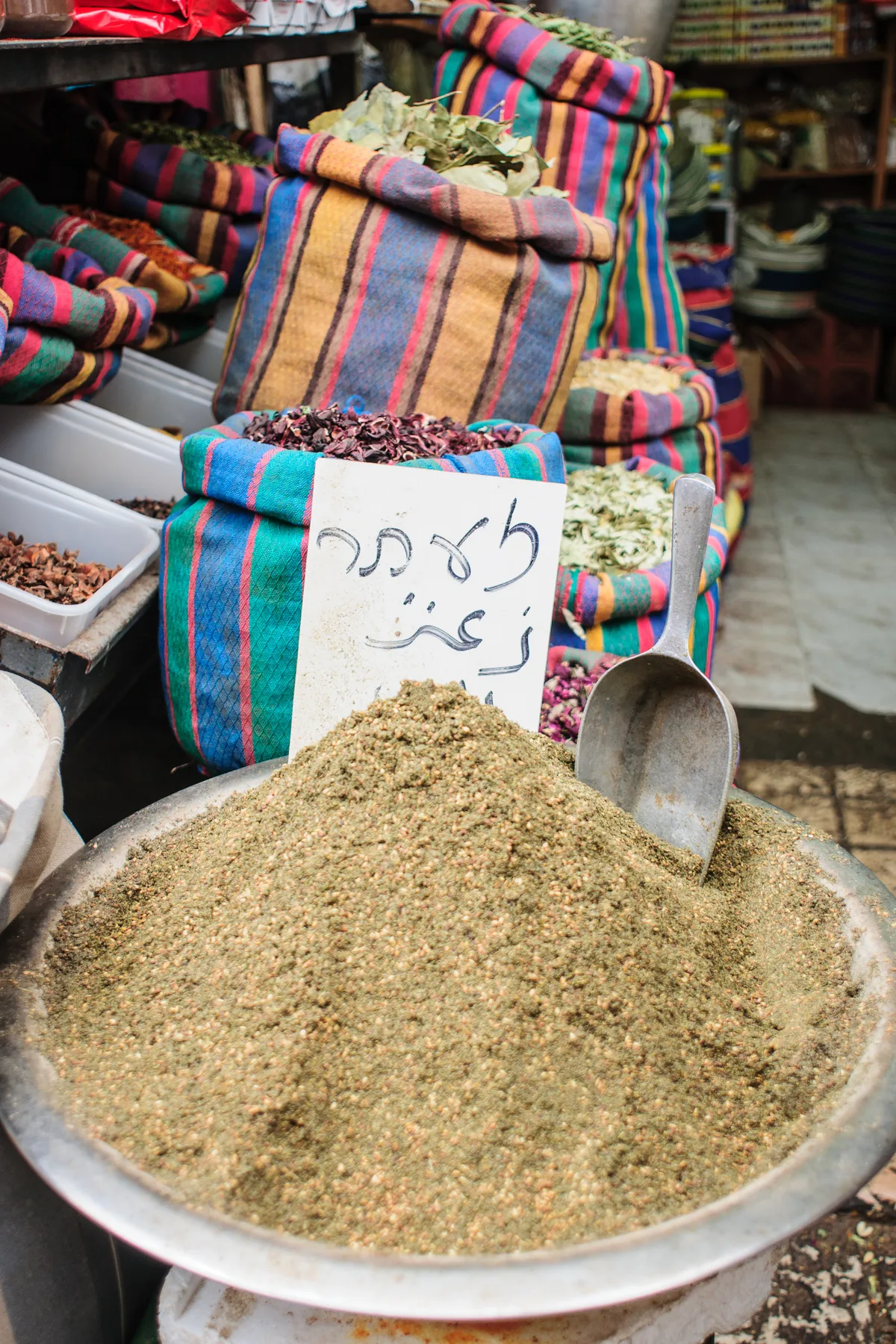
Za'atar is two things at once: a wild, thyme-like herb native to the hills of the Levant, and — far more often, on a shelf or a menu — a spice blend built from that herb, dried sumac, toasted sesame and salt. When a recipe, a menu or a product label says "za'atar" without qualifying it, it almost always means the finished blend rather than the raw herb on its own.
This guide covers what's actually in a proper blend, the cultural tradition UNESCO recognized in 2023, how to judge quality before you buy, how it holds up in storage, and where it earns its place on a menu well beyond the classic flatbread.
Za'atar the herb vs. za'atar the blend
The herb itself is a wild, aromatic plant in the thyme family — related species across the region go by local names, and it grows across the hillsides of Palestine, Jordan, Lebanon and Syria. Foraged or cultivated, the raw herb is pungent and grassy on its own, closer to a strong wild oregano than to the supermarket thyme most Canadian kitchens know.
What gets sold, stocked and eaten as "za'atar" almost everywhere, though, is the blend: the dried herb ground and mixed with sumac, toasted sesame and salt. The herb supplies the base note; everything else in the mix is there to round it out.
| Za'atar the herb | Za'atar the blend | |
|---|---|---|
| What it is | A single wild aromatic plant, thyme family | A finished mix built on that herb |
| Other ingredients | None — it's just the plant | Sumac, toasted sesame, salt |
| Where you'll meet it | Rarely sold on its own outside the region | What ships, sells and appears on menus |
What's in a proper za'atar blend
Four elements do the work: the herb itself for the base aroma, dried sumac for sourness and colour, toasted sesame for richness and a little crunch, and salt to bring it together. Olive oil is usually added at the point of use — brushed onto manakish dough, stirred into a labneh bowl — rather than blended dry into the mix, so a bag of za'atar keeps far longer than a jar of prepared paste.
The exact proportions are the miller's signature, which is why two bags labelled identically can taste completely different. We stock two working styles milled by AbdulRahim Mills in Jordan — a herb-forward green and a sumac-forward red — covered in full in green vs. red za'atar. The balance also shifts by country and household, which our guide to za'atar by region covers without pretending there's one fixed recipe.
The UNESCO recognition behind the tradition
In December 2023, UNESCO inscribed al-man'ouché — "an emblematic culinary practice in Lebanon" — on its Representative List of Intangible Cultural Heritage: the flatbread topped with thyme, sumac, toasted sesame, salt and olive oil, tied to the morning sobhiyé ritual of sharing it (UNESCO, 2023). That topping is, ingredient for ingredient, za'atar.
For a buyer, the recognition isn't trivia — it's a reminder of what a blend is actually competing against. A za'atar milled from imported components in a generic plant is a different product from one milled at source by a named house, and customers with any connection to the tradition can usually tell which is which.
How to judge za'atar quality before you buy
- Aroma first. The bag should smell of thyme and toasted sesame the moment it opens; a flat smell means old stock.
- Colour that matches the style. Vivid green for herb-forward blends, deep brick-red for sumac-forward ones — dull khaki suggests age or padding.
- Read the ingredient list for fillers. Wheat, excess salt or citric acid stretching the blend is the classic cost-cutting move.
- Sesame condition. Seeds should look whole and toasted, not dusty or rancid-smelling.
- Provenance in writing. Who milled it, where, and when — a serious supplier answers without hesitation.
Storage and shelf life
Za'atar doesn't spoil the way fresh food does — it fades. Kept sealed, cool and away from light, a blend holds its aroma and colour for months; the working test is smell and colour rather than a fixed date. Full detail, including commercial-kitchen storage habits, is in does za'atar go bad and how to store za'atar in a commercial kitchen.
The practical habit: keep the master pack sealed and decant a small working container for the line or the sample station, rotating first-in, first-out. Za'atar's real enemies are steam, sunlight and time spent open — none of which cost anything to avoid.
Za'atar on the menu, beyond manakish
The reference use is manakish: the blend loosened with roughly equal parts olive oil and spread generously over flatbread dough before baking. But that's the floor, not the ceiling — za'atar finishes roast chicken and vegetables, seasons fries and popcorn for a savoury twist, lifts a labneh bowl or a hummus plate, and works stirred into a yogurt-based dip or an aioli. Za'atar on the menu runs through the full list for a working kitchen.
Related questions
Is za'atar spicy?
No. Za'atar is savoury, herbal and sour from the sumac, with no chili heat unless a specific maker adds it separately — none of our stocked blends do.
Can I substitute dried thyme and oregano for za'atar?
In a pinch, but you lose the sumac's sourness and the toasted sesame's richness and crunch — the parts that make za'atar taste like za'atar rather than a herb rub.
Does za'atar go bad?
It fades rather than spoils. Sealed, cool and dark, a blend holds its aroma for months; judge it by smell and colour and rotate stock first-in, first-out.
What's the right za'atar-to-oil ratio for manakish?
Roughly equal parts blend and olive oil, spread generously — enough that the topping stays moist through baking rather than drying into dust. Adjust to house taste from there.