Sourcing & Wholesale
Syrian products wholesale in Canada: three houses, three chapters of one tradition
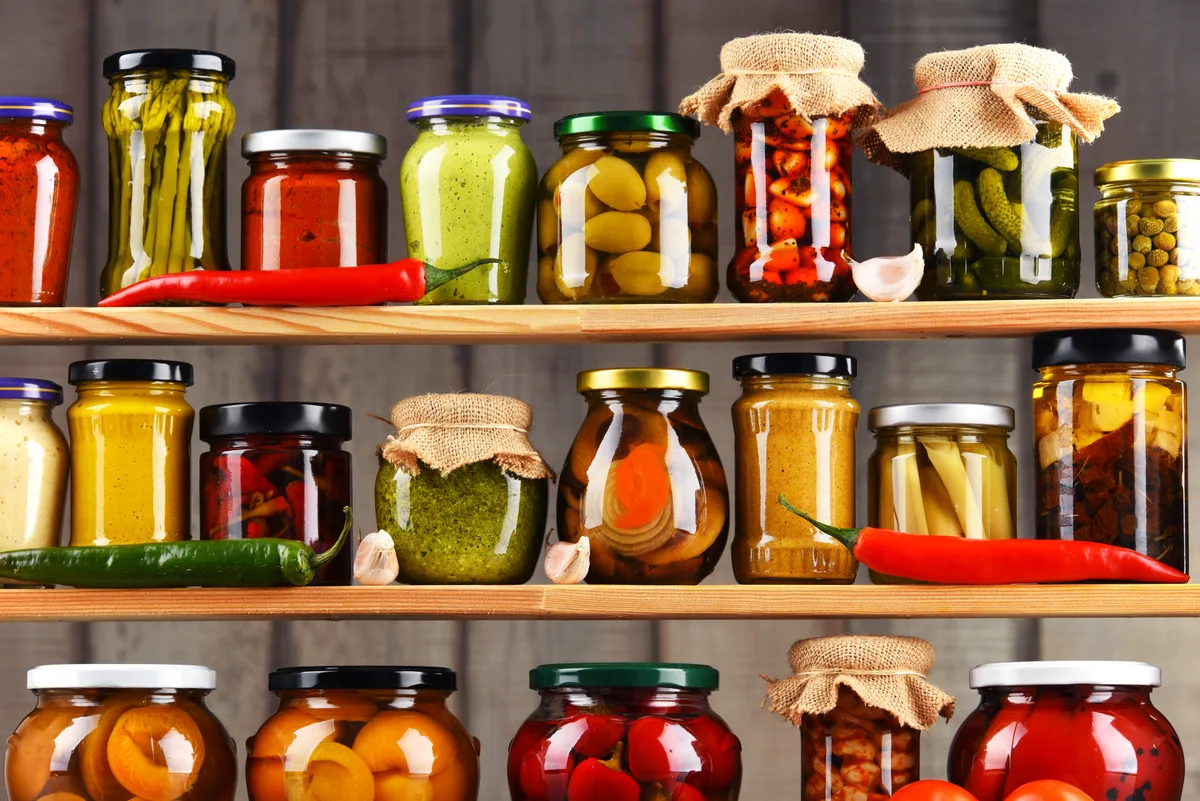
Our Syrian-tradition catalogue comes from three houses, and their stories aren't the same, which is worth saying plainly rather than flattening into one "Syrian products" claim. Lio Food still produces from Latakia on Syria's coast today. Ibrahim Srour Est. carries a Damascus halawa tradition dating to 1936, but the family relocated and now produces from Amman, Jordan, after the Syrian war. Nader Barakat & Sons carries the Aleppo soap craft, and now manufactures from Gaziantep, Türkiye. Three houses, one Syrian culinary lineage, and three different present-day locations — we'd rather name each precisely than blur them together.
This guide covers what each house actually stocks, why the geography looks the way it does, and how to order Syrian-tradition products wholesale in Canada.
Three houses, honestly located
The clearest way to see the picture is side by side — where each house is today, and what tradition it carries forward.
| House | Producing today from | Syrian tradition carried |
|---|---|---|
| Lio Food | Latakia, Syria | Coastal Syrian pantry — olive oil, olives, jarred vegetables, cardamom coffee |
| Ibrahim Srour Est. | Amman, Jordan (relocated) | Damascus halawa and tahini tradition, family recipe from 1936 |
| Nader Barakat & Sons | Gaziantep, Türkiye (relocated) | Aleppo laurel (ghar) soap craft |
Lio Food: the line still made in Syria
Lio Food is the one house in our catalogue whose products are made in Syria today, from Latakia on the Mediterranean coast. The range covers the working Syrian coastal pantry: premium virgin olive oil, Green Olives Salkini, tomato paste, crushed red hot pepper, capers, artichoke, whole desert truffles, and ground cardamom coffee in three calibrations. It's a genuinely deep single-country range, and every jar names Latakia as the source.
The truffles in particular are worth a second look for a buyer building a Syrian shelf or menu: desert truffles (kamah) are a long-standing Levantine delicacy that most Canadian buyers simply haven't encountered, packed in glass rather than fresh or frozen so they suit an import catalogue honestly. Capers & desert truffles: Levantine fine foods covers how they're used in the kitchen.
Srour and Barakat: the tradition, carried from exile
Ibrahim Al-Srour worked in halva and tahini production in Syria from 1936; after the Syrian war began in 2011, the family relocated and registered the business in Amman, Jordan, starting production there in 2012. What reaches our catalogue as halawa with pistachio is a Damascus family recipe, pressed today in Jordan rather than Syria — the tradition survived the move even where the address didn't.
Nader Barakat & Sons carries a parallel story. The family's Aleppo soap craft — olive oil and laurel oil cured over months, cut and hand-stamped in the traditional style — is now made from Gaziantep, Türkiye, under the same family name. Our Aleppo soap category carries 23 of their laurel bars. In 2024, UNESCO inscribed the craftsmanship of Aleppo Ghar soap on its Representative List of Intangible Cultural Heritage, describing a tradition worked for roughly 3,000 years — the craft the Barakat family continues, even from a new address.
Both relocations tell the same underlying story from two angles: a craft or recipe can survive displacement intact even when the workshop can't stay in place. For a Syrian restaurant or retailer building a menu or shelf around this pantry specifically, the Syrian restaurant pantry: Damascus and Aleppo staples goes further into how the Damascus sweets tradition and Aleppo's heat-and-soap traditions each show up on a working menu.
The Syrian community in the GTA
The 2021 Census recorded 19,370 people in the Toronto CMA reporting Syrian origin (Statistics Canada, 2021 Census). Canada resettled 44,620 Syrian refugees nationally between November 2015 and December 2016 alone (IRCC, #WelcomeRefugees key figures), a figure that grew to more than 73,000 nationally by 2021 (CBC News). Those are national totals rather than a verified GTA-only figure, but a substantial share settled here, and it's part of why Syrian grocers, bakeries and restaurants are as established across the GTA as they are. Arab and Levantine communities of the GTA: a food map sets that history in the wider census context, and the Syrian restaurant pantry covers how a kitchen sources this same range for the menu specifically.
Ordering Syrian-tradition products in Canada
All three houses' products sit on the same catalogue, quoted the same way: browse the range, add quantities to an inquiry list, and receive one written quotation, typically within a business day. Nothing is committed by asking, and mixed inquiries across houses — soap, halawa and Lio's jarred goods in one order — quote and deliver more efficiently than separate ones. Delivery covers the whole GTA, and shelf-stable lines are quoted for buyers elsewhere in Canada; see how inquiry ordering works.
First orders don't need to cover all three houses at once. A grocer testing the category might start with Lio's jarred pantry, a gift retailer with Barakat's soap, and a café with Srour's halawa — each is a reasonable standalone inquiry, and any of them can be expanded once you know what sells.
Related questions
Are all your Syrian-tradition products made inside Syria today?
No — only Lio Food currently produces from Syria, out of Latakia. Ibrahim Srour Est. and Nader Barakat & Sons carry Damascus and Aleppo traditions respectively, but now manufacture from Jordan and Türkiye after relocating during the Syrian war.
What does Lio Food specifically stock?
Olive oil, green olives, tomato paste, crushed red pepper, capers, artichoke, whole desert truffles and cardamom coffee — a coastal Syrian pantry, all made in Latakia.
Is there a minimum order across these three houses?
Minimums vary by product, with the case as the working unit. State your quantities in one inquiry — even across all three houses — and one quotation covers everything.