Soap & Natural Care
Pumpkin seed oil wholesale in Canada: a retailer's sourcing guide
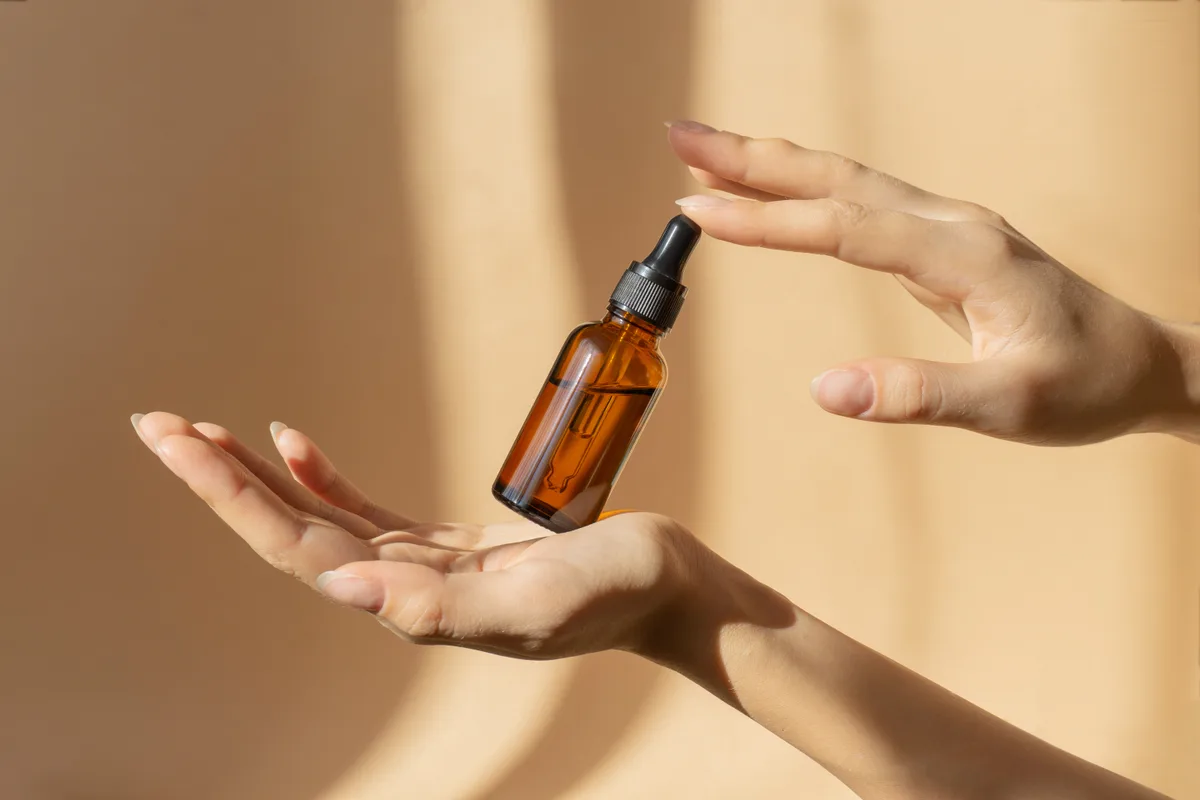
Pumpkin seed oil for the Canadian wholesale market is almost always a single-origin import — a dark green, nutty-scented oil cold-pressed elsewhere and shipped in as a finished bottle rather than produced domestically at scale. Levant Direct carries Pumpkin Seed Oil from El Captain (Cap Pharm) of Cairo, one bottle within a 73-strong natural oils range, quoted by the case like everything else in our catalogue.
This guide covers what the oil is, how it's traditionally used and merchandised, the case-format questions worth asking before you order, and the claims line a Canadian label needs to respect.
What pumpkin seed oil is, and where ours comes from
Pumpkin seed oil is pressed from hulled pumpkin seeds into a thick, deep-green oil with a distinctive roasted, nutty character. In our natural oils glossary, it's described as a traditional dressing-table and kitchen-adjacent oil — a fair summary of how it's actually used across the households that already know it, rather than one narrow purpose.
Ours ships from El Captain's Cairo range alongside 72 other natural and herbal oils, all bottled in the same glass format the company uses across the line. The producer is named on every listing, which matters for a specialty oil buyers often can't picture from the name alone — a wholesale buyer scrolling a generic "pumpkin seed oil" listing online has no way to check where it was pressed or by whom, while a named catalogue entry answers both questions before the first inquiry is sent.
That naming matters more for a specialty oil than a commodity one. Buyers who already know pumpkin seed oil from a Central European or Levantine household tend to ask about origin and pressing method before price, and a supplier who can answer both without hesitation earns the order faster than one who can only quote a case count.
How pumpkin seed oil is traditionally used
Households that stock pumpkin seed oil tend to use it two ways: as a finishing oil drizzled over cooked dishes for its roasted flavour, and as a traditional dressing-table oil worked through hair the same way other natural oils in the range are used. Neither use needs anything beyond the bottle itself — no dilution, no specialist equipment.
For retail, that dual role is a strength: a bottle can sit credibly in a specialty pantry section or a personal-care shelf, whichever fits your store's existing category structure better. A grocer with a strong pantry-oils section might face it forward next to other specialty cooking oils, while a personal-care retailer might place it beside the rest of the natural oils glossary entries instead — both placements are consistent with how the oil is actually used across different households.
Because the two uses don't compete for the same customer, some retailers stock two facings of the same bottle in different sections rather than picking one — a low-risk way to test which shelf moves it faster before settling on a permanent placement.
Ordering: format, case counts and confirming use
El Captain doesn't publish one fixed format across its whole natural-oils range. Some bottles, like the house's black seed oil, ship in confirmed sizes — 60 ml, 120 ml and 250 ml, cased accordingly. For pumpkin seed oil specifically, confirm the current bottle size and case count on your quotation rather than assuming it matches another SKU in the range.
It's also worth confirming intended use before you shelve it. Our catalogue lists this oil within the natural-oils range rather than a food-oils category, so if you plan to sell it specifically as a culinary finishing oil, raise labeling and grade on the same inquiry — see what wholesale case sizes actually mean for how to read a quotation's pack breakdown.
Merchandising pumpkin seed oil alongside the range
Pumpkin seed oil rarely anchors a shelf on its own — it works best paired with two or three other glossary entries that read as a curated specialty selection rather than one unfamiliar bottle standing alone. Fenugreek and watercress oils, covered in the same natural oils glossary, share the traditional dressing-table framing and a similar profile for shelf planning.
If you're building a broader carrier-oil section — for a soap-making, spa or salon account rather than a general grocery shelf — see soap making oils bulk for how the wider El Captain range breaks down by use case, and natural oils wholesale in Canada for the full 73-oil catalogue and how first orders are typically built.
Who buys pumpkin seed oil wholesale
Three buyer types ask for this oil most often: specialty grocers with a Central European or Levantine customer base who already recognize the bottle, health-food and bulk retailers rounding out a specialty-oils section, and personal-care shops adding it to a natural-oils shelf alongside more familiar names like argan and castor. None of the three needs the full 73-oil range to justify carrying this one bottle.
A reasonable first order pairs pumpkin seed oil with one or two other glossary entries rather than testing it alone — enough to give a new specialty-oils facing genuine breadth on day one, with the rest of the range available to draw on once sell-through shows what to reorder.
Related questions
Is your pumpkin seed oil food-grade or cosmetic?
It's listed within our natural-oils range, which spans both culinary and cosmetic traditional uses depending on the oil. If you plan to sell it specifically as a food ingredient, confirm labeling and grade directly on your inquiry before committing to that positioning.
Can I market pumpkin seed oil as supporting hair or scalp health?
No — keep marketing to what the oil is and how it's traditionally used, not to a health outcome. Claims tied to a specific condition can move a cosmetic product into Natural Health Product territory, which needs its own federal licence; see do natural oils need an NPN to sell in Canada.
What case size does pumpkin seed oil ship in?
Confirm the current bottle size and case count on your quotation — El Captain's range doesn't use one fixed format across every oil, so it's worth asking rather than assuming.