For Restaurants & Cafés
Greek restaurant supplies in Toronto: the eastern Mediterranean pantry Greek kitchens already share
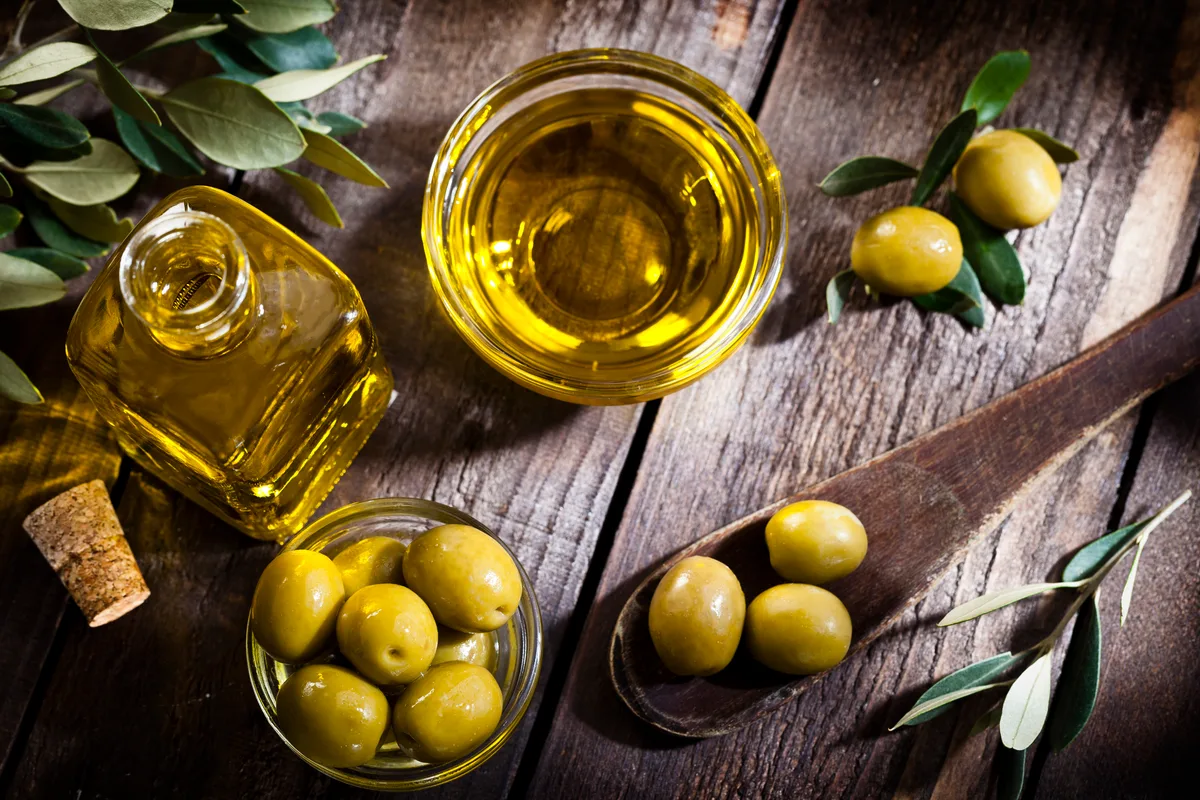
A Toronto Greek restaurant or taverna can source much of its core pantry from a Levantine and Anatolian supplier, because the two cuisines share the same eastern Mediterranean staples: cured olives, olive oil, dried herbs like rosemary and sage, and — on the bakery side — mahlab, the aromatic cherry-stone spice used in Greek tsoureki as widely as it is in Levantine ma'amoul.
The overlap isn't a coincidence of category, it's geography: Zer's olives come from Gaziantep, near enough to the Aegean supply chain that Greek kitchens already draw from, and Lio's olive oil is pressed on Syria's Latakia coast, the same eastern Mediterranean belt that produces the oils Greek kitchens have always used. A kitchen already comfortable buying Mediterranean isn't stretching to add a Levantine line.
This isn't a suggestion to replace a Greek specialty importer wholesale — feta, phyllo and a handful of other core Greek items sit outside our catalogue and belong with a supplier who specializes in them. What this page maps is the meaningful overlap: the categories where a Levantine and Anatolian source genuinely covers a Greek kitchen's needs, so a taverna or restaurant can consolidate part of its ordering rather than running five separate supplier relationships for closely related products.
Below: olives, olive oil, capers for the mezze board, the dried herb rack, and mahlab for the bakery side — mapped honestly against what's actually in the catalogue.
Olives, the shared staple
The olive range covers both the sliced-topping format and whole-olive formats for a table spread or mezze board: Zer Sliced Black Olives and Zer Sliced Green Olives for toppings, Lio Green Olives Salkini in a 1300 g glass jar for a table bowl, and Zer Light Black Olives in tins for back-of-house volume. The full range is at olives & pickles, and olives of the Levant and Anatolia covers how the varieties and curing methods differ.
None of this is Kalamata — that's a Greek-protected designation from a specific region, and it isn't what's in this catalogue. What's here are Anatolian and Levantine cures that sit comfortably alongside a Kalamata line on a mezze board or an antipasto plate, and for kitchens that use olives as an ingredient rather than a labelled single-origin feature — a Greek salad mix, a topping, a braise — the distinction matters less than the format and the price of consistency.
Olive oil for the table and the kitchen
Lio Premium Virgin Olive Oil, 250 ml glass, works both for table service and finishing in the kitchen. Levantine olive oil: coast, harvest and character covers what shapes flavour along this coast, and Levantine olive oil by the case for restaurants covers ordering it at foodservice volume.
The 250 ml glass format suits table service directly — a bottle set out for diners to pour, or refilled cruets behind the bar — while a kitchen running heavier volume through cooking and dressing should order enough cases to cover both uses from one line rather than sourcing a separate cooking-grade oil elsewhere.
Capers for the mezze board
Caper, in 300 g glass jars, rounds out a mezze or antipasto board alongside the olives — a genuinely shared ingredient across Greek, Levantine and wider Mediterranean cooking, used in salads, sauces and as a garnish on fish. It ships from the same supplier as several of the olive lines, so it's an easy addition to an existing order rather than a separate sourcing decision.
Dried herbs on the Greek line
The herb rack covers rosemary, sage leaves, marjoram and a mixed herbs blend — all staples on a Greek line as much as a Levantine one. We should be direct about one gap: oregano specifically isn't a standing catalogue item; marjoram, its closest botanical relative and a common stand-in, is. The dried herb rack covers the full range and how each herb is used.
Rosemary and sage both do double duty on a Greek menu — rosemary through roasted meats and potatoes, sage less commonly but present in some regional preparations — and stocking both from one supplier alongside the marjoram means a single herb-rack inquiry can cover most of a kitchen's dried-herb needs at once.
Mahlab for the bakery side
If your kitchen runs a bakery program — tsoureki at Easter, or any recipe calling for the ground cherry-stone spice known as mahlab or mahlepi — Mahlab and Ground Mahlab are both stocked. It's the same spice Levantine bakers use in ma'amoul and ka'ak, sold from the same supplier, and it's worth knowing it's available even if the rest of your pantry stays with a different source.
Whole mahlab keeps its aroma longer than pre-ground, so a bakery grinding to order ahead of a seasonal bake — Easter tsoureki being the obvious case — gets a noticeably fresher result than working from a jar that's been ground for months. The pre-ground option is there for kitchens that want the convenience over the marginal freshness gain.
Ordering across a shared pantry
A single mixed inquiry across olives, olive oil, capers, herbs and mahlab is the normal way to price this line, and it works whether you're filling out an existing Mediterranean pantry or building a new one. Pizzerias with a Mediterranean-leaning menu draw on much the same category set — pizzeria supplies in Toronto covers the olive and tomato paste side of that overlap specifically.
Related questions
Do you carry oregano specifically?
Not as a standing catalogue item. Marjoram, oregano's closest relative and a common kitchen substitute, is stocked; oregano itself can be raised as a request in your inquiry.
What olive format suits a Greek taverna table?
Whole olives in a larger glass jar, such as Lio Green Olives Salkini, work well for table bowls and mezze boards, while the sliced Zer lines suit toppings and prepared dishes.
Why would a Greek restaurant buy from a Levantine supplier?
Geography more than coincidence: our olive and olive oil houses sit in the same eastern Mediterranean production belt Greek kitchens already draw from, so the pantry overlap is genuine rather than a stretch.
Are these Kalamata olives?
No — Kalamata is a specific Greek-protected designation and isn't what we carry. Our olives are Anatolian and Levantine cures that work alongside a Kalamata line rather than replacing it.